Laser cutting machinery uses a strong laser beam to cut things very accurately. You can trust laser cutting machinery because it works fast and gives the same good results every time. The laser moves quickly, so it makes parts faster than old ways. You also get tight nesting, which means less material is wasted and you save money. Laser cutting machinery is very exact, with accuracy up to +/- 0.2mm, so you get the same results for each job. The laser does not touch the material, so it does not bend or damage your stuff. With a fiber laser cutting machine or fiber laser cutter, you get smooth edges and good cuts. Laser cutting machinery helps modern factories by making it easier and more dependable to make lots of products. How does laser cutting machinery work? This question helps you learn about how it works and why it is useful.
Table of Contents
Key Takeaways
- Laser cutting machinery uses a strong laser beam to cut things. It cuts quickly and very accurately. This makes it great for many materials.
- The technology helps reduce waste. This saves money and resources when making products.
- KRRASS sells laser cutting machines you can trust. Their machines have advanced features. They work well and come with customer support.
- There are different laser cutting machines, like CO2 and fiber lasers. Each type works best with certain materials and thicknesses. This makes the machines more useful.
- Safety is very important when using laser cutting machines. Always wear safety gear and follow the rules.
- You need to take care of the machine often. This keeps it working well and stops expensive repairs.
- Many industries use laser cutting, like car, airplane, and electronics companies. This shows how flexible and useful laser cutting is.
- Knowing how to balance accuracy and speed is important. It helps make the cutting process better for different projects.
What Is Laser Cutting Machinery
Definition and Key Features
A laser cutting machine uses a strong light beam to cut materials. This is called laser cutting. The laser makes a thin, powerful line that melts or turns the material into gas. You get smooth edges and exact shapes. The machine works fast and does not touch the material. This means there are no scratches or bends.
You can see how laser cutting machinery is different from other machines in the table below:
| Feature | Description |
|---|---|
| Precision | You get very exact cuts with almost no heat damage. |
| Speed | You cut things quickly, so you finish jobs faster. |
| Material Versatility | You can cut many metals like carbon steel, stainless steel, aluminum, brass, and copper. |
| Laser Source | You use a strong fiber laser, usually between 1 and 20 kW. |
| Production Capability | You can make lots of parts and run the machine all day. |
| Advanced Technologies | You use CNC systems, assist gas, and good optics for better results. |
A laser cutting machine uses new technology to give the same results every time. You use a CNC system to control the laser’s path. The machine uses assist gas to blow away melted bits, so the cut stays clean. You can change the power and speed for different materials. Most machines have water cooling to keep the laser cool.
Here are some common features in top laser cutting machines:
| Specification | Details |
|---|---|
| Power Output | You can pick from 10W to over 6000W, based on your needs. |
| Cutting Speed | You measure speed in meters per minute, which shows how fast you finish. |
| Beam Quality | You get better cuts if the beam quality is higher. |
| Cooling Method | You use water cooling to keep the machine working well. |
| Wavelength | You use a 1.064 micrometer wavelength, which works for many metals. |
| Work Area Size | You choose a work area that fits your material. |
| Material Compatibility | You can cut metals, plastics, and wood with the right settings. |
KRRASS Brand Overview
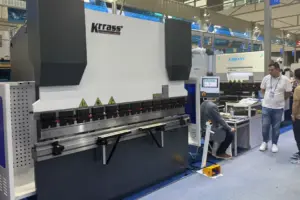
KRRASS is a trusted name in laser cutting machinery. The company started in China and now sells to people all over the world. KRRASS focuses on new ideas, exact cuts, and happy customers. You buy straight from the factory, so you save money and skip extra fees. KRRASS makes its own machines, so you get the newest features and good performance.
Tip: If you pick KRRASS, you get great help after you buy. The company gives fast support and worldwide service, so your work does not stop.
KRRASS has many power choices for laser cutting machines. You can find small machines for little jobs and big ones for large projects. The brand uses smart technology, like CNC controls and special cutting heads, to help you get the best results. You can count on KRRASS for good quality, new ideas, and good prices.
Here are some reasons to pick KRRASS for your laser cutting:
- You save money by buying from the factory.
- You get new designs and strong machines.
- You can pick from many power levels for different jobs.
- You get quick and helpful support after you buy.
Main Uses in Industry
Laser cutting machines are used in many industries. You use laser cutting to make car parts, airplane pieces, and electronics. The machine helps you make medical tools and heavy machines. You also use laser cutting for clothes, fashion, and signs.
Here are some common industries and how they use laser cutting:
- Automotive: You make car body parts and engine pieces.
- Electronics: You cut circuit boards and mark parts.
- Military: You make labels and parts for vehicles.
- Aerospace: You build strong parts and test pieces.
- Manufacturing: You make medical tools and equipment.
- Textiles: You cut fabric and make special patterns.
- Construction: You shape building parts and custom pieces.
- Signage: You make clear signs for stores.
- Shipbuilding: You cut parts for boats and ships.
You use laser cutting machines because they are fast, exact, and flexible. The process lets you work with many materials and shapes. You can switch jobs quickly and keep your work moving. The laser cutter helps you meet the needs of today’s industries.
Working Process of a Laser Cutting Machine

When you learn how a laser cutting machine works, you see how each part helps make fast and accurate cuts. You use computer numerical control to set the speed and laser cutting settings for every job. The process starts with the main parts of the laser cutting machine.
Main Components
Inside a cnc laser cutting machine, there are many important parts. Each part helps with the cutting job:
- Laser Source: This part makes the laser beam. You pick the power level for your material and how fast you want to cut. The laser source decides how deep and quick you can cut.
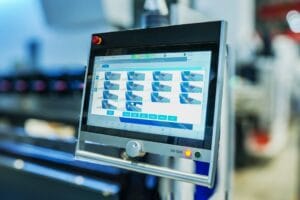
- CNC Controller: This system sets the laser’s path and speed. The cnc controller lets you change laser cutting settings like power, speed, and focus. You control every cut with this system.
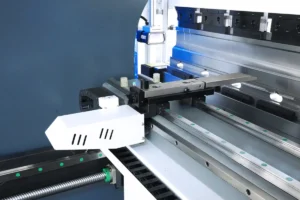
- Cutting Head: The cutting head holds the nozzle, focusing lens, and tracking system. The nozzle keeps the laser at the right distance from your workpiece. The focusing lens points the laser beam at the material. The tracking system changes the height for different thicknesses.
- Assist Gas System: This system blows away melted bits and keeps the cut clean. The air supply has filters and pipes to send gas like oxygen or nitrogen. The right gas helps you cut faster and get smooth edges.
Other main parts include servomotors for moving the machine, reducers for speed, an industrial chiller to cool the laser, a strong working bed, and a dust collector for smoke and dust.
Step-by-Step Cutting Process
You follow steps when you use a laser cutting machine. Each step helps you get good results.
Focusing the Laser
First, you focus the laser beam on the material. The lens and tracking system help the beam hit the right spot. You set laser cutting settings like focus and power. The laser makes a tiny, hot spot that melts or turns the material into gas.
Material Interaction
The laser works with the material very fast. You set the cutting speed and change settings for different metals or thicknesses. The laser melts, burns, or blows away the material. The assist gas system removes melted bits and keeps the cut smooth. You get clean edges with little heat damage.
Edge Formation
You watch the edge form as the laser moves along the path set by the cnc controller. The process makes smooth, exact edges. You can cut hard shapes and small details. The laser does not touch the material, so you do not get scratches or bends. You change laser cutting settings for each job.
Tip: You can change the cutting speed and other settings to get the best results for each material.
Here is a table that shows how laser cutting compares to old cutting methods for accuracy and repeatability:
| Factor | Precision Machining | Laser Cutting |
|---|---|---|
| Typical Tolerance | ±0.001 in. | ±0.0005 in. |
| Ultra-Fine Capability | ±0.0002 in. | ±0.0001 in. |
| Tool Wear Impact | Yes | None |
| Material Stress | Mechanical force | Minimal |
| Best For | 3D geometries | Micro-features, thin materials, high repeatability |
Laser cutting gives you better repeatability and finer tolerances. The process does not wear out tools, so you keep high accuracy for many jobs.
Safety Mechanisms
You stay safe with a laser cutting machine because it has many safety systems. Door-stop systems stop the laser if you open the doors. Automatic alarms watch for danger and warn you fast. Photoelectric sensors can turn off the laser in less than half a second if someone enters without permission. Gas leak detectors and temperature sensors work with alarms to protect you and the machine.
You also follow safety rules for your area. Here is a table that shows some important safety rules:
| Region | Standard/Regulation | Key Features |
|---|---|---|
| North America | ANSI Z136.1 | Safe use rules, signs, labels, employee training |
| Canada | CAN/CSA E60825-1 | Matches international rules |
| Europe | IEC 60825-1 | CE marking, labels, safety warnings |
| Asia | GB/T 7247, JIS C 6802 | National rules plus IEC rules, extra marking and labels |
You protect yourself and your team by following these rules and using the safety systems.
You see that the working process of a laser cutting machine uses smart technology, careful control, and strong safety features. You get fast cutting, high accuracy, and reliable results every time.
Types of Laser Cutting Machines

Laser cutting machines have different types. Each type works in its own way. Some machines are better for certain jobs. You pick a machine by seeing what it can do and what it can cut.
CO2 Laser Cutting Machines
CO2 laser cutting machines use a gas mix to make a strong laser beam. You use this machine for wood, acrylic, paper, rubber, and some plastics. It also works for nonferrous metals. This method is good for thick plates, like ones over 1/3 or 1/2 inch. You can choose the right process by looking at the power you need.
Here is a table that shows power levels and what you can cut:
| Power Range | Typical Applications |
|---|---|
| Low (20 – 100W) | Engraving, thin paper, fabric |
| Medium (100 – 400W) | Acrylic, wood, thin metals |
| High (400W+) | Thick metals, ceramics, industrial uses |
This cutting method gives you smooth edges. CO2 lasers use more power and need more care. They are good for jobs that need clean cuts on thick stuff.
Fiber Laser Cutting Machines
Fiber laser cutting machines use a solid-state laser. You get a strong beam that cuts steel, aluminum, brass, and copper. This method uses less energy than CO2 lasers. Fiber lasers work better for thin materials and give you very exact cuts. You use this machine for quick and accurate jobs.
Fiber lasers need less fixing. You spend less time on repairs and more time cutting. The process almost never needs maintenance, so you get more work done. Fiber lasers use about one-fourth the energy of CO2 lasers.
Here is a table that compares CO2 and fiber laser machines:
| Feature | CO2 Laser | Fiber Laser |
|---|---|---|
| Power Consumption | Higher | Lower |
| Up-front Cost | Lower | Higher |
| Cut Precision | Lower | Higher |
| Working Life | Shorter | Longer |
| Material Efficiency | Thicker materials | Thinner materials |
| Maintenance | More required | Minimal |
Fiber lasers are better for thin metals. You also save money on energy and repairs.
KRRASS RAS-3015-Smart 6000W
The KRRASS RAS-3015-Smart 6000W is a top fiber laser cutting machine. You use this powerful laser for steel, aluminum, titanium, brass, copper, and iron. The machine has a big work area, 3000mm by 1524mm. It comes with a Max China MFSC 6000W laser source, a BLT421 smart cutting head, and an FSCUT4000E control system.
Here is a table with the main features:
| Feature | Description |
|---|---|
| Model | RAS-3015-Smart 6000W |
| Laser Source | Max China MFSC 6000W |
| Laser Head | BLT421 |
| Control System | FSCUT4000E |
| Working Area | 3000mm x 1524mm |
| Application | Steel, aluminum, titanium, brass, copper, iron |
| Smart Cutting Head | Real-time monitoring, fast focusing |
| Servo Motor | High speed, precise control |
You get fast data and easy controls. The smart cutting head helps you watch the process and change settings quickly. You can trust this machine for fast and exact cuts in many jobs.
Tip: If you want a strong and smart fiber laser cutting machine, the KRRASS RAS-3015-Smart 6000W gives you new technology and great results.
Different laser cutting types let you pick the best one for your job. You choose by looking at your material, how thick it is, and the finish you want.
Other Types (YAG, etc.)
You can find other laser cutting machines besides CO2 and fiber lasers. One type is the YAG laser. YAG means “yttrium aluminum garnet.” This machine uses a crystal to make the laser beam. You use YAG lasers to cut metals that reflect light, like gold, silver, and copper. These machines work well for jobs that need strong laser power.
YAG lasers give you a powerful beam. You can cut shiny materials easily. The price for a YAG laser is usually lower than other machines. You see these lasers in jewelry, electronics, and medical device making. You get good results when you mark or engrave metal surfaces.
YAG lasers have some limits. These machines use more power than fiber or CO2 lasers. You need to do regular maintenance to keep them working well. The beam quality is not as good as fiber lasers, so edges may not be very smooth. You may need to clean or change parts often.
There are other types too, like diode lasers and excimer lasers. Diode lasers use special materials to make the beam. You use these for engraving, marking, or cutting thin things. Excimer lasers use gases like chlorine or fluorine. You see these in microelectronics and medical jobs. These machines can cut very thin layers with high accuracy.
You can compare the main laser cutting machines in this table:
| Laser Type | Advantages | Limitations |
|---|---|---|
| YAG | Strong beam, low price, good for shiny metals | Uses lots of power, needs regular care, lower beam quality |
| CO2 | Cuts thick plates well | Costs more to run |
| Fiber | Efficient, needs little care, very popular | N/A |
Note: Pick your laser cutting machine based on your material and job. YAG lasers are best for shiny metals and marking. Fiber lasers work best for thin metals and fast jobs. CO2 lasers are good for thick plates and non-metal things.
You may see YAG and other types in special industries. For example, excimer lasers help make microchips. Diode lasers help mark plastic parts. Each type has its own strengths. Match the machine to your project for the best results.
If you want a machine for daily metal cutting, fiber and CO2 lasers are the most flexible. YAG and other types are used for special jobs in factories. You can ask KRRASS experts for help if you need advice on picking the right machine for your business.
Laser Cutting Technology and Techniques
Fusion Cutting
Fusion cutting is a common way to cut metals with lasers. The laser melts the metal along the line you want to cut. You use a safe gas like nitrogen to blow away the melted metal. This keeps the edge neat and smooth. Fusion cutting works well for stainless steel and aluminum. It is good for jobs that need high accuracy. You get edges that are clean and have almost no rough spots. Many industries use fusion cutting because it gives exact results. You do not need much extra work after cutting.
Tip: Fusion cutting gives you smooth edges, so you can put parts together right away.
Flame Cutting
Flame cutting uses a laser and oxygen to cut thick metals. The laser heats up the metal. Oxygen makes a chemical reaction that adds more heat. This helps you cut carbon steel and other thick metals easily. Flame cutting is used for big jobs like building and ship making. It is fast and works well for thick plates. The edge may not be as smooth as fusion cutting. You might see some rough spots or leftover bits. You may need to clean up the edge after cutting.
Note: Flame cutting is best for cutting thick steel fast, but it is not as exact as fusion cutting.
Sublimation Cutting
Sublimation cutting is a special way to cut non-metal materials. The laser turns the solid material straight into gas. It does not melt first. You use sublimation cutting for wood, plastic, and cloth. This method lets you make detailed shapes and patterns. The laser does not heat up the area much. You get smooth edges and do not burn or bend the material. Sublimation cutting is great for making signs and decorations that need fine details.
Tip: Sublimation cutting helps you make detailed shapes and patterns, so it is good for creative projects.
Comparison Table
You can look at this table to see how these cutting methods are different:
| Technique | Process Description | Results and Applications |
|---|---|---|
| Fusion Cutting | Melts metal with a laser and blows away melted parts with safe gas. | Makes clean edges, good for metals, used in planes and medical tools. |
| Flame Cutting | Uses oxygen and laser to make heat and cut thick metals. | Works for carbon steel, edges are less smooth, used for big jobs. |
| Sublimation Cutting | Turns solid material into gas with a laser, good for non-metals. | Makes detailed designs, little heat damage, good for wood, plastic, and cloth. |
Laser cutting gives you many choices for different materials and jobs. You pick the method based on what you are cutting and how exact you need it. Fusion cutting is best for clean metal edges. Flame cutting works for thick steel. Sublimation cutting lets you make detailed designs in non-metals. If you know these ways, you can choose the best one for your project and get great results.
Precision vs. Speed
When you use a laser cutting machine, you often think about two important things: precision and speed. Precision means how exact your cuts are. Speed means how fast you finish your job. You want both, but sometimes you need to choose which one matters more for your project.
If you need very exact parts, you set your machine for high precision. You slow down the cutting speed and use a fine laser beam. This helps you get smooth edges and tight shapes. You use high precision for jobs like making medical tools, electronics, or airplane parts. These jobs need every piece to fit perfectly.
If you want to finish many parts quickly, you set your machine for high speed. You use more power and move the laser faster. This works well for simple shapes or big batches. You use high speed for jobs like making signs, cutting fabric, or building parts for cars. You finish more pieces in less time.
Tip: You can change your machine’s settings to get the right balance. If you want smoother edges, slow down the speed. If you want to finish faster, increase the power and speed.
Here is a table to help you see the difference:
| Setting | Precision Level | Speed Level | Best For |
|---|---|---|---|
| High Precision | Very exact | Slower | Medical, electronics, aerospace |
| High Speed | Less exact | Faster | Signs, textiles, automotive |
| Balanced | Good | Good | General manufacturing |
You can use a fiber laser cutting machine, like the ones from KRRASS, to adjust both precision and speed. You pick the right power level and focus for your material. You use the CNC controller to set the path and speed. You get the best results when you match your settings to your job.
Sometimes you need to test different settings. You cut a sample piece and check the edge. If the edge looks rough, you slow down the speed. If you need to finish faster, you try a higher power setting. You learn what works best for each material.
Note: You do not have to choose only precision or speed. You can find a balance that fits your needs. Modern machines let you change settings easily, so you get the results you want.
You see that precision and speed work together. You decide what matters most for your project. You use your machine’s features to get the best outcome every time.
Materials and Applications of Laser Cutting
Metals (Steel, Aluminum, Copper, etc.)
Laser cutting works on many metals. You can use it for carbon steel, stainless steel, aluminum, and copper. Each metal has its own thickness and accuracy needs. You get better results if you match the laser settings to the metal. The table below shows how thick each metal can be cut and how exact the cuts are:
| Material | Practical Cutting Range | Optimal Thickness | Precision Tolerance (±) |
|---|---|---|---|
| Carbon Steel | 0.8–30 mm | 1–20 mm | 0.05–0.15 mm |
| Stainless Steel | 0.5–25 mm | 1–15 mm | 0.07–0.18 mm |
| Aluminum | 0.5–20 mm | 1–12 mm | 0.10–0.25 mm |
| Copper | 0.3–10 mm | 0.5–5 mm | 0.15–0.30 mm |

Laser cutting works differently for each metal. Aluminum and copper are hard to cut with old CO2 lasers. Fiber lasers work better for these metals. These metals reflect light and get hot fast. You must control the heat to stop bending or color changes. Laser cutting works for thin and thick sheets. This makes it useful for many jobs.
Non-Metals (Plastics, Wood, Fabrics)
Laser cutting is not only for metals. You can use it on plastics, wood, and fabrics too. Each material acts in its own way with the laser. You need to change the settings to get good cuts and avoid damage. The table below shows some non-metals and problems you might have:
| Material | Challenges |
|---|---|
| Plastics | Can bend if cut wrong; needs careful cutting to keep the surface safe. |
| Wood | Different wood types change how you cut; you must be careful to stop splinters. |
| Fabrics | Cutting tricky shapes is hard; edges can fray if not done right. |
| Glass | Needs special machines; takes longer; can chip or crack. |
Laser cutting lets you make cool designs in plastics and wood. You can cut fancy shapes in fabric for clothes or art. You must watch the heat and speed to keep the material safe. If you set the machine right, you get smooth edges and less waste.
Industry Applications (Automotive, Aerospace, Electronics, Medical)
Many industries use laser cutting. It helps make car parts, airplane pieces, electronics, and medical tools. Here are some ways laser cutting is used:
- Automotive: You make dashboards, body panels, exhaust parts, and brake pieces.
- Aerospace: You build engine parts and airplane bodies with high accuracy.
- Electronics: You cut circuit boards and cases for electronic items.
- Medical Devices: You make surgery tools and devices that go inside the body.
Other industries use laser cutting too. You see it in furniture, heating and cooling systems, lights, and fashion. You can make custom signs, art panels, and decorations. Laser cutting lets you work with many materials and make things for lots of jobs.
Tip: Laser cutting helps you make many shapes and products fast and accurately. It is a good way to improve your factory work.
KRRASS Solutions for Industry
You need a laser cutting machine for many jobs. KRRASS gives you this flexibility. The machines can switch between metals and non-metals. You can cut steel, aluminum, titanium, brass, copper, and iron. You also work with plastics, wood, and fabrics. This helps you finish different projects without changing equipment.
KRRASS machines have smart features to help you. You get exact cuts for circuit boards and custom designs. The CNC controller lets you set the path and speed. You adjust power and focus for each material. The smart cutting head tracks the surface. It keeps the laser at the right distance. You save time and make fewer mistakes.
KRRASS supports many industries:
- Automotive: You cut aluminum and steel for car bodies and engine parts. The fiber laser gives smooth edges and tight shapes. You make dashboards, brackets, and exhaust pieces with high accuracy.
- Aerospace: You cut tough metals for airplane parts. KRRASS fiber lasers handle titanium and other strong materials. You get the precision needed for safety and performance.
- Electronics: You cut thin metal sheets for circuit boards and cases. The laser makes clean cuts with little heat. Parts do not warp. You create small, detailed pieces for electronic devices.
- Medical Devices: You make surgical tools and implants. The machine gives fine cuts and smooth surfaces. You meet strict standards for medical products.
KRRASS machines help you work faster and smarter. You finish jobs quickly and keep quality high. The RAS-3015-Smart 6000W model is powerful and reliable. You use it for big projects and small details. The advanced control system and smart cutting head let you change settings fast. You get the same good results every time.
Here is a table that shows how KRRASS fits different industries:
| Industry | Materials Used | Typical Products Made | KRRASS Advantage |
|---|---|---|---|
| Automotive | Aluminum, steel | Body panels, engine parts | High precision, fast switching |
| Aerospace | Titanium, aluminum | Aircraft components | Exact cuts, handles tough metals |
| Electronics | Thin steel, copper | Circuit boards, device cases | Clean edges, minimal heat |
| Medical | Stainless steel, titanium | Surgical tools, implants | Smooth surfaces, fine details |
Tip: You can trust KRRASS for factory direct sales and strong support after you buy. The machines help you grow your business and take on new jobs.
KRRASS gives you choices that matter. You get machines for many industries and materials. You improve your production and keep your customers happy.
Advantages and Disadvantages of Laser Cutting Machinery
Advantages (Precision, Speed, Versatility)
Laser cutting machinery has many good points. One big advantage is precision. You can make cuts that fit together very well. This means you do not need to fix parts much after cutting. The edges are smooth, so you save time and money. You do not have to do extra work to finish the pieces.
Laser cutting is fast. You finish jobs quicker than older ways. This helps you get more work done and meet deadlines. You can handle big orders without slowing down. The process uses little heat, so your materials do not bend or change shape. This is important for things that can be damaged by heat.
Laser cutting machinery is flexible. You can cut metals, plastics, and wood. You switch between materials easily. The machine works with different thicknesses and shapes. You do not need special tools for each job. This lets you do many projects and help different industries.
Here are the main advantages:
- You get very exact cuts.
- You have smooth edges and good quality.
- You work faster and get more done.
- You keep materials from bending because of low heat.
- You can cut many types of materials.
KRRASS machines are special because they mix speed, quality, and efficiency. You use smart CNC controls to set the path and speed. The cutting head keeps the laser focused for good results. You can trust KRRASS for strong performance every time.
Tip: If you want to make more products and get better cuts, KRRASS laser cutting machines give you the speed and precision you need.
Disadvantages (Cost, Maintenance, Material Limits)
Laser cutting machinery has some downsides too. The price to buy and set up the machine is high. Small businesses may find this hard. The machine uses a lot of power, so your bills can go up.
You need to do regular maintenance. You must change the laser tube and optics. Skilled workers are needed to run the machine. This makes your costs higher. The machine does not work well with very thick materials. Cutting thick or shiny metals can be hard and may hurt the equipment.
You might need other machines for thick metals. Plasma or water jet cutters work better for those jobs. Some materials make toxic fumes when cut, so you need good air flow.
Here is a table with the main disadvantages:
| Disadvantage | Description |
|---|---|
| Initial Investment Cost | High price can be tough for small businesses. |
| Power Consumption | Uses lots of energy, which can raise bills. |
| Maintenance and Repairs | Needs regular care and skilled workers, which costs more. |
| Material Limitations | Does not cut thick or shiny materials as well. |
Note: You can save money by picking KRRASS machines. They sell direct from the factory and give good support, so you get more for your money.
Laser cutting machinery gives you speed, precision, and quality. You should think about the costs and limits before you choose the best machine for your business.
Practical Considerations for Laser Cutting Machine Users
Choosing the Right Machine
You need to pick a laser cutting machine that fits your job. First, look at what materials you want to cut. Check the type, thickness, and size of each material. If you cut big sheets or lots of pieces, get a machine with a large format. This saves time when you change plates. The laser’s power is important. More power lets you cut thick materials faster and better. Trusted brands give you good results and strong support.
The cutting head helps make your cuts smooth. Features like automatic focusing and working with many materials make things easier. Good software helps you control the cnc system. It makes complex designs simpler to handle. Safety features like emergency stop buttons and covers keep you safe. You should also look at the supplier’s experience, how big their factory is, and if they help after you buy.
| Factor | Description |
|---|---|
| Clarify demands | Find out what material, thickness, size, and accuracy you need |
| Determine the format | Pick the right machine size for your material and batch jobs |
| Power and brand of laser source | Choose power for thickness and speed; pick trusted brands |
| Performance of cutting head | Look for automatic focusing and material compatibility |
| Software operability | Make sure software is easy to use and works well |
| Safety of the machine | Check for safety certificates and emergency features |
| Strength of suppliers | See if the supplier has experience and gives good support |
Tip: Always choose a machine that matches your work and safety needs.
Maintenance Tips
You keep your laser cutting machine working well by doing regular checks. Check coolant levels often and fill them up when needed. Clean or change coolant filters so nothing blocks the flow. Look at the cooling system for leaks. Check alignment to keep cuts accurate. If the laser beam or axes are not set right, cuts may look bad and parts wear out faster.
Follow this schedule for maintenance:
| Frequency | Maintenance Task |
|---|---|
| Daily | Clean the air filter |
| Weekly | Check machine logs for error codes |
| Monthly | Inspect chiller and water system |
| Monthly | Check the exhaust system |
| Monthly | Inspect electrical connections |
| Preventive | Schedule regular check-ups with a qualified technician |
| Preventive | Keep detailed records of all maintenance tasks |
- Get regular check-ups from a technician.
- Listen for strange sounds or shakes.
- Write down every maintenance task you do.
Note: Regular care helps stop breakdowns and keeps your cnc laser machine working great.
Cost Factors
You need to think about costs before you buy and use a laser cutting machine. The type of laser source, like CO2 or fiber, changes the price and what you can cut. Faster machines cost more but help you finish jobs quickly. This can lower your cost for each part. Extra features like automation and smart controls make the price higher but help you work faster.
Brand name matters. Famous brands may cost more, but they give better help and training. Training and support add to your first costs but help you work better later.
| Cost Factor | Description |
|---|---|
| Laser Source Type | Different types change cost and what you can cut |
| Cutting Speed | Faster machines cost more but help you work faster |
| Automation and Features | Extra features cost more but help you work better |
| Brand and Reputation | Trusted brands give quality and support, but cost more |
| Support and Training | Training and help cost more at first but help you work better later |
- How well the machine works changes your cost for each part.
- The type and thickness of material change energy use and speed.
- Hard designs and fast cutting change how long jobs take and cost.
- Skilled operators help you set up the machine and waste less.
- How often you do maintenance changes downtime and repair costs.
Tip: Think about both the price to buy and the cost to run your cnc laser cutting machine over time.
Safety Best Practices
You must keep safety as your top priority when you use a laser cutting machine. The laser beam is powerful and can cause harm if you do not follow the right steps. You protect yourself, your team, and your workspace by using smart safety habits every day.
Key Safety Tips for Laser Cutting Machines:
- Wear Proper Safety Gear:
You should always wear safety glasses that block laser light. Use gloves when you handle metal sheets or finished parts. Wear closed-toe shoes to protect your feet from falling objects. - Check Machine Guards and Covers:
Make sure all covers and doors are closed before you start the machine. These guards block the laser beam and keep you safe from flying debris. - Follow Lockout Procedures:
Turn off the machine and disconnect the power before you clean, adjust, or repair anything. You stop accidents by making sure the machine cannot start by mistake. - Keep the Area Clean:
Remove scrap pieces and dust from the workspace. A clean area helps you avoid slips, trips, and fire hazards. - Use Proper Ventilation:
Laser cutting can create fumes and smoke. You need a good exhaust system to remove these from the air. Open windows or use fans if your workspace does not have built-in ventilation. - Check Emergency Stops:
Test the emergency stop button before each shift. You must know where it is and how to use it quickly. - Read Warning Labels:
Pay attention to all warning signs and labels on the machine. These tell you about laser hazards, electrical risks, and moving parts. - Train Your Team:
Make sure everyone who uses the machine knows how to operate it safely. Hold regular safety meetings and review best practices.
Tip: You should never look directly at the laser beam. Even a quick glance can damage your eyes.
Common Safety Features in KRRASS Machines:
| Safety Feature | What It Does |
|---|---|
| Door Interlock | Stops the laser if you open the door |
| Emergency Stop Button | Shuts down the machine instantly |
| Smoke Extractor | Removes fumes and dust |
| Overheat Sensor | Turns off the laser if it gets too hot |
You keep your workspace safe by following these steps every time you use your laser cutting machine. Safety helps you work better and protects everyone around you. 🦺
Laser cutting machinery uses a focused laser beam to cut things. It cuts with high precision and speed. You control the machine with smart technology and CNC systems. There are fiber, CO2, and YAG laser machines for different jobs. You use laser cutting in car, airplane, and electronics industries. KRRASS makes reliable machines that help you work faster and smarter.
Laser cutting machinery gives you clean cuts and strong results. You get flexible choices for your projects. If you want better metal cutting, KRRASS is a good choice.
FAQ
What materials can you cut with a laser cutting machine?
You can cut metals like steel, aluminum, copper, and brass. You can also cut non-metals such as plastics, wood, and fabrics. Always check your machine’s settings for each material.
How do you choose the right laser cutting machine?
Think about what materials you want to cut. Check how thick they are. Look at the machine’s power and work area size. Make sure it has good safety features. Ask for help if you are not sure.
Is laser cutting safe for beginners?
Laser cutting is safe if you follow the rules. Always wear safety glasses. Keep your workspace clean. Use the safety features on the machine. KRRASS machines have door locks and emergency stop buttons.
How do you keep your laser cutting machine working well?
Clean the machine often. Check the coolant levels and look at the filters. Have a technician do regular maintenance. Write down every task in a logbook.
What makes KRRASS laser cutting machines special?
KRRASS machines use smart technology for fast and exact cuts. You get strong support and factory prices. There are many power choices. The machines work for lots of industries and materials.
Can you cut thick metal with a fiber laser cutting machine?
Yes, you can cut thick metals like steel and aluminum. The thickness depends on the machine’s power. For example, the RAS-3015-Smart 6000W can cut many metal thicknesses.
Do you need special training to use a laser cutting machine?
You do not need advanced training, but you should learn the basics. Read the manual and watch training videos. Ask for help if you need it. KRRASS gives support and help for new users.