
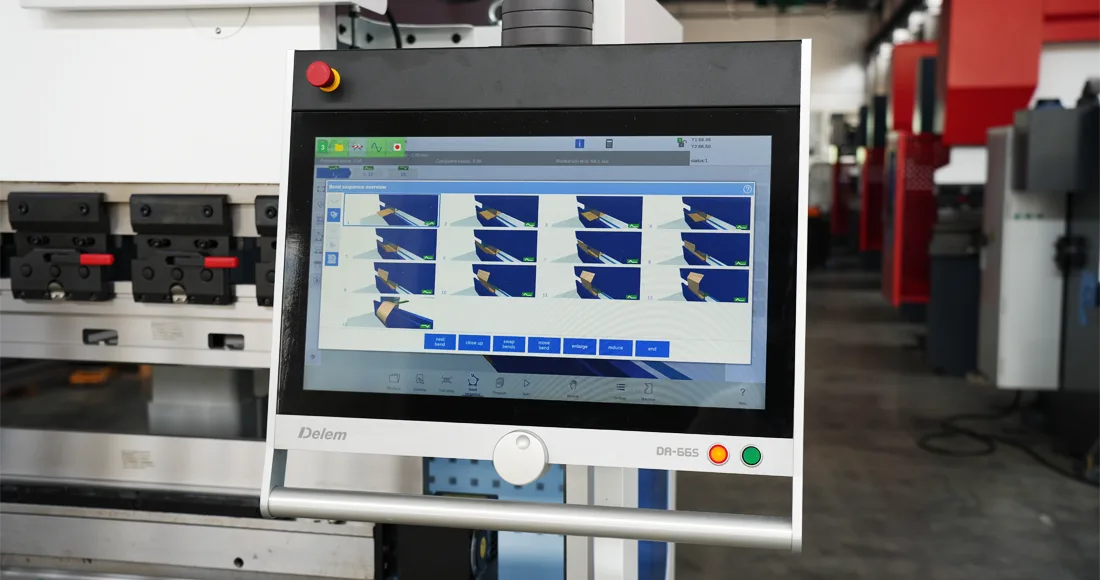
Welcome to the definitive resource for modern metal fabrication. If you are reading this, you are likely standing at a crossroads in your production capabilities. As the Editor-in-Chief at KRRASS, and as someone who has spent decades in the trenches of R&D, structural design, and the production of heavy-duty metal forming equipment, I know that buying a sheet metal press brake is not just a purchase—it is a foundational business decision.
The year 2026 represents a massive paradigm shift in our industry. We are no longer just bending metal; we are integrating high-precision mechatronics with digital twin simulations and navigating an era defined by strict environmental sustainability. The press brake has evolved from a brute-force hydraulic tool into a sophisticated, data-driven node within the Industrial Internet of Things (IIoT). Whether you are a workshop owner looking to upgrade from a mechanical bender or a procurement officer for a multinational aerospace firm, understanding the nuances of tonnage, control systems, and drive mechanisms is critical to your profitability.
In this comprehensive guide, we will dismantle the complexities of the 2026 market. We will explore why 60% of new sales are shifting toward electric architectures, how to calculate tonnage with mathematical precision, and why the components inside the machine—from Siemens motors to Bosch Rexroth hydraulics—matter more than the brand name on the outside.
Table of Contents
The Industrial Paradigm Shift: Bending Technology in 2026
To understand what machine you need today, you must understand where the market is heading tomorrow. The global sheet metal fabrication industry is currently defined by a convergence of “Smart Factory” models and a relentless pursuit of efficiency. In my years designing machine frames, I have never seen a faster transition than what we are witnessing right now.
The dominance of traditional hydraulic systems is being challenged by all-electric and hybrid servo-drive technologies. This isn’t just a trend; it is an economic necessity. With volatile energy prices and expanding carbon taxes in the EU and green incentives in the United States, fabricators are forced to prioritize Output Per Kilowatt-Hour. A machine that idles efficiently is no longer “nice to have”—it is essential for protecting your margins.
Furthermore, the “human variable” is changing. The shortage of veteran operators with 30 years of experience means that the machine itself must bridge the skills gap. Modern press brakes in 2026 are equipped with AI-powered controllers and robotic interfaces that ensure sub-micron repeatability, even with a novice operator at the console.
Global Market Composition: The Numbers Don’t Lie
Based on our internal market analysis and global supply chain data, here is how the consumption of press brake technology is shaking out in 2026.
| Machine Type | Current Market Share | Projected Growth (CAGR) | Primary Industry Drivers |
| Hydraulic | 49% | 3.2% | Heavy construction, shipbuilding, infrastructure, low initial entry cost. |
| Electric | 31% | 7.5% | Aerospace, medical devices, electronics, precision automotive. |
| Hybrid | 15% | 6.8% | General precision fabrication, high-mix job shops, green manufacturing. |
| Mechanical | 5% | -1.5% | Legacy stamping operations (rapidly declining). |
As you can see, while hydraulic systems still hold the lion’s share due to their immense power capacity, electric and hybrid systems are the fastest-growing segments. If your shop handles high-mix, low-volume parts where precision is paramount, adhering to legacy hydraulic technology might put you at a competitive disadvantage.
Taxonomic Analysis: Selecting the Right Drive System
When clients come to KRRASS, the first question is almost always: “Should I go Hydraulic, Electric, or Hybrid?” The answer lies in the physics of your production line. Let’s break down the technical architecture of each system.
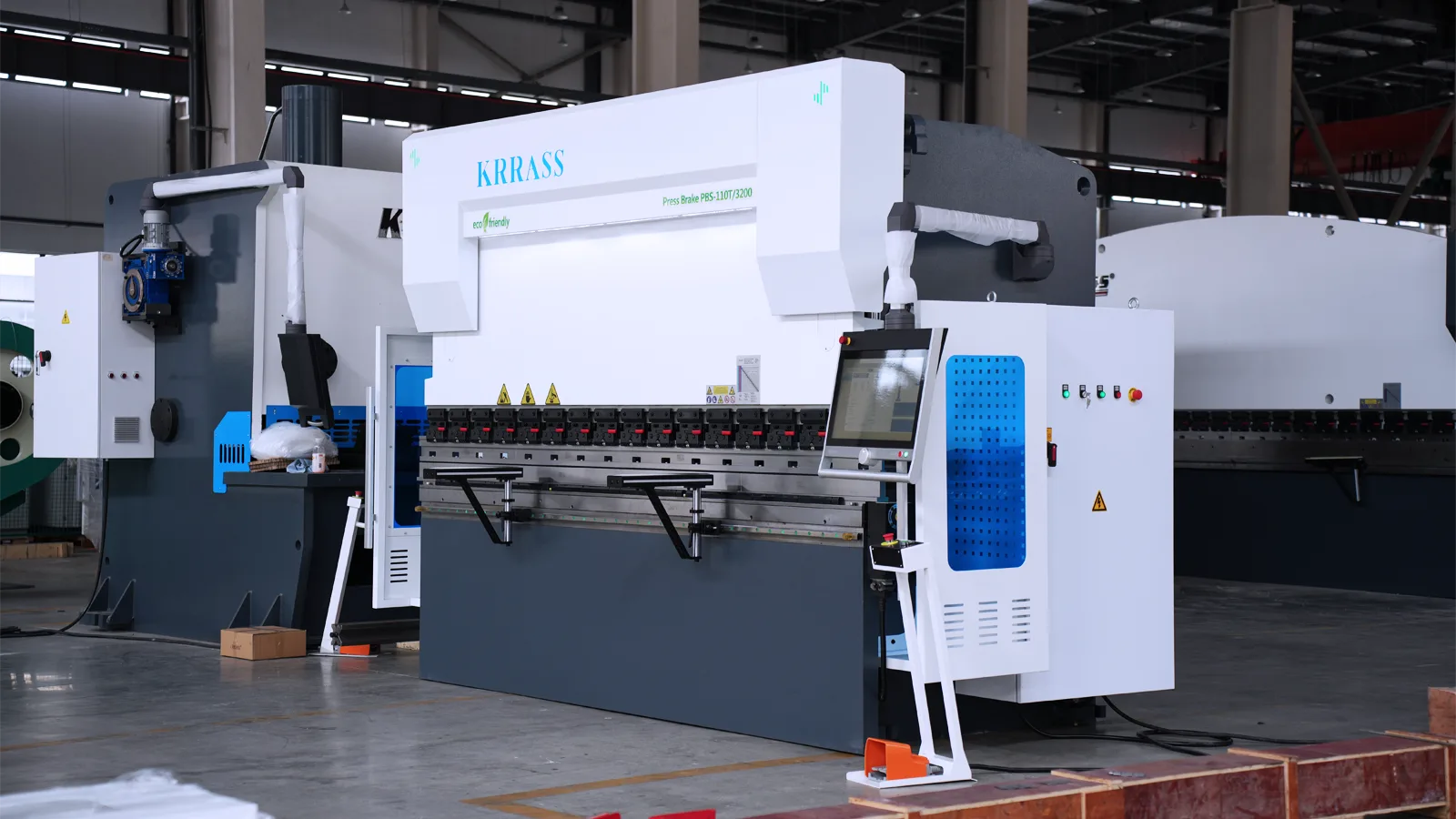
1. Hydraulic Press Brakes: The Powerhouse
Hydraulic press brakes generate bending force through pressurized fluid—typically specially formulated hydraulic oil—acting upon two synchronized cylinders to drive the ram. This technology has been the industry standard for decades, and for good reason. It is robust, reliable, and practically the only viable option when you need forces exceeding 500 tons.
However, traditional hydraulics have an “efficiency penalty.” The main motor drives a pump that must rotate continuously to maintain system pressure, even when the machine is idling or the operator is measuring a part. This continuous energy draw can be significant. Additionally, as an engineer, I must point out that hydraulic oil viscosity changes with temperature. In a non-climate-controlled shop, the first bend of the morning (cold oil) might differ slightly from a bend done at 2:00 PM (hot oil), requiring thermal compensation or skilled operator intervention.
- Best For: Heavy-duty fabrication, structural steel, shipbuilding, and shops where raw tonnage is the priority.
- Drawback: Higher energy consumption and maintenance (oil changes, filter replacements, seal leaks).
2. Electric Press Brakes: The Precision Specialist
All-electric press brakes represent the most significant leap in mechatronics. These machines eliminate hydraulic fluids entirely. Instead, they utilize high-torque servo motors coupled with high-precision ball screws or belt-and-pulley systems to drive the ram.
The control architecture here is a “Closed-Loop” system. The controller knows the exact position of the ram down to the micron. In 2026, electric models are the standard for applications requiring tolerances under 0.01mm. Because the motors only draw power when the ram is actually moving, these machines offer energy savings of up to 70% compared to hydraulic equivalents.
- Best For: EV battery components, medical housings, aerospace alloys, and clean-room environments.
- Drawback: Higher initial purchase price and tonnage limitations (rarely efficient above 300 tons).
3. Hybrid Press Brakes: The Strategic Compromise
This is where KRRASS has focused significant R&D resources. Hybrid press brakes, like our Hybrid PBE Series, integrate the best of both worlds. We utilize servo motors to drive localized, compact hydraulic pumps.
Unlike a traditional hydraulic machine with a massive central reservoir, a hybrid system is “servo-pump” driven. The pump only rotates when you step on the pedal. This eliminates the idling energy waste and significantly reduces oil volume. You get the punching force of hydraulics with the speed and energy efficiency of electrics. Our Hybrid ECO Function helps achieve 73% energy savings while keeping noise levels at a whisper-quiet 50 dB.
- Best For: High-mix fabrication shops that need flexibility, speed, and energy efficiency.
The Anatomy of a KRRASS Press Brake: High-End Componentry
A sheet metal press brake is only as good as the sum of its parts. In my career overseeing production, I have seen many machines that look great on the outside but fail because of inferior internal components. At KRRASS, we believe in radical transparency regarding our supply chain. We integrate premium subsystems from the world’s leading engineering firms because we know that downtime is the enemy of profit.
The Frame: Structural Integrity and FEA
Before a single wire is connected, the machine’s geometry must be perfect. We utilize SolidWorks CAE software for Finite Element Analysis (FEA). This digital stress-testing allows us to simulate maximum tonnage loads on the frame. We ensure that the C-frames—the pillars of the machine—have minimal deflection. If the frame flexes under load, your bend angle will be inconsistent, no matter how good your controller is.
The Hydraulic & Drive System
For our hydraulic and hybrid units, we partner with Bosch Rexroth (Germany). Their hydraulic valve blocks are capable of a frequency response as high as 200Hz. This means the system can adjust pressure in real-time, hundreds of times per second. This responsiveness is what allows for smooth acceleration, deceleration, and the precise “soft switch” point where the ram transitions from fast approach to bending speed.
The Heart: Servo Motors and Electrics
Precision requires torque control. We utilize Siemens (Germany) for our main motors, ensuring Class IE3 high-efficiency ratings. For the backgauge and axis drives, we use ESTUN or Delta servo motors. These are paired with electrical components from Schneider Electric (France). By using standardized, global components, we ensure that if a relay or contactor ever fails, you can find a replacement locally, anywhere in the world, without waiting weeks for a proprietary part.
Precision Guidance: Linear Scales
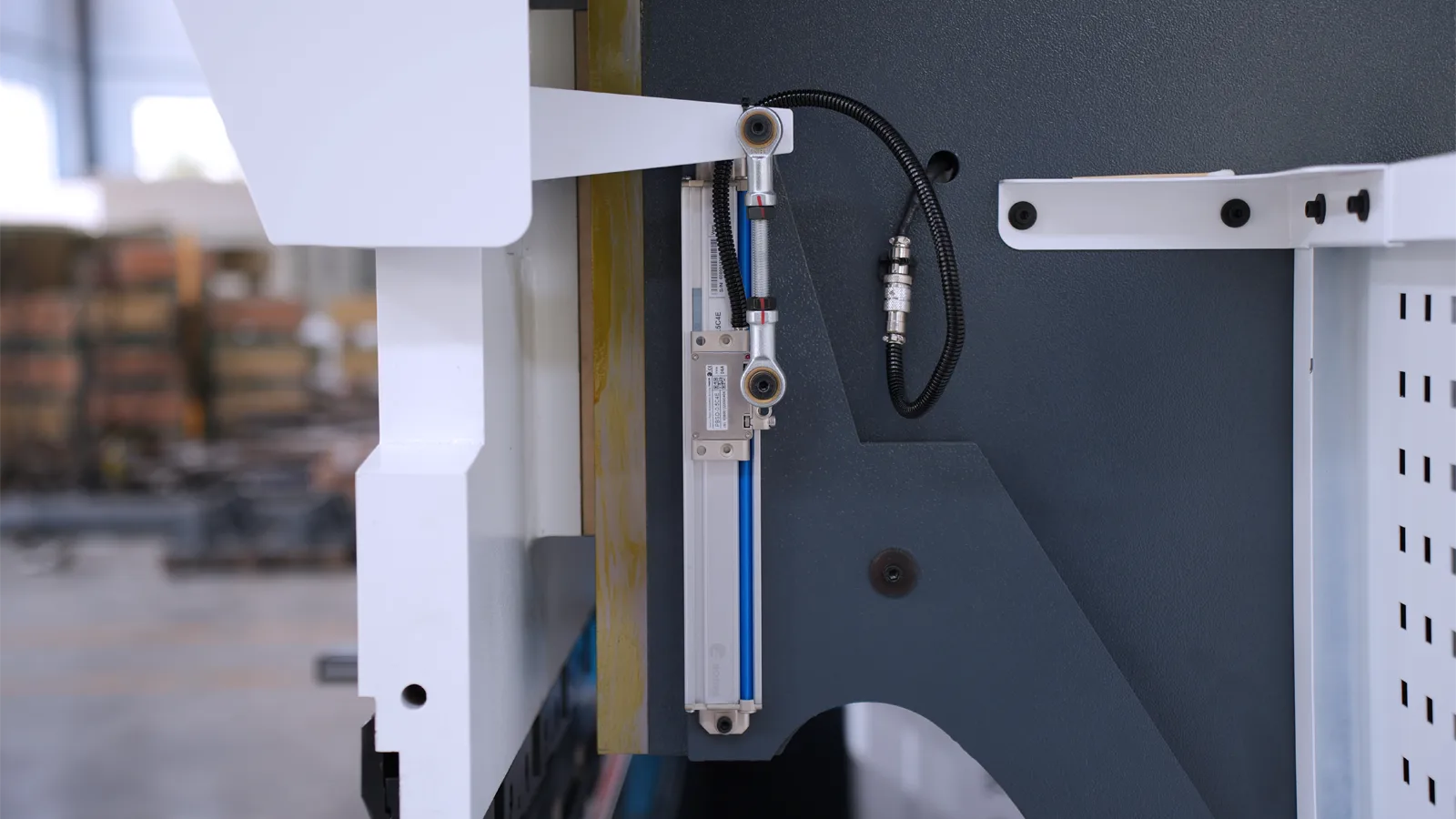
How does the machine know where it is? This is the job of the linear scales (encoders). We often utilize GIVI or Heidenhain optical scales mounted on C-frames attached to the bed, rather than the side frames. This isolates the measurement from the inevitable frame deflection under load, ensuring the controller reads the true position of the ram relative to the die, not the stretching of the machine frame.
| Component | Manufacturer | Function & Benefit |
| Hydraulic System | Bosch Rexroth (Germany) | Real-time pressure control, high reliability, no leakage. |
| CNC Controller | Delem (Netherlands) | The brain of the machine. Advanced 3D visualization and sequencing. |
| Main Motor | Siemens (Germany) | High efficiency, low heat generation, long lifespan. |
| Linear Guides | Hiwin (Taiwan) | Micron-level accuracy for backgauge movement. |
| Sealing Rings | Parker (USA) | Prevents hydraulic leaks even under high pressure/temperature. |
The Physics of Precision: Tonnage Calculation and Material Science
Buying a machine with the wrong tonnage is the most expensive mistake a fabricator can make. Too little tonnage, and you cannot bend your parts. Too much tonnage, and you have overpaid for capacity you will never use.
The Core Tonnage Formula
Tonnage is the measure of the pressure required to overcome the material’s yield strength. For standard air bending, the formula is non-negotiable.
The mathematical relationship is expressed as:
Where:
- P = Required Force in Kilonewtons (kN).
- S = Material Thickness in mm.
- L = Bend Length in meters.
- V = V-die opening width in mm.
Important Engineering Note: Tonnage does not scale linearly. It follows a square law regarding thickness. If you double the material thickness from 2mm to 4mm, you do not need double the force—you need four times the force (22 = 4). This is often where buyers get caught off guard.
The “Rule of 8”
In the shop, we use the “Rule of 8” for die selection. The V-die opening (V) should generally be 8 times the material thickness (V = 8 x S).
- If you decrease the V-opening (e.g., 6 x S) to get a tighter radius, your tonnage requirement skyrockets.
- If you increase the V-opening (e.g., 10 x S), tonnage drops, but your bend radius becomes larger, and you face more springback.
Material Correction Factors
The formula above applies to mild steel (tensile strength ≈ 450 MPa). In 2026, however, we are seeing a massive influx of exotic materials, particularly in the EV sector. You must apply a multiplier for these materials:
- Aluminum (5052/6061): Multiplier 0.5. (Requires half the force of steel).
- Stainless Steel (304/316): Multiplier 1.5. (Requires 50% more force).
- High-Strength Low-Alloy (HSLA) / Domex: Multiplier 2.0 to 3.0.
When selecting a sheet metal press brake, my recommendation is to calculate your maximum theoretical requirement and then add a 20% safety margin. This prevents you from running the machine at 100% load continuously, which significantly extends the life of the hydraulic seals and the frame.
The Digital Intelligence: CNC Control and Software in 2026
In the modern “Smart Factory,” the CNC controller is not merely a keypad for entering numbers; it is the central nervous system of your fabrication cell. It manages the entire bending sequence, compensates for material variations in real-time, and communicates seamlessly with your ERP system.
At KRRASS, we have standardized our premium lines on the Delem ecosystem (Netherlands). Why? Because in my experience, proprietary “black box” controllers often become obsolete within five years. Delem’s open architecture and global support network ensure that your machine remains viable for decades.
The Delem Ecosystem: Choosing Your Level of Control
Selecting the right controller depends on the complexity of your parts. A simple bracket doesn’t need the same computing power as a 12-bend aerospace housing.
1. Delem DA-53Tx: The Workshop Workhorse
For standard job shops, the DA-53Tx offers a robust entry point. It supports up to 4 axes (Y1, Y2, X, R) and features a 15-inch high-resolution color touchscreen. Its “Hot-key” navigation allows operators to program simple bends in seconds. It is ideal for shops where operators are experienced and prefer quick, manual input.
2. Delem DA-66S: Visualizing the Process
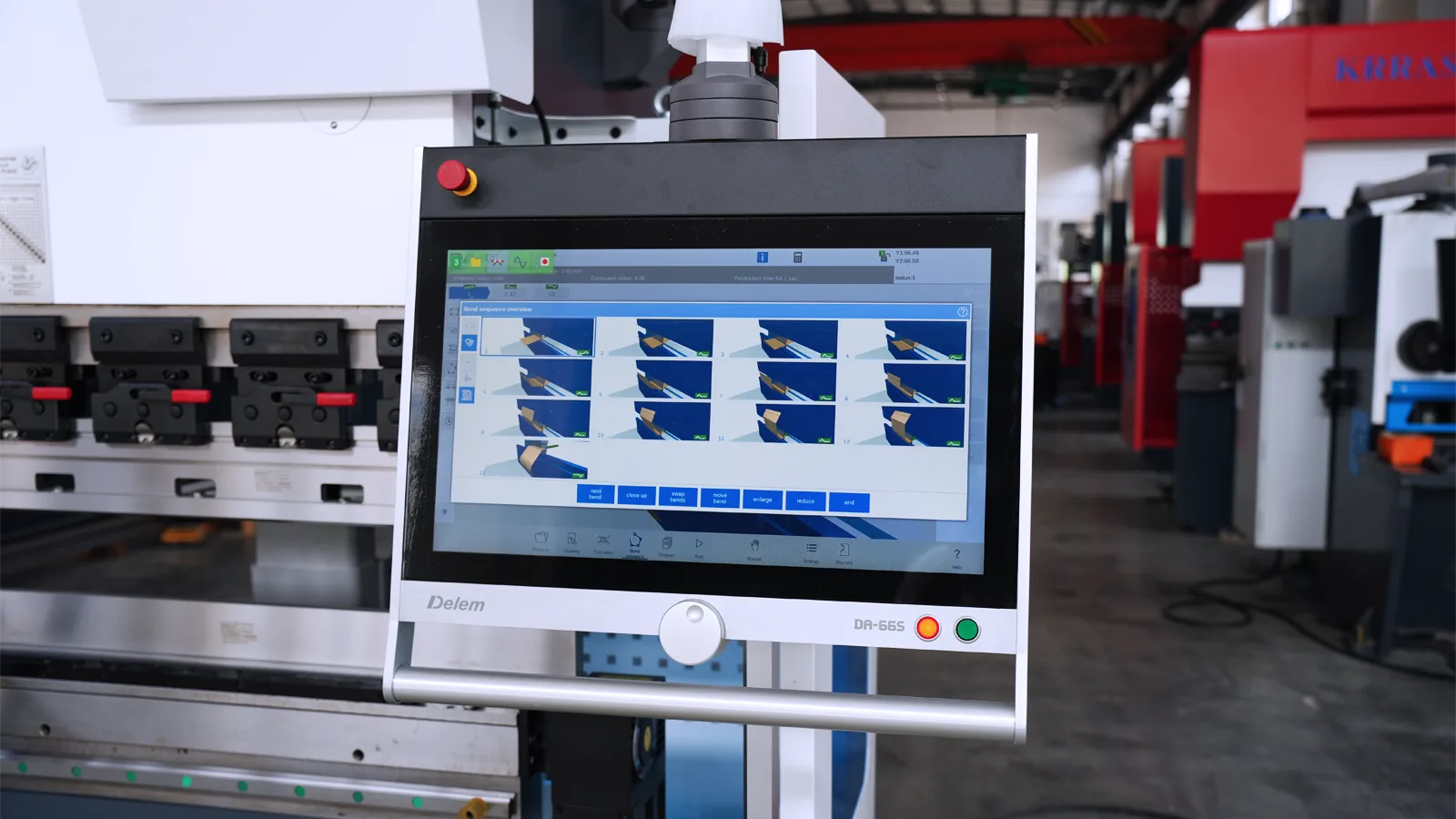
This is where 2026 technology truly shines. The DA-66S features a 24-inch screen with advanced 2D/3D graphical visualization. It automatically calculates the bend sequence and detects collisions before the ram ever moves.
- Feature Highlight: Automatic Bend Sequencing. The controller analyzes the part geometry and tells the operator exactly which order to bend in to avoid hitting the backgauge or the tool. This reduces setup time by up to 40%.
3. Delem DA-69S: The Flagship of Industry 4.0
For high-precision, complex fabrication, the DA-69S is unrivaled. With a massive 24-inch screen and full 3D graphics acceleration, it supports 3D programming directly at the machine. It can import STEP and IGES files directly from your CAD team, eliminating manual data entry errors entirely.
Offline Programming: The Secret to Uptime
One of the biggest bottlenecks in fabrication is “programming at the machine.” Every minute an operator spends staring at the screen is a minute the machine isn’t bending metal.
We integrate Profile-T3D offline software, which allows your engineering department to:
- Unfold 3D Models: Automatically convert SolidWorks or Inventor files into flat patterns with correct bend deductions.
- Simulate Production: Run a “Digital Twin” simulation in the office to check for tool collisions.
- Push to Machine: Send the ready-to-run program via the network (IIoT) directly to the press brake.
| Controller Feature | Delem DA-53Tx | Delem DA-66S | Delem DA-69S |
| Screen Size | 15″ Touch | 24″ Touch | 24″ Touch |
| Visualization | 2D Graphical | 2D/3D Graphical | Full 3D Real-time |
| Axis Support | 4 Axes | 6+ Axes | Unlimited/Multi-axis |
| File Import | DXF | DXF/DWG | STEP/IGES/DXF |
| Collision Check | Basic | Advanced | Full 3D Simulation |
Safety as a Strategic Priority
Operating a sheet metal press brake is inherently dangerous. We are dealing with hundreds of tons of force capable of crushing steel—and human tissue—in milliseconds. In 2026, safety is not just a regulatory burden; it is a strategic investment in your workforce. A safe operator is a confident, fast operator.
The Global Regulatory Landscape
KRRASS machines are engineered to meet the strictest global standards, specifically:
- USA (OSHA & ANSI): We comply with ANSI B11.3-2022, which mandates strict “Control Reliability” and Point-of-Operation (POO) safeguarding.
- European Union (CE & EN): Our machines carry the CE mark, adhering to EN 12622. This standard introduces the concept of Performance Level (PL), ensuring that safety circuits are redundant and self-checking.
Advanced Safety Technologies
Gone are the days of clumsy physical barriers that slowed down production. We utilize active, invisible safety systems.
1. Laser Protection (DSP / Lazersafe)
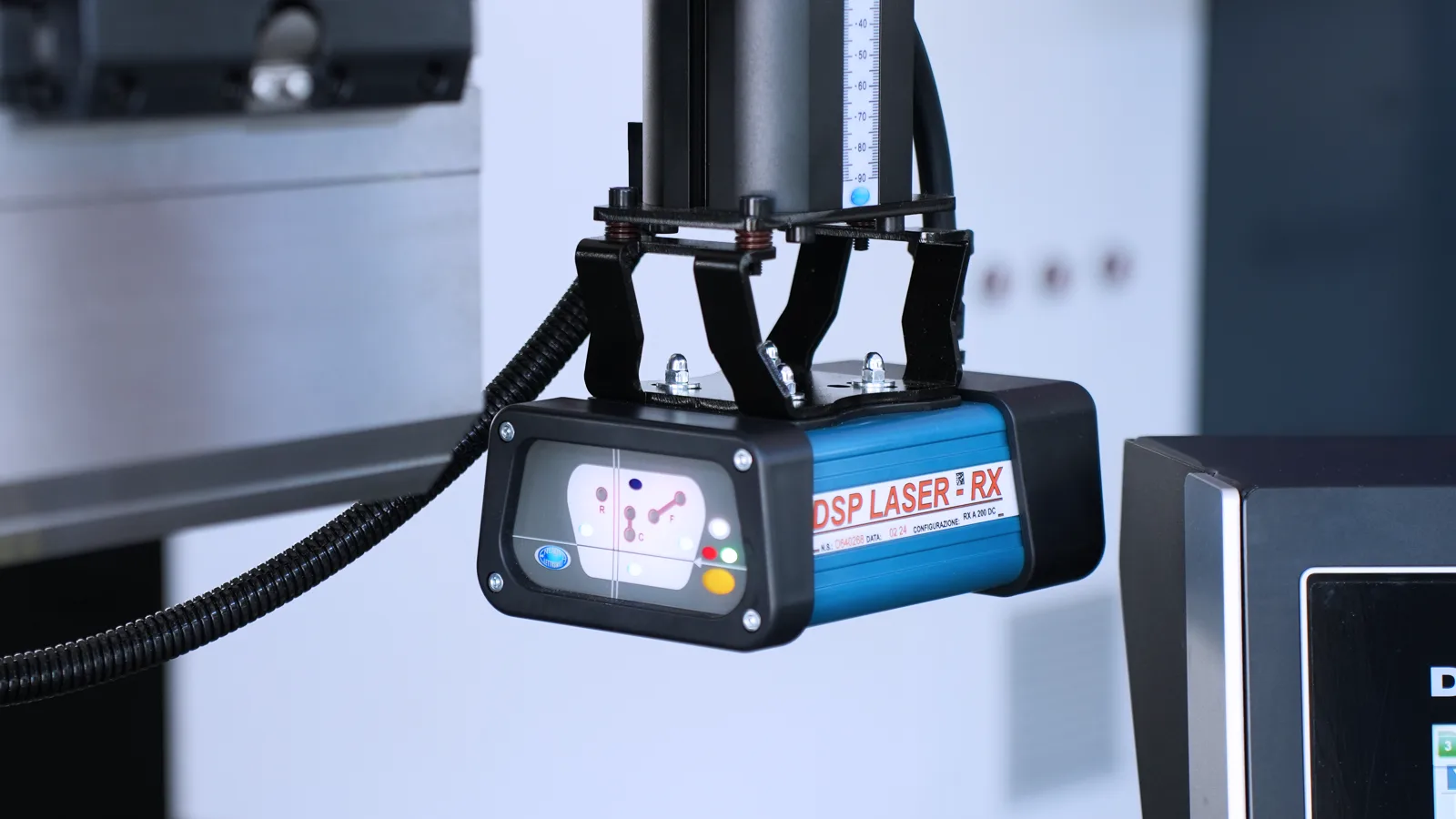
For high-speed electric and hybrid machines, we recommend Lazersafe (Australia) or DSP (Italy) systems. These devices project multiple laser beams just millimeters below the punch tip.
- How it works: The laser travels with the ram. If the operator’s finger breaks the beam, the machine stops in 5 milliseconds.
- The Productivity Gain: unlike old systems, Lazersafe allows the ram to approach at high speed until it is just 2mm above the material, then switch to bending speed. This “High-Speed Mute” function reduces cycle time by 30% compared to standard light curtains.
2. Light Curtains and Interlocks
For the rear and sides of the machine, we use Category 4 light curtains with “self-checking” logic. If a cable is cut or a sensor fails, the machine defaults to a safe “stop” state immediately.
3. Mechanical Safety Grooves
Safety isn’t just electronics. All KRRASS tooling features “safety clicks” or grooves. When an operator is changing a heavy top tool, these grooves prevent the tool from falling even if the clamp is released, preventing crushed hands and damaged dies.
Strategic Procurement: The Economics of the Bending Cell
When you buy a press brake in 2026, you are making a 15-to-20-year commitment. The sticker price (CAPEX) is often secondary to the Total Cost of Ownership (TCO) and the Return on Investment (ROI).
The ROI Equation
How do you justify the cost of a premium electric or hybrid press brake over a cheap hydraulic one? The answer lies in the Annual Net Gain.
- Energy Savings: A KRRASS Hybrid Servo machine can save $10,000 to $30,000 annually in electricity for a shop running two shifts, compared to a standard hydraulic machine that idles constantly.
- Labor Savings: Automated tool changers and offline programming can reduce setup time from 45 minutes to 5 minutes. If your shop rate is $100/hour, saving 40 minutes per setup, twice a day, saves you $33,000 per year in non-productive labor.
- Quality Gains: Reducing scrap rates. If a precise electric brake prevents you from scrapping one expensive stainless steel sheet per week, that is thousands of dollars back in your pocket.
Total Cost of Ownership (TCO) Checklist
Before signing a purchase order, use this checklist to uncover hidden costs:
| Cost Category | Traditional Hydraulic (Budget) | KRRASS Hybrid/Electric (Premium) |
| Initial Price | Low | Moderate/High |
| Electricity (10 Years) | High ($$$) | Low ($) |
| Oil Changes | Every 2000 hours (expensive) | Every 5-7 years (or none) |
| Seal Replacement | Every 3-5 years | Rare / Never |
| Resale Value | Low (Scrap metal value) | High (Retains 50-60% value) |
| Downtime Risk | Moderate (Valve/Pump failures) | Very Low (Solid state electronics) |
Case Study: A Midwest US manufacturer switched from three legacy hydraulic brakes to two KRRASS Electric Servo brakes. Despite having one less machine, their throughput increased by 30% due to faster cycle times and the elimination of “test bends” (thanks to the Delem DA-69T). They achieved full ROI in just 18 months.
Operational Best Practices for 2026
To get the most out of your sheet metal press brake, you must treat it like the precision instrument it is.
Pre-Operation Inspection Protocol
Every shift should begin with a “flight check”:
- Safety Verification: Test the emergency stop and block the laser guard to ensure the ram stops instantly.
- Warm-Up (Hydraulic/Hybrid): Even modern hybrids benefit from 2-3 minutes of idle cycling to circulate the oil and stabilize the temperature.
- Tooling Alignment: Visually inspect the punch and die. A 0.1mm misalignment can cause 2 degrees of angle error.
“Lean” Bending Techniques
- Front Support Arms: Use our sliding front support arms for large sheets. This isn’t just for comfort; it ensures the sheet enters the die square, preventing “dog-leg” bends.
- 5S Workspace: Keep the area clear. Metal fabrication generates dust and chips. If these get into the electrical cabinet or the linear scales, accuracy will drift. We recommend installing cabinet air conditioners for shops in hot climates.
Market Trends and the Future of Bending (2026–2030)
As we look toward 2030, the technology curve is accelerating. Here is what KRRASS is currently developing for the next generation.
1. AI-Powered Adaptive Bending
Future systems will use deep learning to predict “Springback.” The machine will measure the tensile strength of the material during the first degree of the bend using sensors in the frame. It will then automatically adjust the depth of stroke to achieve the perfect angle, regardless of material inconsistencies. This effectively eliminates the “trial and error” phase.
2. Collaborative Robotics (Cobots)
Automation is moving from massive cages to flexible “Cobots.” We are seeing a surge in demand for mobile bending robots that can work alongside a human operator—handling the heavy lifting for the night shift and moving to a welding station during the day.
3. Sustainability as a Mandate
With the EU’s Carbon Border Adjustment Mechanism (CBAM), the “carbon footprint” of your machinery will soon become a trade tariff issue. Buying a high-efficiency electric press brake will be a requirement for supplying green supply chains (like EV manufacturers).
Conclusion: Navigating the 2026 Acquisition
The acquisition of a sheet metal press brake in 2026 is a complex equation balancing mechanical force, digital intelligence, and economic sustainability.
While traditional hydraulic machines remain the workhorses for heavy structural steel, the industry is undeniably shifting toward electric and hybrid technologies. These systems offer the precision required for modern aerospace and medical parts, the energy efficiency demanded by new regulations, and the connectivity needed for the Smart Factory.
By selecting a partner like KRRASS, you are not just buying a machine; you are investing in a comprehensive manufacturing solution. We combine top-tier components from Siemens, Bosch Rexroth, and Delem with our own heavy-duty engineering heritage. Whether you need to bend 6-meter ship plates or tiny titanium medical clips, we have the technology to drive your profitability.
Ready to configure your machine?
Visit our Press Brake Product Page to view our full range of Hydraulic, Hybrid, and Electric Servo brakes, or contact our engineering team today for a custom ROI analysis.
FAQ
What is a sheet metal press brake?
A sheet metal press brake is a machine used to bend and shape metal sheets into desired angles and forms. It applies a significant amount of force to the metal, allowing it to be molded precisely without breaking. This equipment is essential in metal fabrication, impacting industries like construction, aerospace, and automotive, among others.
What type of press brake should I choose?
Choosing between hydraulic, electric, or hybrid press brakes depends on your production needs. Hydraulic machines are powerful and suited for heavy-duty tasks, while electric models are efficient and provide high precision. Hybrid presses combine the benefits of both, offering flexibility and energy savings. Assessing your specific requirements will help you make the best choice.
How do I calculate the tonnage needed for my press brake?
To calculate the tonnage for your press brake, you’ll need to consider the material thickness, bend length, and the V-die opening width. The formula is: Required Force (P) = 650 × (Material Thickness (S)2) × (Bend Length (L)) ÷ (V-die Opening Width (V)). It’s essential to have the right tonnage to avoid damaging the machine or the material.
Why is energy efficiency important in a press brake?
Energy efficiency is crucial because it reduces operating costs and minimizes environmental impact. Electric and hybrid press brakes can save much more energy compared to traditional hydraulic models. This not only lowers electricity bills but also aligns with growing sustainability regulations, making your operation greener and more cost-effective.
What safety features should I look for in a press brake?
When selecting a press brake, ensure it has advanced safety features such as laser protection systems, light curtains, and emergency stop buttons. These technologies help prevent accidents by stopping the machine when obstacles or unsafe conditions are detected, ensuring a safe working environment for operators.
How often should I maintain my press brake?
Maintenance frequency for your press brake depends on its usage and type. Generally, hydraulic systems require regular oil changes and checks every few thousand hours, while electric models may need less frequent servicing. It’s advisable to perform daily inspections and follow the manufacturer’s guidelines for long-term performance.
What are the benefits of offline programming?
Offline programming allows engineers to prepare machine programs without stopping operations, which avoids downtime. It simplifies the programming process by letting you run simulations to check for potential errors before sending the final program to the machine. This leads to increased efficiency and fewer mistakes during production.
Can I automate my press brake operation?
Yes, you can automate your press brake operation using collaborative robots (cobots) or upgraded CNC systems. Automation improves efficiency, reduces labor costs, and enhances precision by minimizing human error. Incorporating smart technology can also lead to better production rates and overall profitability.
What should I consider before buying a new press brake?
Before purchasing a new press brake, consider factors such as your production requirements, budget, energy efficiency, and available space. Assess the type of materials you will work with and their thickness, as well as the machine’s tonnage capacity and safety features. It may also be helpful to consult with manufacturers to find a machine that suits your needs.
How does technology in press brakes enhance precision?
Modern press brakes utilize advanced technologies such as CNC control and high-precision sensors. These features enable the machine to calculate bends accurately, adjust for material variations, and improve overall quality. The integration of AI and smart systems further provides real-time adjustments during production, ensuring high precision with minimal waste.
Disclaimer: The technical data and market projections in this article are based on 2026 industry standards. Always consult with a KRRASS application engineer to verify the specific tonnage and tooling requirements for your unique application.

 English
 Arabic
 French
 Portuguese
 Russian
 Spanish