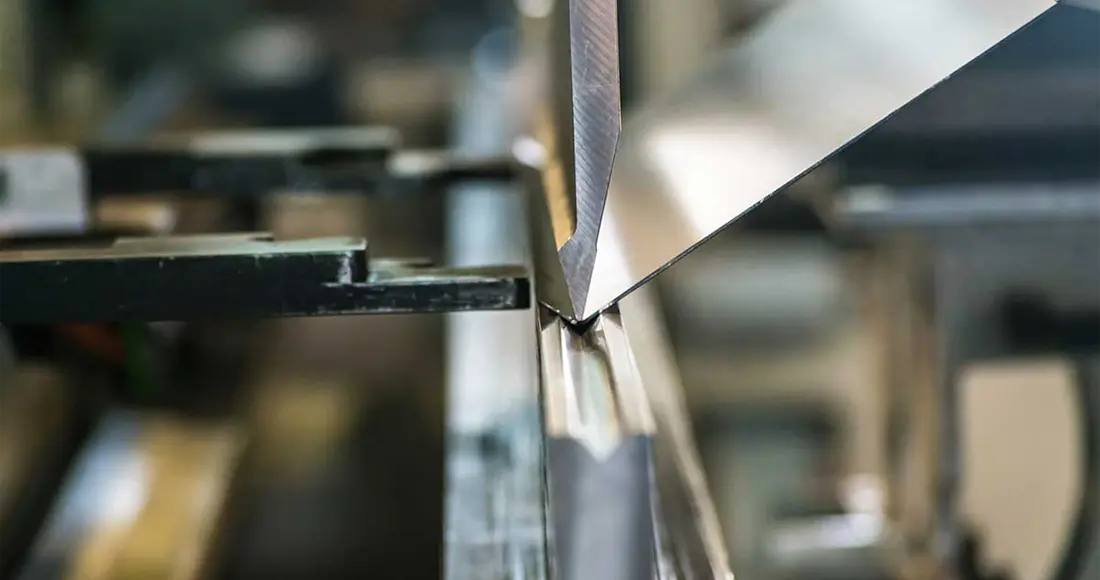
Sheet metal fabrication plays a critical role in the manufacturing industry, finding applications in construction, automotive, aerospace, and various other fields. The versatility of sheet metal, along with its ability to be molded into different shapes and sizes, makes it a popular choice for creating complex and intricate designs.
However, to ensure the success of any sheet metal fabrication project, it is essential to have a solid understanding of design principles and best practices. This article serves as a comprehensive guide to sheet metal fabrication design, offering tips for material selection, geometric constraints, and cost-effective design strategies.
Whether you're an experienced engineer or a novice designer, this guide will assist you in creating high-quality sheet metal parts that meet the requirements and specifications of your project.
Обзор процесса изготовления изделий из листового металла
In manufacturing, sheet metal refers to anything thinner than 0.25 inches. All sheet metal parts must have a consistent width, which limits their applications but ensures durability and longevity.
Sheet metal parts are commonly used in applications such as automobile chassis, where the strength-to-weight ratio is crucial. Due to their lower thickness, sheet metal parts are generally hollow, resulting in reduced weight without compromising load-bearing capacity.
While precision processes may not be necessary for simple applications, avoiding precision sheet metal fabrication for high-value applications is impractical as it may lead to equipment damage due to wear and tear.
Принцип работы
The working principle behind sheet metal fabrication is relatively straightforward. It relies on the elasticity of the metal and the fact that cold-rolled metal provides better durability. Sheet metal fabrication involves two main methods: cutting and forming.
As the name suggests, cutting involves removing a portion of the sheet to achieve the desired shape. Forming, on the other hand, is a more complex process consisting of three different processes that work together to create the required form. Design and manufacturability must be carefully considered in the process to minimize waste and ensure perfection.
In most cases, manufacturers rely on CAD files in either the DXF or DWG format to ensure compliance with the design. Cutting and forming processes often work in tandem to expedite results in most projects. While sheet metal fabrication typically requires no post-processing, some finishing and joining techniques may be necessary depending on the application.
Четыре основных метода обработки листового металла
Sheet metal fabrication involves two primary processes: forming and cutting. These techniques work together to shape the final product. Cutting is a relatively simple process, while forming includes stamping, bending, and punching as sub-techniques.
Here are the key details about the main techniques used in creating sheet metal parts:
1 - Cutting
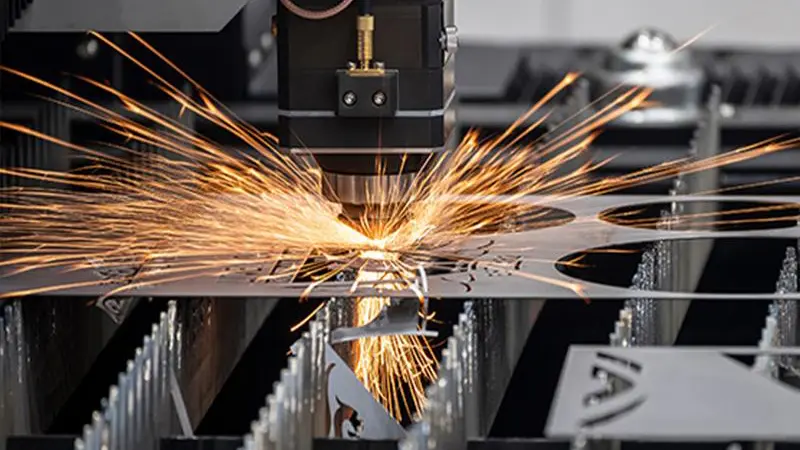
The cutting process removes excess sheet metal to achieve the final form. There are three main approaches to cutting sheet metal:
- Лазерная резка
- Плазменная резка
- гидроабразивная резка
2 - Bending
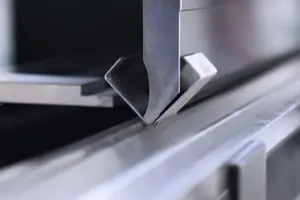
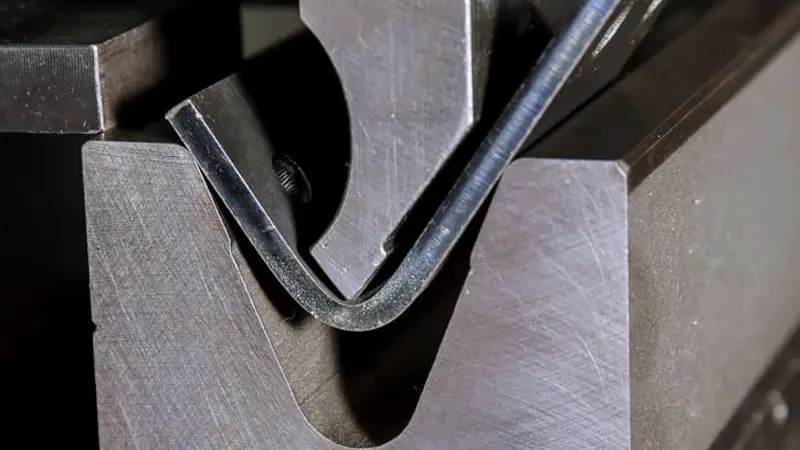
The bending process applies significant force at a specific point on the sheet metal to obtain the desired shape. In some cases, the area under the bend may require preparation, such as bend notches, which indicate the bend location and facilitate the process.
3 - Stamping
Stamping is a complex process that combines shearing, bending, and stretching to create complex parts efficiently. Manufacturers often choose stamping for time-sensitive projects that require intricate designs.
4 - Punching
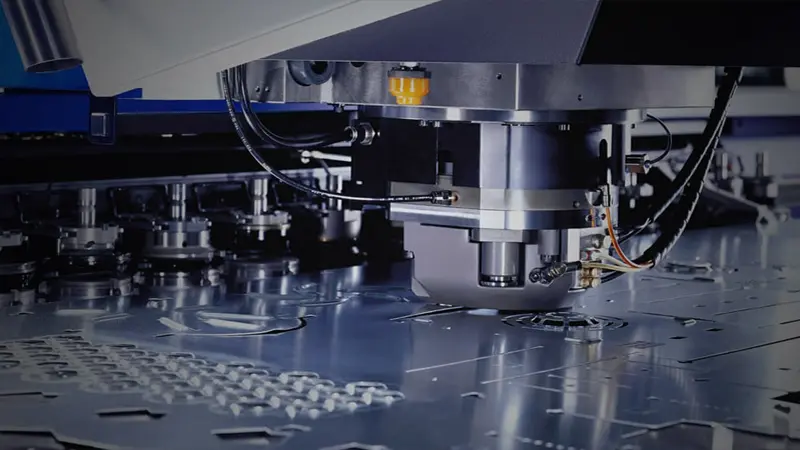
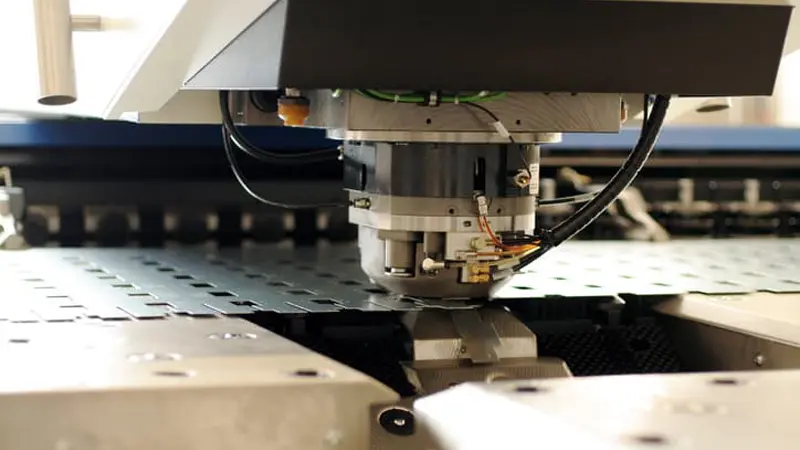
Punching involves using different techniques, including shearing, bending, and stretching, to create new shapes from sheet metal. Some punching processes even involve joining multiple pieces using various techniques.
Основные преимущества и ограничения использования листового металла для изготовления изделий.
Sheet metal parts offer several advantages that make them popular in many industries. However, there are also limitations to consider. Understanding these advantages and limitations is crucial for manufacturers to determine the appropriate applications for sheet metal.
| Преимущества | Недостатки |
|---|---|
| По сравнению с другими методами производства, это обеспечивает более быструю обработку заказа. | Создание сложных конструкций со замысловатыми деталями может быть затруднительным и ограничивать диапазон форм и размеров, которые можно изготовить. |
| Высококачественные детали как для серийного производства, так и для прототипирования. | Требуется значительные инвестиции в оснастку и другое оборудование, что может стать препятствием для мелкосерийного производства. |
| Достаточно универсален для работы с различными металлами, такими как сталь, алюминий и медь. | Из-за множества этапов процесса, таких как резка, формовка и отделка, сроки выполнения заказа выше по сравнению с другими методами изготовления. |
| Благодаря полой конструкции обеспечивает высокое соотношение прочности к весу. | Требуется квалифицированная рабочая сила, что может быть дорогостоящим. |
| В большинстве случаев постобработка не требуется. |
Рекомендации по проектированию изделий из листового металла
As mentioned earlier, sheet metal fabrication design requires attention to specific requirements that vary based on the overall product design. Simple products may have fewer requirements, while intricate geometries may necessitate additional processes for market readiness.
Sheet metal fabrication generally follows a set of best practices to ensure perfection and deliver the highest quality in the shortest time. The following five categories encompass the general guidelines for sheet metals:
Допуски
Tolerance is a critical parameter in various applications. The general rule of thumb is that higher precision requires more resources and incurs additional costs. Therefore, tolerances should align with the application.
For example, in the automobile industry, the precision required for the door or body parts is typically lower than that required for the chassis or other integral components. While tolerance requirements depend on project-specific needs, relying on set quality standards can help maintain consistency and performance. Compliance with industry standards also facilitates meeting industrial requirements and building consumer trust in the brand.
The prevalent standard for sheet metal fabrication is ISO 2768, which covers tolerance requirements across multiple industries while maintaining a balance between costs and processing capabilities.
Общие допуски
Sheet metal fabrication follows several general tolerances that are universally used in compliance with international standards. However, sensitive applications like aerospace and automotive may have exceptions to these standards due to the criticality of precision for optimal performance.
| Особенность | Предполагаемый диапазон допустимых отклонений | Дополнительные примечания |
|---|---|---|
| Толщина стенки | от 0,9 мм до 20 мм | |
| Смещения | от 0,3 мм до 0,7 мм | |
| Кудри | >2x material thickness | Любое отклонение от рекомендованной величины изгиба сделает лист хрупким. |
| Изгибы | 0.9mm–1.2mm; 1.8mm–2.4mm; 3.8mm–5.0mm; 7.5mm–10mm; 15mm–20mm | На всех изгибах ожидается отклонение в пределах +/- градусов. Кроме того, любые дополнительные требования увеличат ваши затраты. |
| Подолы | Inside dia = material thickness with return length to be 4x the thickness | |
| Зенковки | Major dia = +/- 0,254 mm; Minor dia > 2/3 thickness | |
| Отверстия и пазы | Dia > material thickness | Диаметр меньше толщины материала приведет к образованию трещин в листе. |
| Выемки и выступы | Notch width > 1.5x thickness; Length > 5x thickness |
Основы формирования
Forming involves bending a flat sheet of metal into a predetermined shape by applying pressure. The process requirements and details vary depending on the type of bending process. While numerous methods exist, the following three are the most common for sheet metal bending:
- Brake pressing: This manual process uses a clamping bar and a plate to form the metal sheet. It is suitable for prototyping and small-scale productions.
- Roll bending: This method produces results in the form of cylinders, cones, or other arcs, while following the same principles as brake pressing.
- Press brake bending: This advanced bending process utilizes hydraulic machines with punches and dies. It is suitable for metal sheets up to 6mm thick and allows for precise features.
Интегральные параметры для гибки листового металла
When it comes to the bending process, several parameters must be considered by manufacturers and designers. Adhering to these design requirements is crucial for characterizing any sheet metal bend and ensuring excellent results.
Вот шесть наиболее важных параметров для любой операции гибки листового металла.
- Bend Line: The bend line is a straight line on the sheet's surface that marks the beginning and end on both sides of the bend. The industry standard for bend lines is to maintain a distance of 5 times the sheet thickness between the inside edge and outside of the bend.
- Радиус изгиба: • Радиус изгиба: Радиус изгиба — это расстояние от оси изгиба до внутренней поверхности материала между двумя линиями изгиба. Рекомендуется использовать радиус изгиба, который как минимум равен толщине материала. Больший радиус изгиба еще лучше, но использование радиуса меньше толщины материала может снизить несущую способность детали.
- Bend Angle: The bend angle is the angle created by the bend with the imaginary perpendicular line coming from the axis. While there is no specific number for the bend angle, it is recommended to ensure that the flange length is four times the thickness. Keeping all bend angles the same is also good practice.
- Neutral Axis: The neutral axis is the portion of a sheet that remains at its original length without stretching or compressing. While there is no legal limit or guideline for its location, the accuracy of other factors, such as bend radius and angle, plays a crucial role in determining the performance of the final product. Precise factors lead to better product performance.
- The K-Factor: The K-factor of a material is a measure of its location, determined by dividing the distance between the material and its thickness (t) by its T. The K-factor is influenced by factors such as the material type, bending process, and bend angle. To achieve optimal results, the K-factor should fall within the range of 0.25 to 0.50. The K-factor can be calculated using the formula K = T/t.
- Bend Allowance: To create accurate and consistent bent parts, it is important to measure and account for the arc length and the distance between the neutral axis and the bend lines. Accurate bend allowances appropriate for the material, thickness, and type of bending process (e.g., air bending, bottom bending, or coining) should be used.
Основы стрижки
Cutting is another essential process in sheet metal fabrication. In many cases, it offers a simpler alternative that provides fast results with acceptable precision. During the design phase, sheet metal design guidelines focus on the following five parameters.
Выбор материалов
Material characteristics play a crucial role in determining the suitable cutting process for a specific material. For example, aluminum is generally easier to cut than steel due to its relative strength and durability.
When selecting materials, manufacturability should also be considered. If both steel and aluminum can withstand the required operation's loads, it may not always be smarter to choose the stronger alternative (steel) without considering manufacturing capabilities.
Диаметр отверстия
When designing a product involving drilled holes in a sheet, it is important to consider the sheet's thickness and the diameter of the hole. A general rule of thumb is to ensure that the hole's diameter is at least equal to the overall sheet thickness.
If the hole diameter is too small compared to the sheet thickness, cracks and brittle areas may form around the hole. Over time, these cracks can propagate and result in durability issues that negatively affect the product's overall performance.
Therefore, it is essential to ensure that the hole diameter is appropriate for the sheet thickness, maintaining the structural integrity and long-term durability of the product.
Локализованное затвердевание
During the cutting process, significant heat can be generated, affecting the material's properties. Overheating in the region surrounding the cut can lead to localized hardening. To prevent this issue, it is recommended to reduce the cutting speed and use coolants to regulate the temperature in the affected area. These measures minimize the risk of localized hardening.
Искажение
Distortion in sheet metal fabrication refers to the warping, bending, twisting, or buckling of the metal sheet during the manufacturing process. This issue can occur due to factors like temperature changes, stress, or pressure during fabrication. Distortion can cause significant problems in the final product, such as dimensional inaccuracies, poor fitment, and reduced strength.
To avoid distortion, several steps can be taken during sheet metal fabrication:
Керф
The kerf is directly related to the width of the cutting tool and the material thickness being cut. It represents the width of material removed by the cutting tool and determines the amount of material wasted in the cutting process.
For example, if a laser beam has a kerf of 0.1mm and cuts through a 1mm thick sheet of metal, the total width of material removed will be 0.2mm (0.1mm from each side of the cut). The kerf width may vary based on the cutting process, material type, and thickness.
Considering the kerf is important when designing parts for sheet metal fabrication, as it can impact the final dimensions of the part. If precise dimensions are required, the designer should account for the kerf and adjust the design accordingly. Additionally, the kerf can also affect the cost of the fabrication process, as wider kerfs result in more wasted material.
Общие характеристики деталей из листового металла
Sheet metal parts often incorporate several common features to meet industry requirements. Here are the six main features commonly found in sheet metal parts:
| Параметры | Описание | Recommendations |
|---|---|---|
| Corner Fillets | Закругленные углы — это кромки или углы на деталях из листового металла, созданные для предотвращения появления острых краев, которые могут быть опасны и вызывать концентрацию напряжений в металле, что приводит к разрушению. | Размер: Размер галтеля должен быть как минимум равен толщине листового металла. Другими словами, для листового металла толщиной 2 мм или менее следует использовать галтель толщиной 2 мм. |
| Симметрия: Скругления на детали должны быть симметричными. Это означает, что скругления на противоположных углах должны быть одинакового размера. | ||
| Равномерность: Скругления должны быть одинакового размера по всей детали. Это означает, что скругления на всех углах должны быть одинакового размера. | ||
| Расположение: Угловые швы следует располагать в местах, где высока вероятность концентрации напряжений. Это включает в себя участки, где листовой металл изогнут или где происходит изменение формы или направления. | ||
| Радиус: Радиус скругления должен быть как можно больше. Это помогает более равномерно распределять напряжения и снижает вероятность концентрации напряжений. | ||
| Конструкция: Конструкция детали должна быть такой, чтобы скругления можно было легко добавлять без ущерба для целостности детали. | ||
| Ребрышки | Выступающие элементы, как правило, перпендикулярные поверхности детали из листового металла. Они используются для придания детали прочности и жесткости без значительного увеличения веса. | Толщина ребер не должна превышать 601Т3Т толщины листового металла, чтобы избежать концентрации напряжений. |
| Используйте скругления для сглаживания перехода между ребром и окружающим материалом, что поможет более равномерно распределить напряжения. | ||
| Избегайте слишком близкого расположения ребер или слишком близко к изгибам, так как это может создать слабые места в материале. | ||
| Для более равномерного распределения напряжений рекомендуется использовать конические или регулируемые по высоте ребра. | ||
| Тиснение | Recessed features that are typically parallel to the surface of the sheet metal part. They are used to add depth or texture to the part, or to create a space for another component to fit into. | Чтобы избежать концентрации напряжений, глубина тиснения не должна превышать 501Т3Т толщины листового металла. |
| Используйте скругления для сглаживания перехода между рельефным рисунком и окружающим материалом, что поможет более равномерно распределить напряжения. | ||
| Избегайте размещения рельефных элементов слишком близко друг к другу или слишком близко к изгибам, так как это может создать слабые места в материале. | ||
| Учитывайте влияние тиснения на общий внешний вид детали и убедитесь, что оно соответствует требованиям фирменного стиля или дизайна. | ||
| Раунд Босс | Выступающий круглый элемент в листовом металле, используемый для придания прочности и жесткости детали. Обычно он создается путем штамповки или формовки круглого углубления в листовом металле, в результате чего металл по периметру углубления выгибается, образуя выступающий круглый элемент. | Выберите правильный размер и местоположение: тщательно продумайте размещение и размер выступа, чтобы убедиться, что он обеспечит необходимую поддержку и прочность, не мешая другим компонентам и не создавая производственных проблем. |
| Используйте подходящий инструмент: для создания круглого выступа требуется специализированный инструмент, например, набор пуансонов и матриц или формовочный инструмент. Важно использовать подходящий инструмент, чтобы обеспечить правильную форму выступа и предотвратить повреждение листового металла в процессе работы. | ||
| Учитывайте толщину материала: толщина листового металла повлияет на размер и форму круглого выступа, который можно изготовить. Для более толстых материалов могут потребоваться более крупные или глубокие выступы, обеспечивающие необходимую прочность и жесткость. | ||
| Особенность в виде ямочки | Углубления часто используются по разным причинам, в том числе: для повышения жесткости и прочности детали из листового металла за счет добавления усиления; для создания гладкой и ровной поверхности для крепления крепежных элементов или других компонентов; для обеспечения зазора для других деталей или компонентов. | Тщательно продумайте размер и расположение углублений. Углубления следует размещать в тех местах, где они принесут наибольшую пользу, а их размер должен соответствовать назначению. |
| Слишком большие или глубокие ямки могут ослабить материал, в то время как слишком маленькие или мелкие ямки могут не обеспечить достаточного армирования. | ||
| Выберите подходящий инструмент для работы. Существует множество инструментов, которые можно использовать для создания углублений, включая пуансоны, матрицы и фасонные инструменты. Выбор инструмента будет зависеть от размера и формы углубления, а также от типа используемого материала. | ||
| Take into account the thickness and material of the sheet metal. Different types of sheet metal may require different techniques or tools for creating dimples, and thicker materials may require more force or a larger tool. | ||
| Учитывайте любые ограничения или особенности конструкции. Углубления могут быть полезными элементами, но они могут быть нецелесообразны для каждого применения. Убедитесь, что конструкция учитывает любые потенциальные проблемы или сложности, которые могут возникнуть при добавлении углублений. | ||
| Особенность жалюзи | Основное назначение жалюзи — улучшение циркуляции воздуха и вентиляции в помещении или на панели, на которой они установлены. Жалюзи могут быть спроектированы для выполнения конкретной задачи, например, для направления воздуха в определенном направлении, снижения уровня шума или защиты от пыли, грязи или влаги. | Размер: Размер жалюзи следует тщательно выбирать, исходя из требуемого воздушного потока и доступного пространства для установки. Слишком маленькие жалюзи могут не обеспечивать достаточную вентиляцию, а слишком большие могут поставить под угрозу структурную целостность панели. |
| Ориентация: Ориентацию жалюзи следует выбирать, исходя из направления воздушного потока и расположения любых потенциальных препятствий, которые могут повлиять на поток воздуха. | ||
| Форма: Форма жалюзи может влиять на эффективность системы вентиляции. Жалюзи обтекаемой, аэродинамической формы могут улучшить поток воздуха и уменьшить турбулентность. | ||
| Материал: Материал, используемый для жалюзи, следует выбирать в зависимости от предполагаемого применения, а также от условий окружающей среды, которым будет подвергаться панель. Например, нержавеющая сталь или алюминий могут лучше подходить для наружного применения, где воздействие погодных условий является проблемой. | ||
| Метод изготовления: Выбор метода изготовления жалюзи должен основываться на требуемой точности, однородности и экономической эффективности производственного процесса. | ||
| Нокаут в раунде | Круглые выбивные пуансоны позволяют создавать отверстия различных размеров, в зависимости от размера используемого пуансона и матрицы. Они широко применяются в металлообработке для таких целей, как изготовление электромонтажных коробок, систем отопления, вентиляции и кондиционирования воздуха, а также корпусов. | Выберите правильный размер: Убедитесь, что используете пуансон и матрицу подходящего размера для необходимого отверстия. Использование неправильного размера может привести к тому, что отверстие получится либо слишком маленьким, либо слишком большим. |
| Используйте подходящий материал: круглые выбивные пробойники обычно предназначены для работы с определенными типами листового металла, поэтому убедитесь, что используете подходящий инструмент для материала, с которым вы работаете. | ||
| Поддерживайте остроту пуансонов и матриц: со временем пуансоны и матрицы могут затупиться и начать деформироваться, что может привести к получению отверстий низкого качества. Для достижения наилучших результатов поддерживайте их остроту и хорошее состояние. | ||
| Учитывайте толщину материала: круглые вырубные отверстия лучше всего подходят для более тонких материалов. Если вам нужно просверлить отверстия в более толстом листовом металле, вам может потребоваться использовать другой инструмент или метод. | ||
| Будьте внимательны к заусенцам: при использовании круглых выколоток существует риск образования заусенцев по краю отверстия. Обязательно удалите все заусенцы с помощью инструмента для снятия заусенцев или наждачной бумаги для получения чистой поверхности. |
Толщина материала
The recommended material thickness for sheet metal depends on the specific application and the chosen material. In general, thicker metals provide greater strength and durability, while thinner metals offer flexibility and lightweight properties. Typical thicknesses for sheet metal range from 0.5mm to 6mm, but they can vary based on the material and intended use. The following chart presents recommended material thicknesses for common metals used in sheet metal fabrication:
| Металл | Измерять | Миллиметры | Дюймы |
|---|---|---|---|
| Сталь/Нержавеющая сталь/Алюминий | 22 | 0.8 | 0.031 |
| Сталь/Нержавеющая сталь/Алюминий | 20 | 1.0 | 0.039 |
| Сталь/Нержавеющая сталь/Алюминий | 18 | 1.2 | 0.047 |
| Сталь/Нержавеющая сталь/Алюминий | 16 | 1.6 | 0.063 |
| Сталь/Нержавеющая сталь/Алюминий | 14 | 2.0 | 0.079 |
| Сталь/Нержавеющая сталь/Алюминий | 12 | 2.5 | 0.098 |
| Сталь/Нержавеющая сталь/Алюминий | 10 | 3.2 | 0.126 |
Примечание: Примечание: Данная таблица содержит общие рекомендации, а подходящая толщина материала для конкретного применения может зависеть от дополнительных факторов.
Распространенные ошибки при проектировании изделий из листового металла, которых следует избегать.
Sheet metal fabrication is a complex process involving designing, cutting, bending, and assembling sheet metal into a final product. Even skilled designers can make mistakes that lead to costly rework or scrapped parts. To avoid these errors, it is crucial to be aware of the most common sheet metal fabrication design mistakes and take steps to prevent them.
Mistake 1: CAD File Without Bends
A common mistake to avoid is providing a CAD file without bends. A sheet metal part without bends cannot be fabricated as a single piece and may require additional parts and labor to join multiple pieces together. It is important to include bends in the design and specify the bend angles and radii to ensure correct manufacturability.
Mistake 2: Features Too Close to Bends
Another mistake is placing features such as holes, tabs, etc., too close to bends. This can result in deformed metal parts that waste time and money. To prevent this mistake, adhere to the 4T rule in all CAD designs. The 4T rule states that all features should be at least four times the material thickness away from any bend line.
Ошибка 3: Идеально перпендикулярный внутренний радиус изгиба
Attempting to achieve a perfectly sharp corner in a sheet metal bend can lead to material deformation and cracking, compromising the final product's integrity. Specify a minimum bend radius appropriate for the material and thickness used to ensure a smooth transition in the bend and prevent stress concentrations that could result in failure. The bend radius can be determined by measuring the length of the bent area and dividing it by two. Using the same radius for all bends is more cost-effective than using different radii for each bend.
Ошибка 4: Не указание деталей аппаратной части в файле САПР.
It is best to include as many details as possible in the CAD file, including specific hardware specifications, sizes, and locations. This ensures a smoother fabrication process and a more accurate final product. For example, failing to include necessary hardware details may delay assembly time and increase costs.
Mistake 5: Choosing an Unsuitable Finish
Finishing is an essential step in the manufacturing process, and different finishes serve different functions beyond aesthetics. Some finishes offer protection against rust and corrosion. While others are solely for cosmetic purposes. Consider the specific requirements of your metal part and choose the appropriate finish accordingly. Understanding the appropriate finish for the intended application is crucial for achieving the desired functionality and appearance of the product.
Mistake 6: Selecting the Wrong Sheet Metal
Consider the application of the part throughout the design process. For example, using unfinished steel in a marine or salty environment would leave the metal parts vulnerable to rust and corrosion. Select the appropriate sheet metal by considering factors such as daily wear, environmental conditions, manufacturing capabilities, cosmetic appearance, required conductivity, and mechanical properties.
Ошибка 7: Неучет прочности материала U-образных профилей.
U channels are critical components in many product designs, and their strength depends on the overall strength of the material. Neglecting to consider material strength can result in weak U channels that may bend or break under stress. To avoid this mistake, select the appropriate material and thickness for the U channel based on the expected load and any additional stresses the channel may experience.
Ошибка 8: Разработка недостижимых требований к сварке.
Consider welding or other mechanical joints in the design phase. Overestimating the welding capabilities can increase complexity and costs. Implement strict design for manufacturing (DFM) practices to ensure all features align with prevalent standards.
Виды листового металла
Sheet metal refers to a wide range of metals used in fabrication. The most common types include:
- Нержавеющая сталь: Known for its versatility, durability, and cost-effectiveness, stainless steel is widely used in various applications.
- Cold Rolled Steel: Suitable for applications where material strength is a primary concern.
- Pre-Plated Steel: Similar to regular steel, but with a special coating to prevent corrosion.
- Алюминий: Lightweight and inert, offering an excellent strength-to-weight ratio.
- Медь: Expensive but effective, resistant to chemical and biological degradation under normal conditions.
- Латунь: An alloy of copper and zinc, known for its corrosion resistance and hardness.
Типичные виды отделки деталей из листового металла
While sheet metal often performs well without any additional processing, certain applications benefit from post-processing steps. Common finishes for sheet metal parts include:
- Анодирование
- Чистка зубов щеткой
- Полировка
- Пескоструйная обработка
- Порошковая покраска
- Гальваническое покрытие
- Пассивация
- Хромированное покрытие
- Отделка на заказ по запросу.
KRRASS: Your One-Stop-Shop for All Sheet Metal Fabrication Equipment
The sheet metal fabrication design guide is made to introduce all the basic concepts of the process to anyone. It’s important for manufacturing partners to fulfill the varying requirements of the industry and comply with the ever-changing industrial standards.
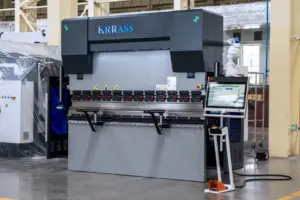
KRRASS is an experienced sheet metal equipment manufacturing partner that can help you take your design from concept to technical production line. Whether you are a startup looking to bring a new product to market or an established company seeking to streamline your manufacturing processes, our team can provide the expertise and support you need.
At KRRASS, we understand the importance of manufacturability and how it can impact the success of your product. Our team of experts is equipped with the latest tools and technologies to provide a comprehensive design for manufacturing (DFM) analysis. We will work closely with you to optimize your sheet metal processing line and identify potential problems early to minimize the risk of production delays or quality issues.
Our manufacturing facilities are equipped with the latest equipment and technology. We can meet the needs of a variety of industries, including aerospace, automotive, medical, and consumer products.
When you partner with KRRASS, you can trust that your sheet metal fabrication equipment will be delivered on time, on budget, and with the highest quality standards. Contact us today to learn more about how we can help bring your design to life and accelerate your time to market.