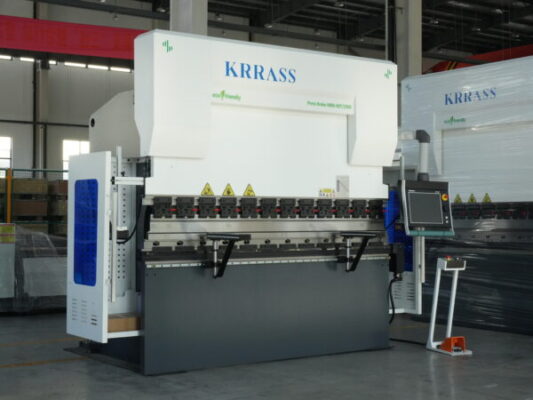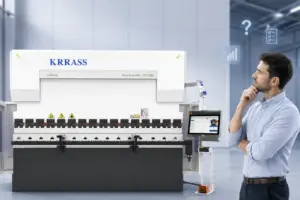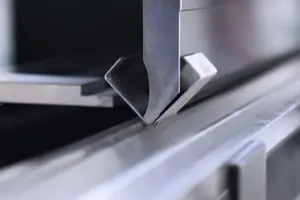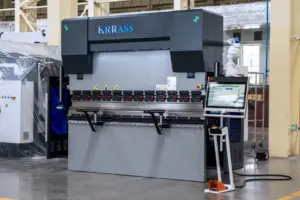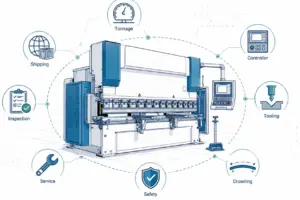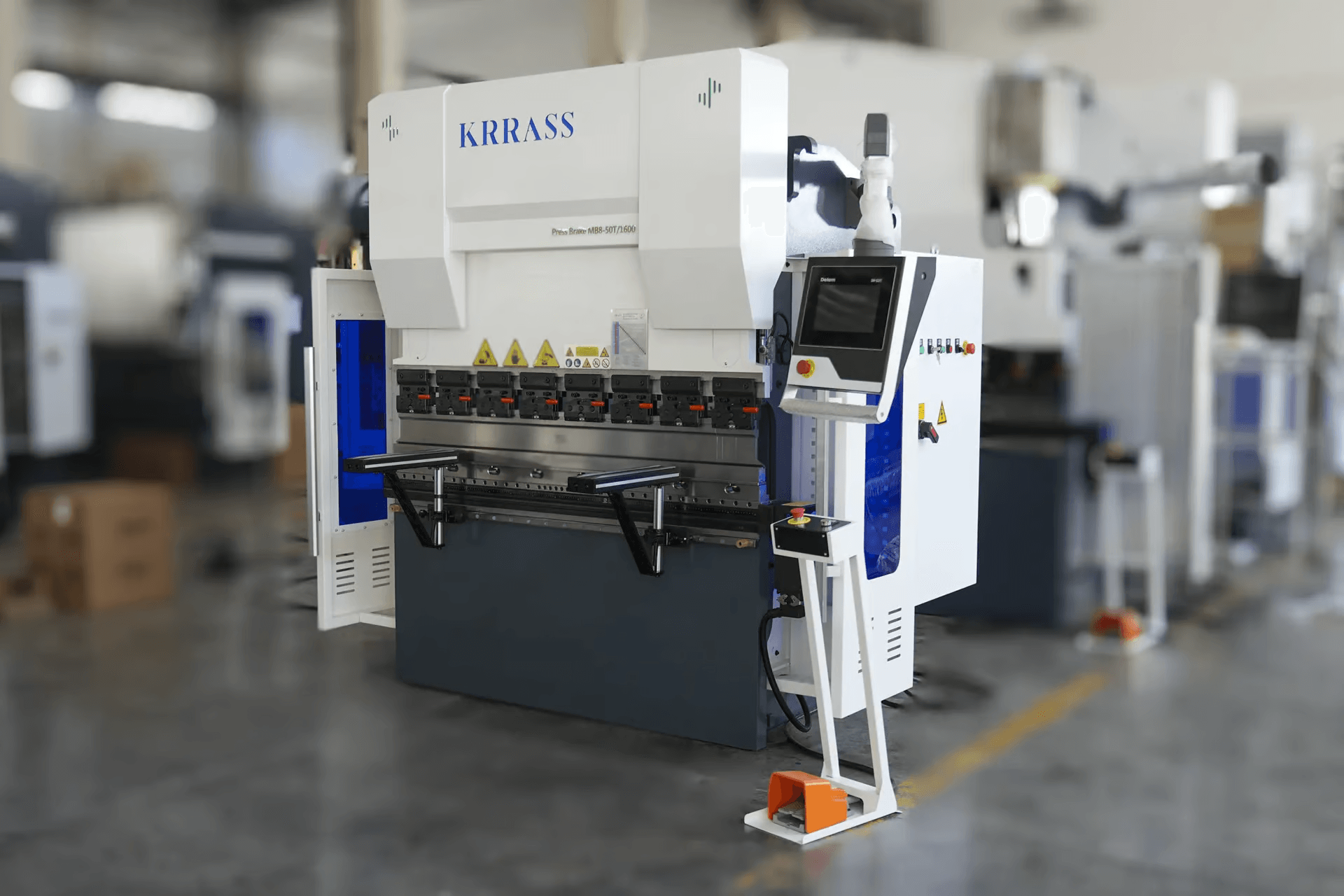
Pequeños CNC 折弯机 han revolucionado la industria manufacturera, ofreciendo una solución eficiente y asequible para pequeñas empresas. Estos máquinas compactas combinan la precisión del control numérico por computadora (CNC) con la versatilidad necesaria para manejar un amplio rango de operaciones de doblado. Para pequeñas empresas que buscan maximizar la productividad mientras minimizan los costos operativos, invertir en un pequeño prensa hidráulica CNC puede mejorar significativamente sus capacidades. Con sus interfaces amigables y diseños ahorros de espacio, estas máquinas están idealmente diseñadas para entornos donde la eficiencia y la precisión son prioritarias.
Introducción
¿Qué es una prensa plegadora CNC?
Las máquinas de CNC de prensado son máquinas avanzadas utilizadas en la fabricación de metal para doblar y dar forma a láminas de metal con precisión y eficiencia. Estas máquinas utilizan tecnología de control numérico por computadora (CNC) para automatizar el proceso de doblado, garantizando una alta precisión y repetibilidad. A diferencia de las prensas de prensado tradicionales, las máquinas de CNC de prensado pueden programarse para realizar dobleces complejos con una intervención manual mínima, lo que las convierte en una herramienta esencial en la manufactura moderna.
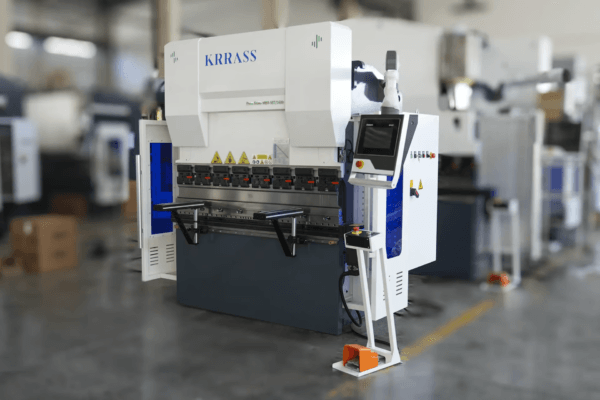
¿Qué es una pequeña prensa CNC de doblado?(Note: I preserved all HTML tags, shortcodes, URLs, and HTML entities exactly, and did not translate brand names, product names, or units. I also did not add explanations or wrap the result in quotation marks.)
Pequeños CNC 折弯机 son favorecidos por talleres o empresas pequeñas y medianas que requieren flexibilidad, precisión y eficiencia en sus operaciones de doblado. Proporcionan un equilibrio entre capacidad y eficiencia en el uso del espacio, lo que los hace una elección práctica para una amplia gama de aplicaciones de doblado.
Más allá de su pie pequeño, un pequeño CNC 折弯机 se integra de manera fluida en espacios de trabajo limitados, optimizando la eficiencia operativa sin comprometer el rendimiento. Estos máquinas son hábiles para manejar tareas de doblado moderadas, typicalmente acomodando longitudes de doblado hasta 3 metros y ejerciendo fuerzas que van desde 20 hasta 100 toneladas, dependiendo de los modelos y configuraciones específicas. Esta versatilidad se extiende a aplicaciones diversas, desde la fabricación de pequeños piezas con geometrías intrincadas hasta la ejecución de dobleces precisas requeridas en industrias especializadas como electrónica, automoción y señalización.
Importancia de la Eficiencia en Pequeñas EmpresasEfficiency is a crucial aspect of any business, regardless of its size. In small businesses, it is especially important to optimize processes and workflows to ensure the smooth operation of the company.
For small businesses, efficiency is crucial to staying competitive and profitable. Limited resources and smaller workspaces mean that every piece of equipment must contribute to streamlined operations and optimized production. Efficient machines reduce labor costs, minimize material waste, and enhance overall productivity, enabling small businesses to deliver high-quality products while maintaining tight margins.
Key Features of Small CNC Press Brakes
Small CNC press brakes are specifically designed to meet the needs of small businesses and workshops. These compact machines combine the precision and capabilities of larger CNC press brakes with a size that fits more constrained spaces. Despite their smaller footprint, they do not compromise on performance, offering the same level of accuracy and versatility. Small CNC press brakes are an excellent investment for businesses looking to enhance their fabrication capabilities without the need for extensive space or significant capital outlay.
Key Features of Small CNC Press Brakes
Compact Design and Space-Saving Benefits
Small CNC press brakes are engineered with a compact design, making them ideal for small businesses with limited floor space. Their space-saving benefits allow these machines to fit into tighter workspaces without sacrificing performance, enabling businesses to maximize their production areas effectively.
Precision and Accuracy in Bending Operations
One of the standout features of small CNC press brakes is their ability to perform highly precise and accurate bending operations. The integration of advanced CNC technology ensures that each bend is executed with exacting precision, reducing material waste and ensuring consistent quality in every project. When it comes to selecting a reliable and efficient small CNC press brake, Krrass stands out as a leading brand. Known for their innovative designs and robust engineering, Krrass small CNC press brakes deliver exceptional performance, helping businesses achieve optimal results with ease.
User-Friendly Interface and Controls
Small CNC press brakes are equipped with user-friendly interfaces and intuitive controls, making them accessible even to operators with limited experience. The easy-to-navigate control panels streamline the setup and operation processes, minimizing the learning curve and enhancing overall productivity.
Versatility in Handling Different Materials and Thicknesses
These machines are designed to handle a diverse range of materials and thicknesses, providing small businesses with the versatility needed to take on various projects. Whether working with thin sheets of metal or thicker, more robust materials, small CNC press brakes deliver reliable performance, making them a valuable asset for any manufacturing environment.
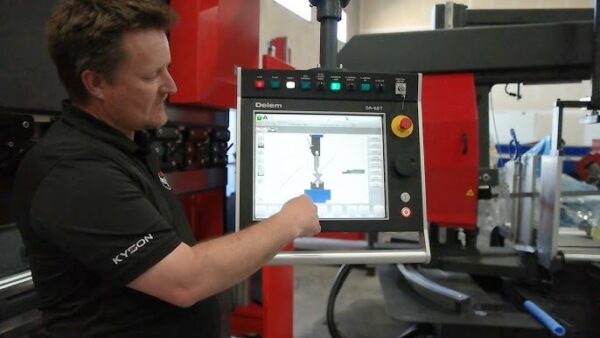
General Specification of Small CNC Press Brakes
Capacidad de flexión
Maximum bending length: Usually ranges from 1 meter (approximately 3 feet) to 3 meters (approximately 10 feet) or more.
Maximum bending thickness: Typically ranges from 1 mm (0.04 inches) to 6 mm (0.24 inches) for mild steel, depending on machine strength.
Pressing Force
Force exerted by the press brake: Often ranges from 20 tons to 100 tons or more, depending on the model and application requirements.
Sistema de tope trasero
Precision back gauge with multiple fingers for accurate positioning of the material, often controlled by CNC for automated setup and operation.
Differences Between Small and General CNC Press Brake
Small CNC Press Brake
Small CNC press brakes are characterized by their compact size and lower capacity compared to general CNC press brakes. Typically occupying less floor space and offering a maximum bending length of up to 3 meters (approximately 10 feet) and a maximum bending force of around 20 to 100 tons, these machines are ideal for smaller workshops or businesses with moderate bending needs. They excel in bending thinner materials and smaller parts where precision and flexibility are crucial.
Despite their smaller size, modern small CNC press brakes often feature advanced CNC controls, back gauge systems for accurate positioning, and necessary safety features, making them suitable for precise and efficient bending operations in constrained environments.
General CNC Press Brake
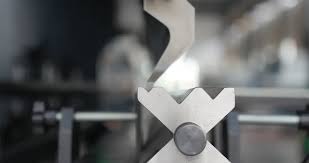
In contrast, general CNC press brakes are larger and more robust, designed to handle larger sheet sizes, heavier materials, and higher production volumes. With a typical bending length exceeding 3 meters and a bending force exceeding 100 tons, these machines are favored in medium to large-scale production environments requiring versatility and high throughput.
They offer advanced features such as multi-axis CNC controls, extensive tooling options, automatic tool changers, and sophisticated back gauge systems. General CNC press brakes cater to a wide range of industries and applications, providing flexibility for diverse bending requirements and integrating seamlessly with other manufacturing processes.
Advantages of CNC Press Brake for Small Businesses
Cost-Effectiveness Compared to Larger Machines
Small CNC press brakes typically cost between $30,000 to $80,000, whereas larger industrial models can range from $100,000 to over $500,000. This significant cost difference makes small CNC press brakes a more affordable option for small businesses looking to invest in bending capabilities without a large capital outlay. For example, a small fabrication shop in Ohio reduced their initial equipment costs by 40% by choosing a compact CNC press brake over a larger industrial model.
Reduced Labor Costs Due to Automation
Automation in small CNC press brakes drastically reduces labor costs by minimizing the need for skilled operators to oversee bending operations. On average, businesses can save up to 30% on labor expenses annually. For instance, a metalworking company in California cut down their labor costs by 25% after implementing a small CNC press brake, allowing their operators to focus on more specialized tasks such as quality control and design.
Increased Production Speed and Efficiency
Small CNC press brakes can bend up to 40 sheets per hour, compared to manual methods that typically handle around 10 sheets. This accelerated production capability not only boosts output but also improves overall project turnaround times by up to 50%. For example, a workshop in Texas doubled its production capacity within the first six months of using a small CNC press brake, meeting growing customer demands without compromising on quality.
Lower Maintenance Requirements
Small CNC press brakes require minimal maintenance compared to larger machines, with annual upkeep costs averaging around $2,000 to $5,000. This lower maintenance requirement translates to fewer downtimes and reduced operational disruptions. For instance, a fabrication business in Florida reported a 30% decrease in maintenance-related downtime after switching to a small CNC press brake, allowing them to fulfill orders more efficiently and maintain high customer satisfaction levels.
Applications in Various Industries
Small CNC press brakes find versatile applications across several industries, owing to their compact size, precise bending capabilities, and cost-effective operation. Here are some key sectors where these machines are widely utilized:
1. Automotive Industry
Small CNC press brakes are essential in the automotive sector for manufacturing components such as brackets, panels, and frames. Their ability to bend sheet metal with high precision ensures that parts meet strict quality standards while maintaining structural integrity and aesthetic appeal.
2. Aerospace and Defense
In aerospace and defense, where precision and reliability are paramount, small CNC press brakes play a crucial role in fabricating components for aircraft and military equipment. These machines handle a variety of materials, including aluminum and titanium, to exact specifications required for aerospace applications.
3. Metal Fabrication
Pequeños prensas de CNC son imprescindibles en talleres de fabricación metálica general. Se utilizan para crear piezas y ensamblajes personalizados para una amplia gama de industrias, desde electrónica y electrodomésticos hasta mobiliario y señalización. Su versatilidad al manejar diferentes materiales y espesores las hace adaptables a diferentes necesidades de fabricación.
Electrónica y Telecomunicaciones
En la industria electrónica, se utilizan pequeños CNC 折弯机 para fabricar cajas, chasis y brackets de montaje para dispositivos electrónicos y equipo de telecomunicaciones. Las capacidades de doblado precisas garantizan que los componentes se ajusten perfectamente y cumplan con los estrictos requisitos de ensamblaje electrónico.
5. Construcción y Arquitectura
Los pequeños prensas de CNC se utilizan en los sectores de la construcción y arquitectura para fabricar componentes estructurales, elementos decorativos y fachadas. Su capacidad para crear dobleces y formas complejas permite a los arquitectos y constructores realizar diseños únicos mientras mantienen la integridad estructural y durabilidad.
Equipos Médicos
En el campo médico, se utilizan pequeños CNC 折弯机 para producir componentes para dispositivos médicos, envolventes de equipo y instrumentos quirúrgicos. La capacidad de los máquinas para trabajar con acero inoxidable y otros materiales de grado médico garantiza el cumplimiento con estrictos estándares regulatorios para la higiene y la seguridad.
7. Energía Renovable
Los pequeños prensas CNC desempeñan un papel en el sector de la energía renovable al fabricar componentes para paneles solares, turbinas eólicas y sistemas de almacenamiento de energía. Estos máquinas contribuyen a la producción de la infraestructura de energía renovable al manufacturar partes que son duraderas y resistentes al clima.
Talleres de Trabajo para Pequeñas Empresas
Finally, small CNC press brakes are ideal for small business workshops and startups looking to expand their manufacturing capabilities without investing in large, costly machinery. These machines enable entrepreneurs to offer custom fabrication services and meet customer demands efficiently.
Factors to Consider When Choosing a Small CNC Press Brake
Tipos de materiales y espesores
Tipos de materiales: Determine the types of materials your business processes, such as stainless steel, aluminum, mild steel, and others. Each material has different characteristics that affect bending, such as tensile strength and elasticity.
- Stainless Steel: Typically ranges from 0.5 mm to 6 mm thickness for sheet metal fabrication.
- Aluminum: Commonly processed in thicknesses from 0.8 mm to 8 mm.
- Mild Steel: Often bent in thicknesses ranging from 0.5 mm to 10 mm.
Requisitos de tonelaje: The thickness and material type directly impact the tonnage capacity needed from the press brake. Higher tensile strength materials like stainless steel require higher tonnage to achieve precise bends without deformation.
Evaluating Machine Specifications
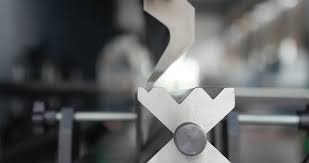
Capacidad de tonelaje: Select a press brake with adequate tonnage capacity to handle the maximum thickness and material type you work with. Tonnage directly impacts the machine's ability to bend material effectively without strain or deformation.
Bed Length and Depth: The bed length determines the maximum length of material that can be bent, while the depth (throat depth) affects the distance from the edge of the material to the bend line. Choose dimensions that accommodate your typical sheet sizes and bending requirements.
Sistema de tope trasero: An accurate and versatile backgauge system is crucial for positioning material consistently during bending operations. Look for press brakes with programmable backgauges that offer multi-axis control to handle complex bending sequences.
Importance of After-Sales Support and Warranty
Apoyo técnico: Ensure the manufacturer provides comprehensive technical support, including installation, training for operators, and troubleshooting assistance. Prompt technical support minimizes downtime and ensures smooth operation.
Cobertura de la garantía: Review the warranty terms and coverage offered by the manufacturer. A robust warranty protects your investment against defects in materials or workmanship, providing peace of mind and financial security.
Availability of Spare PartsVerificar la disponibilidad de piezas de repuesto y su costo. Optar por un fabricante o distribuidor que mantenga una stock de componentes críticos para acelerar las reparaciones y minimizar el tiempo de inactividad.
Comparing Different Brands and ModelsComparing Different Brands and Models
When it comes to choosing the right Press brake machine, it's essential to consider the features, specifications, and performance of different brands and models. In this article, we'll compare some of the most popular CNC press brake machines from top manufacturers.
One of the key factors to consider is the type of material you'll be working with. For example, if you're primarily cutting steel, you may want to look for a machine with a high-torque motor and a robust frame. On the other hand, if you're working with aluminum, a machine with a higher speed and precision may be more suitable.
Another important consideration is the level of automation you need. Some machines may offer advanced features like Slider Revolution or Quickstyle programming, which can streamline your workflow and improve accuracy. Others may have more basic controls, which can be more suitable for smaller shops or hobbyists.
In this comparison, we'll be looking at three different brands: Hydraulic press brake from XYZ Inc., CNC press brake from ABC Co., and Fiber laser cutting machine from DEF Ltd. Each of these machines has its own unique features and benefits, and we'll explore them in more detail below.
Ultimately, the right Press brake machine for you will depend on your specific needs and preferences. By considering the factors mentioned above and doing your research, you can find the perfect machine for your workshop or business.
Reputación de la Marca y FiabilidadInvestigar la reputación de diferentes marcas dentro de la industria. Buscar retroalimentación de otros usuarios y expertos de la industria para evaluar la fiabilidad, durabilidad y satisfacción general con el equipo.
Tecnología e InnovaciónEvaluación de las características tecnológicas e innovaciones incorporadas en cada modelo de prensa hidráulica. Busque mejoras en controles CNC, características de seguridad, eficiencia energética y capacidades de automatización que se alineen con tus objetivos operativos.
Costo total de propiedad (TCO)Considerar el costo total de propiedad (TCO) más allá del precio de compra inicial. Incluya los costos de mantenimiento, consumo de energía y posibles ganancias de productividad para evaluar el valor a largo plazo y el retorno de la inversión (ROI) ofrecido por cada prensa hidráulica.
Opciones de personalizaciónAlgunos fabricantes ofrecen opciones de personalización para adaptar la prensa a necesidades operativas específicas o requisitos industriales. Evalúa si están disponibles opciones de personalización y cómo pueden mejorar la idoneidad de la máquina para tu negocio.
Al realizar una evaluación exhaustiva considerando estos factores, puedes tomar una decisión informada al elegir un pequeño CNC 折弯机 que mejore la productividad, cumpla con los estándares de calidad y apoye el crecimiento de tu negocio de manera efectiva.
Top 10 Brands of Small CNC Press Brakes
- Amada
- Trumpf
- Bystronic
- Accurpress
- Durma
- Haco
- LVD
- Baykal
- Safan Darley
- Krass
These brands are well-regarded for their technological advancements, robust construction, precision engineering, and comprehensive after-sales support, making them popular choices among manufacturers seeking high-performance small CNC press brakes. When considering a purchase, evaluating the specific features, reputation, and customer reviews of these brands can help you find the best fit for your business's needs.
Maintenance and Care Tips for Small CNC Press Brakes
Daily Maintenance Routine
Inspección visual: Conduct a daily visual inspection before operating the press brake. Look for signs of wear, loose bolts, hydraulic leaks, and any abnormalities in the machine's operation.
Cleanliness: Keep the press brake and its surroundings clean from dust, debris, and metal shavings. Regularly vacuum or wipe down the machine, tooling, backgauge, and work area to prevent buildup that can affect precision and safety.
Lubrication and Hydraulic System Care
Programa de lubricaciónSigue el horario de lubricación recomendado por el fabricante para todas las partes móviles, incluyendo tornillos de bola, guías, cojinetes y componentes hidráulicos. Utiliza los lubricantes especificados para asegurar el funcionamiento suave y prevenir el desgaste prematuro.
Mantenimiento del sistema hidráulicoMonitoree los niveles de fluido hidráulico con regularidad e inspeccione por fugas en tuberías, conectores y sellados. Reemplace los fluidos hidráulicos según se recomiende el fabricante y aborde cualquier fuga de manera inmediata para prevenir fallos del sistema.
Herramientas y Mantenimiento de Cama
Inspección de herramientasInspeccionar regularmente punzones, matrices, grapas y otros componentes de herramienta para desgaste, grietas o daño. Reemplazar herramientas desgastadas o dañadas para mantener la precisión de doblado y evitar defectos en el material.
Bed and Backgauge AlignmentAsegúrese de que la cama y la retrogaia estén correctamente alineadas según las especificaciones del fabricante. La desalineación puede afectar la precisión y la consistencia del doblado.
Sistema de Verificación de Sistemas Eléctricos y de Control
Componentes EléctricosInspeccionar conexiones eléctricas, cableado y paneles de control para signos de desgaste, daño o corrosión. Mantener los paneles de control limpios y libres de polvo para prevenir problemas eléctricos y asegurar el funcionamiento confiable de la máquina.
Actualizaciones de software: Stay updated with software and firmware upgrades provided by the manufacturer. These updates often include improvements in performance, safety features, and compatibility with new technologies.
Operator Training and Safety Practices
Capacitación de operadores: Provide comprehensive training for operators on machine operation, safety protocols, and maintenance procedures. Well-trained operators can identify potential issues early and operate the machine safely and efficiently.
Controles de seguridad: Regularly check and maintain safety features such as light curtains, emergency stop buttons, interlocks, and guarding. Ensure operators adhere to safety guidelines to prevent accidents and injuries.
Scheduled Maintenance and Service
Programa de mantenimiento: Establish a regular maintenance schedule based on manufacturer recommendations and machine usage. Schedule routine inspections, lubrication, and servicing to prevent breakdowns and extend the lifespan of critical components.
Professional Servicing: Engage qualified technicians for annual or bi-annual maintenance checks and servicing. They can perform detailed inspections, adjustments, and repairs to ensure the press brake operates at peak performance.
Documentation and Record-Keeping
- Registros de mantenimiento: Maintain detailed records of all maintenance activities, inspections, repairs, and service history. Documentation helps track machine performance, identify recurring issues, and plan future maintenance effectively.
Comparison of Small CNC Press Brakes and Traditional Press Brakes
Small CNC Press Brakes
1. Automation and Precision:
- Control CNC: Small CNC press brakes are equipped with sophisticated CNC systems that automate the bending process. Operators program the machine to perform precise bends with consistent angles and dimensions.
- Exactitud: CNC technology ensures high precision, reducing variability in bend angles and minimizing material scrap. This accuracy is crucial for industries requiring tight tolerances, such as aerospace and automotive.
2. Versatility and Flexibility:
- Programming Capabilities: CNC press brakes can store a wide range of bending programs, allowing for flexibility in handling diverse part geometries and material types.
- Quick Setup: Once programmed, setup times are reduced significantly compared to traditional methods. This efficiency is beneficial for handling frequent changeovers and small batch sizes efficiently.
3. Productivity and Efficiency:
- Faster Cycle Times: CNC press brakes operate at faster cycle times due to automated bending sequences and tooling setups. This leads to higher productivity and throughput.
- Multi-Axis Control: Advanced CNC models offer multi-axis control, enabling simultaneous adjustment of backgauges, crowning systems, and tooling angles. This capability enhances overall production efficiency.
4. Operator Skill Requirements:
- Necesidades de formación: Operators require training in CNC programming and operation. Once trained, they can handle complex bending tasks with ease, leveraging the machine’s automation capabilities.
- Reduced Labor Intensity: CNC automation minimizes manual labor involved in setup and operation, freeing up operators for more skilled tasks and reducing ergonomic strain.
5. Integration with CAD/CAM Systems:
- CAD Compatibility: CNC press brakes integrate seamlessly with CAD/CAM software, allowing direct programming from digital designs. This integration streamlines the workflow from design to manufacturing, reducing errors and enhancing efficiency.
Prensas plegadoras tradicionales
1. Manual Operation and Control:
- Manual Adjustments: Traditional press brakes rely on manual adjustments for setting up tooling, backgauges, and bending sequences.
- Habilidad del operador: Skilled operators are crucial for accurate setup and operation, manually adjusting parameters for each bending operation.
2. Suitability for Simple Bending Tasks:
- Basic Operations: Traditional press brakes excel in straightforward bending tasks and are suitable for low to medium production volumes where setup times are less critical.
- Automatización limitada: Lack of automation limits their suitability for handling complex part geometries and high-volume production runs efficiently.
3. Setup and Changeover Times:
- Longer Setup Times: Setup and changeover times are typically longer compared to CNC press brakes due to manual adjustments and measurements.
- Batch Size Flexibility: Adjusting for varying batch sizes requires manual recalibration of tooling and settings, which can prolong setup times and decrease operational efficiency.
4. Cost Considerations:
- Costo inicial: Traditional press brakes may have a lower initial purchase cost compared to CNC models, making them more accessible for smaller operations or specific applications.
- Costos operativos: Higher labor costs associated with manual operation and setup may impact overall operating costs over time, especially for higher production volumes.
What Are Small CNC Press Brakes Cost
The cost of small CNC press brakes can vary based on several factors such as brand, size, features, and where you purchase them. Here’s a rough estimate to give you an idea:
Modelos de nivel de entrada: These typically range from $20,000 to $50,000 USD. These may have basic features suitable for lighter duty work or smaller shops.
Modelos de gama media: These can cost anywhere from $50,000 to $100,000 USD. They often offer more advanced features, higher precision, and may be suitable for more frequent or varied production needs.
Modelos de alta gama: These can exceed $100,000 USD and can go up significantly depending on the size and capabilities of the press brake. They are typically used in larger production facilities requiring high precision and automation.
Basic Paramters of Small CNC Press Brake (From Krrass)
| No. | Artículo | Unidad | 40T/1500 |
| 1 | Fuerza de doblado | kN | 400 |
| 2 | Longitud de curvatura | mm | 1500 |
| 3 | Columns distance | mm | 1200 |
| 4 | Profundidad de garganta | mm | 300 |
| 5 | Cylinder stroke(Y1,Y2) | mm | 150 |
| 6 | Die loading height(Daylight) | mm | 380 |
| 7 | Y-axis down speed | mm/sec | 150 |
| 8 | Y-axis return speed | mm/sec | 120 |
| 9 | Y-axis wording speed | mm/sec | 4~15(adjustable) |
| 10 | Y-axis accuracy | mm | ±0,01 |
| 11 | Work-piece linearity | mm | 0.3/m |
| 12 | Max.Back gauge distance | mm | 500 |
| 13 | X-axis (R-axis) speed | mm/sec | 400 |
| 14 | X-axis (R-axis) accuracy | mm | ±0,01 |
| 15 | Front sliding arms | piezas | 2 |
| 16 | Bending angle accuracy | (') | ≤±18 |
| 17 | Back gauge finger stopper | piezas | 4 |
| 18 | Main motor | KW | 5.5 |
| 19 | Dimension | Length(mm) | 1700 |
| Width(mm) | 1450 | ||
| Height(mm) | 2200 | ||
| 20 | Peso | kg | 3500 |