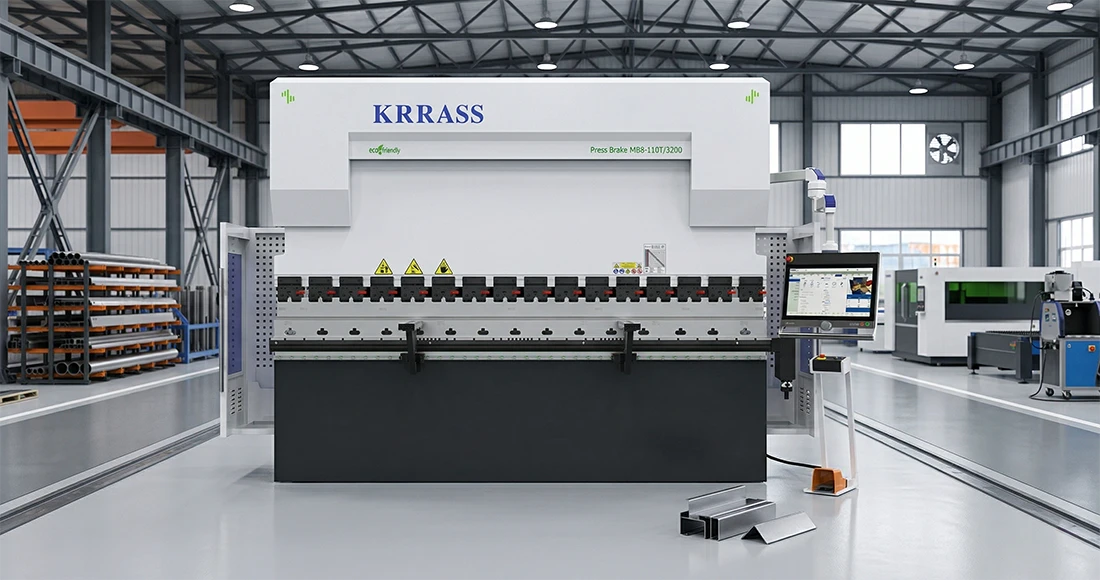
The global landscape of sheet metal fabrication is undergoing a profound transformation. In modern manufacturing, the pursuit of high precision and rapid production cycles must be carefully balanced with environmental sustainability and operational energy costs. Traditional hydraulic press brakes, while powerful, rely on standard asynchronous induction motors that run continuously at full speed, pumping hydraulic fluid even when the machine is idle or the operator is programming a new bend sequence. This continuous operation leads to massive energy waste, excessive heat generation in the hydraulic oil, and accelerated wear on internal components.
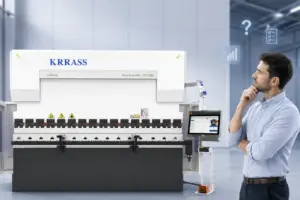
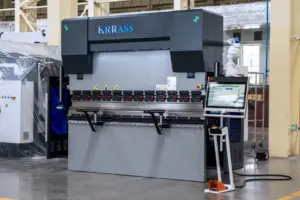
To address these critical industry challenges without compromising on raw bending power, KRRASS developed the PBS Series Main Motor Servo листогибочный пресс с ЧПУ.
The defining characteristic of the PBS Series is its intelligent integration of servo-driven main motor technology. This advanced powertrain configuration means the main motor only consumes significant energy when the machine ram is actually moving. During standby, tool changeovers, or material handling, the motor idles or stops, resulting in dramatic energy savings. However, the PBS Series is not merely about eco-friendly operation; it is a masterclass in industrial engineering designed for top-tier fabrication environments.
By investing in the KRRASS PBS Series, manufacturers are adopting a future-proof solution. This machine offers extraordinary durability, rapid response times, and micrometer-level precision. It is built for facilities that operate under strict quality control standards, such as aerospace, automotive, and high-end telecommunications manufacturing. The PBS Series eliminates the hidden costs of machine downtime, frequent maintenance, and material scrap, providing an exceptional return on investment through relentless reliability and unmatched angular accuracy.
(For broader insights into how servo technologies are revolutionizing industrial manufacturing efficiency, you can refer to authoritative engineering resources like the IEEE Industrial Electronics Society.)
Оглавление
Unyielding Structural Integrity: The Bedrock of High-Precision Bending
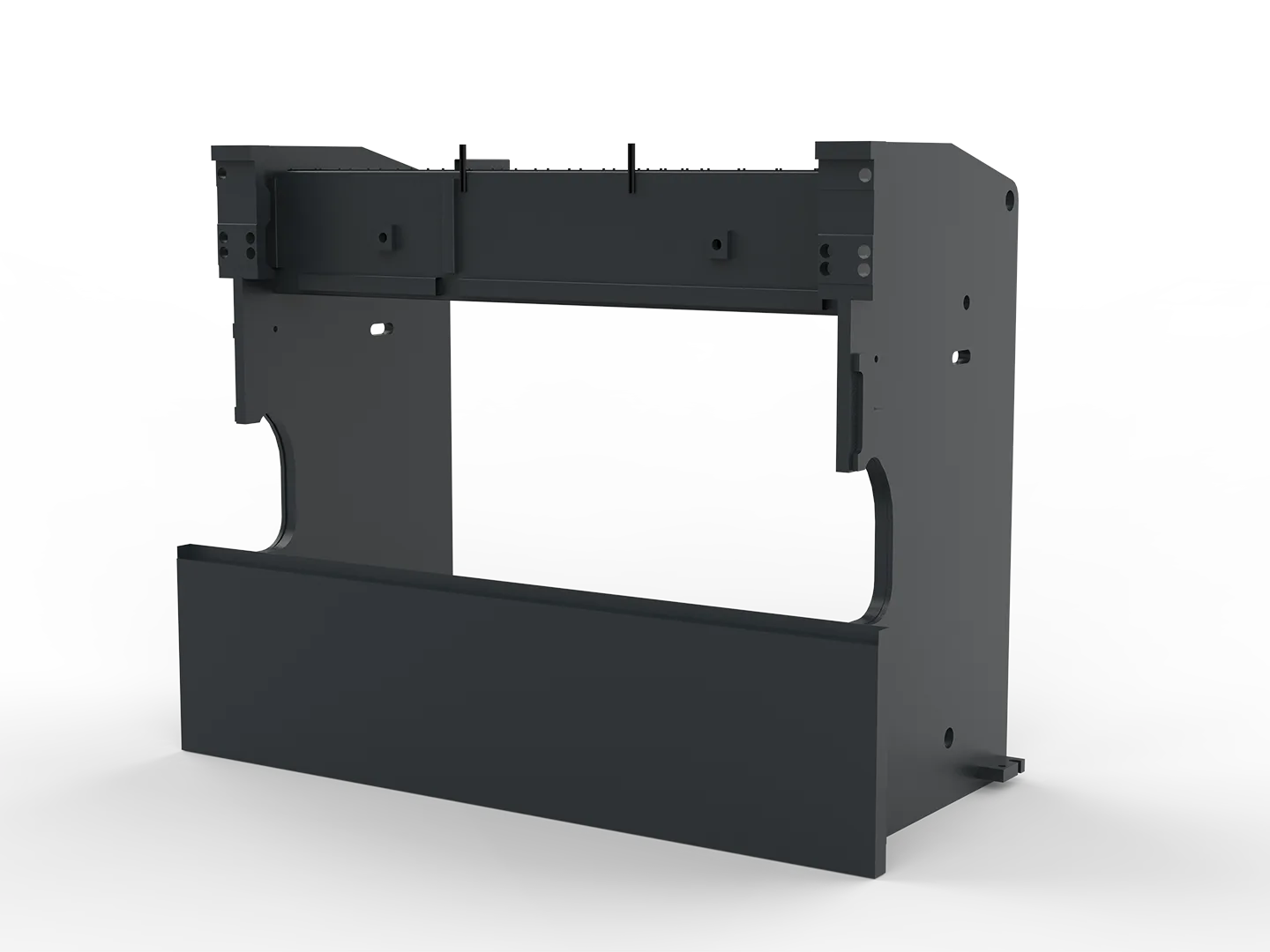
In the realm of metal forming, precision is a direct byproduct of structural rigidity. When a press brake applies hundreds of tons of force to bend high-tensile steel, the machine's frame—comprising the side housings, upper ram, and lower bed—undergoes immense mechanical stress. If the frame is not engineered to withstand these forces, it will experience microscopic, and sometimes macroscopic, deflection. Frame yielding leads directly to inconsistent bend angles, rendering advanced CNC controls and expensive tooling useless.
KRRASS refuses to compromise on the physical foundation of the PBS Series. Every machine is born from a rigorous, science-driven design and manufacturing process that ensures absolute structural integrity.
Advanced Finite Element Analysis (FEA)
The structural blueprint of the PBS Series is perfected in the digital realm long before physical manufacturing begins. KRRASS utilizes state-of-the-art Computer-Aided Engineering (CAE) software, such as SOLIDWORKS, to conduct comprehensive Finite Element Analysis (FEA).
Through FEA, engineers apply complex load simulations, evaluating linear static construction, dynamic stress, and potential deformation under maximum tonnage conditions. By simulating years of heavy, continuous industrial use, KRRASS pinpoints stress concentration zones and heavily reinforces them. This guarantees that the machine frame remains exceptionally stable, absorbing vibrations and resisting the torsional forces that typically degrade the accuracy of lesser machines over time.
Premium Materials and Thermal Stress Relief
The physical construction of the PBS Series is as impressive as its digital design.
- High-Yield Steel: The entire frame is constructed from premium-grade steel plates supplied by internationally certified metallurgical vendors, ensuring optimal tensile strength and yield characteristics.
- Thermal Annealing: After the heavy steel plates are precisely welded together, the entire machine frame is placed into a massive industrial oven for thermal annealing. The frame is heated to extremely high temperatures and slowly cooled. This critical process relieves all internal stresses created during the welding phase. Without thermal stress relief, a welded frame will naturally warp and distort over its lifespan.
- Single-Setup Machining: Following the stress-relief process, the frame is machined on ultra-precise, large-scale CNC pentahedron floor-type boring and milling centers in a single setup. This ensures that all mounting surfaces for the hydraulic cylinders, linear guides, and backgauge systems are perfectly parallel and perpendicular, establishing a flawless geometric baseline for the machine.
When a fabricator relies on the KRRASS PBS Series, they are operating on a platform engineered for generational durability, capable of maintaining its precision across decades of rigorous, multi-shift production.
The Nerve Center: Advanced DELEM CNC Control Systems (DA-66S & DA-69S)
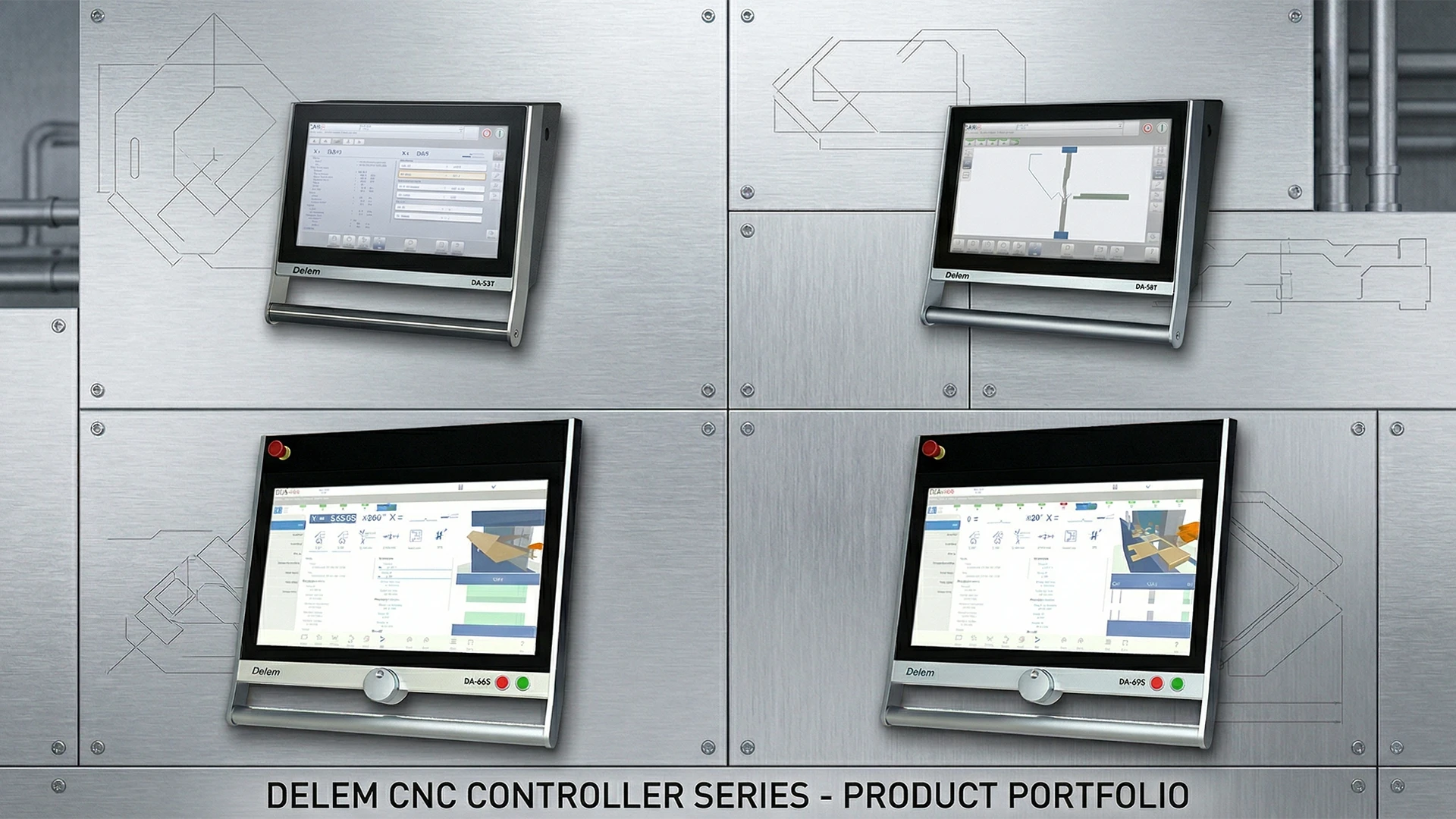
The physical power and rigidity of the PBS Series are harnessed and directed by its intelligent "nerve center": the Computer Numerical Control (CNC) system. To provide operators with an intuitive interface, lightning-fast processing speeds, and complex 3D simulation capabilities, KRRASS partners exclusively with DELEM, the globally recognized pioneer in press brake automation.
It is crucial for modern fabricators to recognize that older DELEM models (such as the DA-53T, DA-58T, DA-66T, and DA-69T) have been entirely phased out and upgraded. The KRRASS PBS Series is equipped with the latest generation of DELEM controllers—the DA-53Tx, DA-58Tx, DA-66S, and DA-69S—which offer significantly enhanced processing power, modernized Windows-based environments, and superior networking capabilities for Industry 4.0 integration.
The DELEM DA-66S Controller: Streamlined 2D/3D Excellence
For the vast majority of high-precision fabrication needs, the PBS Series comes equipped with the DELEM DA-66S. This controller is a powerhouse of productivity, designed to reduce programming time from minutes to mere seconds.
- Immersive Visual Interface: The DA-66S features a massive 24-inch high-resolution color TFT display (1920 x 1080 pixels) with 32-bit color depth. This massive real estate allows operators to view complex part geometries and machine parameters simultaneously without eye strain.
- Intuitive IR-Touch Control: The industrial-grade infrared touch screen allows for rapid 2D graphical programming. Operators simply draw the profile of the part on the screen, and the controller automatically calculates the optimal bending sequence.
- 3D Simulation: Before the machine moves, the DA-66S utilizes its 3D graphics acceleration to simulate the entire bending process on screen, instantly highlighting potential collisions between the part, the tooling, or the machine frame.
- Offline Software Integration: The controller is fully compatible with Delem's Profile-S2D offline software. Engineers can program parts in the office and push them to the machine via the factory network, ensuring the press brake never stops producing to wait for a program.
The DELEM DA-69S Controller: The Ultimate 3D Manufacturing Hub
For environments that process highly complex, multi-stage 3D geometries—such as advanced aerospace components or intricate telecommunications enclosures—the PBS Series can be upgraded to the DELEM DA-69S.
- Full 3D Programming: The DA-69S offers complete 3D and 2D graphical touch screen programming. It allows the operator to import 3D CAD files directly at the machine interface.
- Advanced Kinematics: The elevated processing power of the DA-69S effortlessly manages the kinematics of complex 8+ axis setups, dynamically coordinating the main servo motors, intelligent crowning, and multi-axis backgauges in real-time.
- Profile-S3D Ecosystem: Paired with Profile-S3D offline software, it enables a flawless "design-to-part" workflow.
Modernizing the Workflow
Both the DA-66S and DA-69S systems feature open Windows architectures, allowing seamless integration with ERP/MRP systems. They support real-time sensor feedback, integrating flawlessly with angle measurement systems and advanced laser safety protocols, making the PBS Series a truly smart manufacturing cell.
Table 1: Comparison of the New Generation DELEM Controllers on the KRRASS PBS Series
| Feature / Capability | DELEM DA-58Tx | DELEM DA-66S | DELEM DA-69S |
|---|---|---|---|
| Best Suited For | High-efficiency 3-4 Axis setups | Advanced 6-8 Axis applications | Highly complex 8+ Axis & 3D workflows |
| Display Panel | High-Res Color TFT (IR-Touch) | 24" Widescreen (1920x1080) | 24" Widescreen (1920x1080) |
| Programming Mode | 2D-графика | 2D Graphical / 3D Simulation | Full 3D / 2D Graphical |
| Offline Software | Profile-58TL | Profile-S2D | Профиль-S3D |
| Collision Detection | Basic 2D | Advanced 3D | Comprehensive Dynamic 3D |
(For further technical specifications regarding the controllers, you can visit Delem's Official Technology Page.)
The Heart of Efficiency: Main Motor Servo Drive Technology
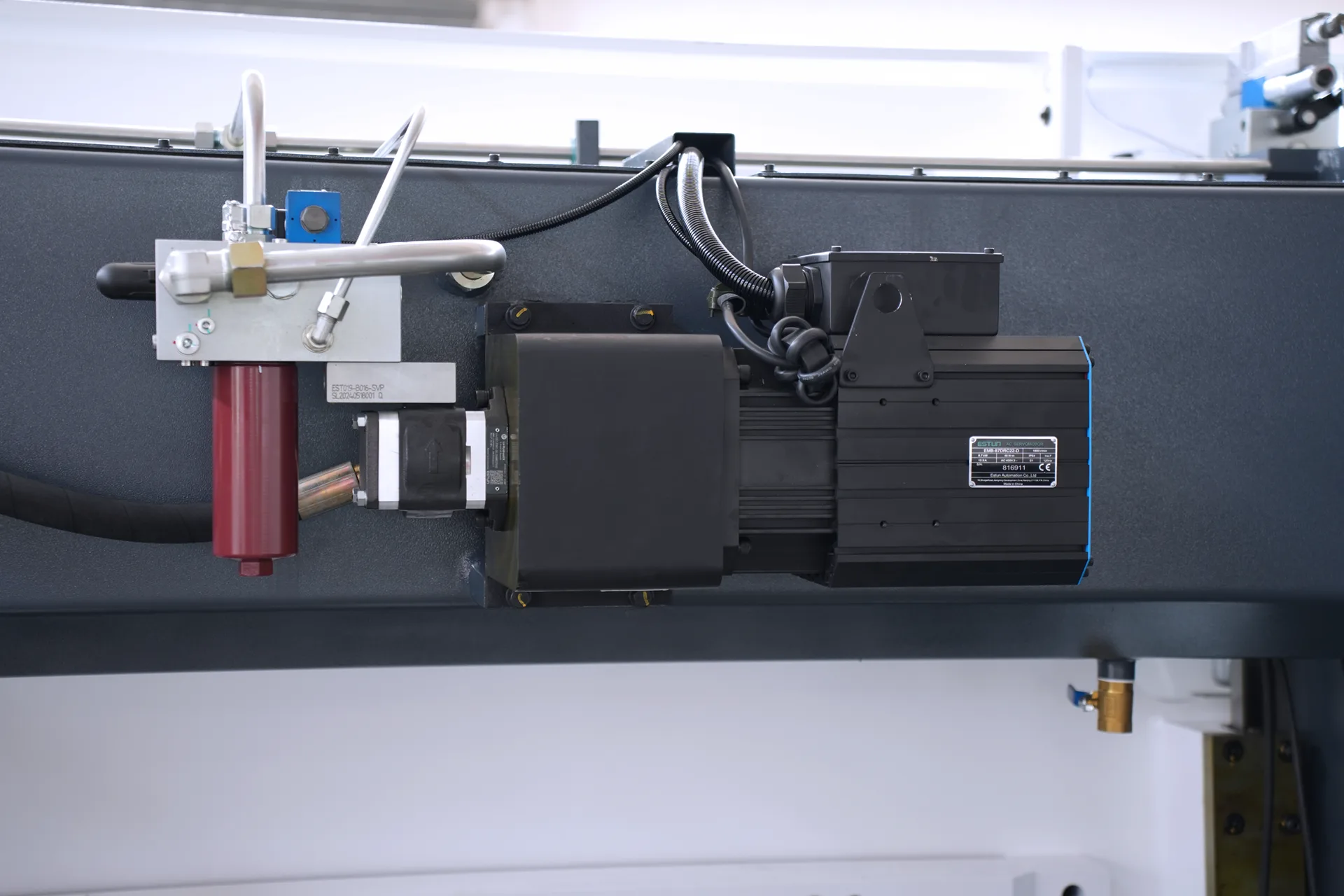
The defining technological leap of the KRRASS PBS Series lies in its revolutionary powertrain. Traditional hydraulic press brakes rely on standard asynchronous AC motors. These traditional motors turn on when the machine is powered up and run continuously at a constant speed—pumping hydraulic fluid at maximum flow regardless of whether the machine is actively bending metal, holding pressure, or completely idle while the operator adjusts tooling. This outdated approach results in massive electrical waste, rapid degradation of hydraulic oil due to overheating, and constant ambient noise in the workshop.
The KRRASS PBS Series upends this inefficient paradigm by integrating a High-Torque Main Servo Motor directly coupled to the internal gear pump. This intelligent configuration, often referred to as a "hybrid servo" or "pump-controlled servo system," fundamentally changes how energy is consumed and applied during the sheet metal fabrication process.
Intelligent Power Consumption
With the PBS Series, the DELEM CNC controller (such as the DA-66S or DA-69S) dictates the exact rotational speed of the servo motor based on the immediate requirements of the bending cycle:
- Idle State (Zero Waste): When the operator is programming, loading material, or changing tools, the main servo motor completely stops. It consumes virtually zero electricity during standby phases, which can account for up to 50% of a typical shift.
- Rapid Approach: When the ram needs to drop quickly, the servo motor instantly ramps up to high RPMs, delivering maximum oil flow to close the distance rapidly.
- Pressing and Bending: During the actual bending phase, the motor slows down, providing immense, highly controlled torque to maintain the exact pressure required for the specific material thickness and tensile strength.
The Thermal and Mechanical Advantages
The benefits of the PBS main motor servo technology extend far beyond the monthly electricity bill (which can see reductions of 40% to 60%).
Because the system only pumps oil when necessary, the hydraulic fluid does not undergo continuous sheer and friction. Consequently, the hydraulic oil remains significantly cooler. Cooler oil means that the viscosity remains stable throughout a 24-hour production cycle. In traditional machines, as oil heats up and thins out, the bending angles can drift, requiring manual offset adjustments. The PBS Series maintains absolute thermal stability, guaranteeing that the first bend of the morning is mathematically identical to the last bend of the night. Furthermore, cooler oil exponentially extends the life of the hydraulic seals, valves, and the oil itself, drastically reducing maintenance downtime.
Precision Powertrain: Advanced Hydraulics and Closed-Loop Synchronization
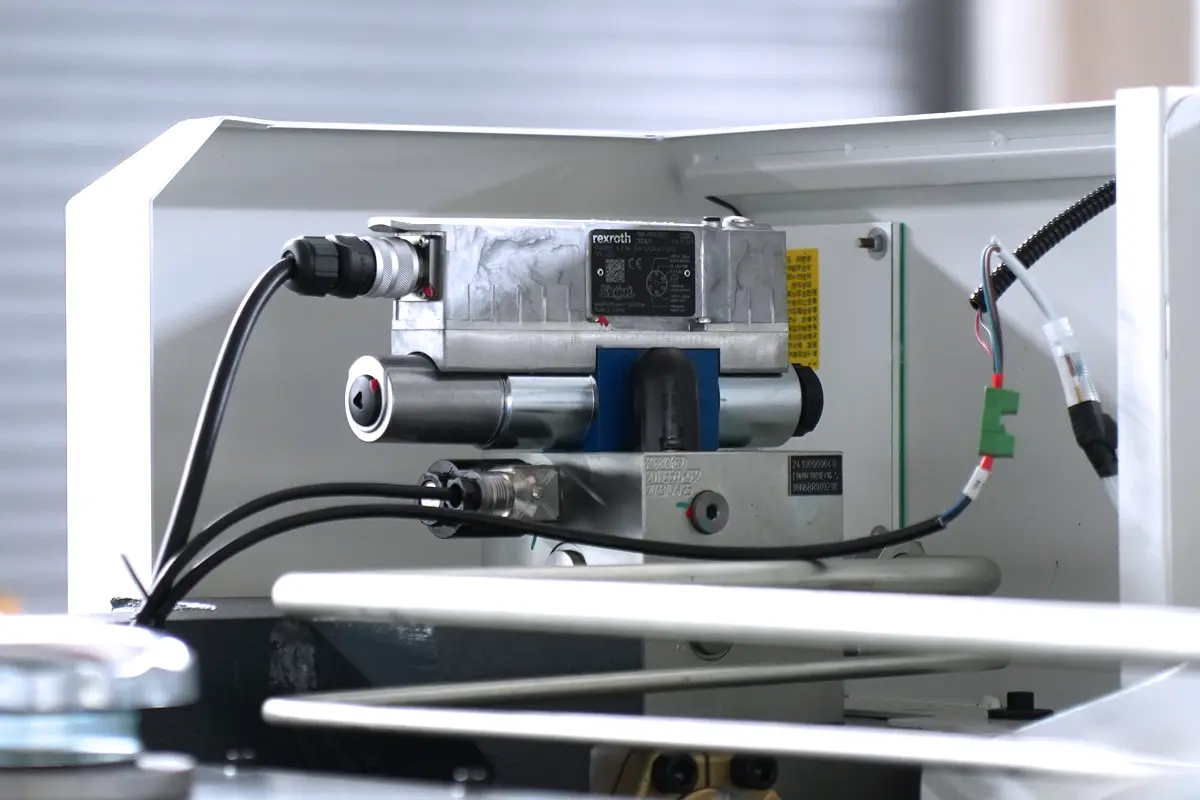
While the servo motor provides intelligent power, the precision of the bending process is governed by the hydraulic valving and the synchronization framework. The KRRASS PBS Series employs a world-class Closed-Loop Electro-Hydraulic Synchronization System to ensure the left and right hydraulic cylinders (Y1 and Y2 axes) operate with micrometer precision.
High-Frequency Bosch Rexroth Valving
To translate the servo motor's power into perfectly controlled mechanical movement, the PBS Series utilizes premium hydraulic blocks and proportional valves manufactured by Bosch Rexroth (Германия) или Hoerbiger (Germany).
- Rapid Response: These high-frequency proportional valves feature an incredibly fast response rate (up to 200Hz). This allows the DELEM controller to adjust the flow and pressure of the hydraulic oil microsecond by microsecond.
- Smooth Transitions: The advanced valving ensures that the transition between the rapid approach, the slow bending speed, and the rapid return stroke is flawlessly smooth, eliminating hydraulic shock (water hammer effect) that can damage the machine frame over time.
The Closed-Loop Feedback Mechanism
In the PBS Series, the Y1 and Y2 axes are entirely independent. How does the machine ensure the ram remains perfectly parallel to the bed? The answer lies in the closed-loop feedback architecture.
- Linear Scales: Independent optical or magnetic linear scales (typically from renowned brands like Heidenhain or Givi) are mounted on the C-frames (side plates) of the machine. Crucially, these scales are mechanically decoupled from the main frame holding the bending force, ensuring that any frame deflection under heavy tonnage does not distort the position reading.
- Continuous Monitoring: These scales continuously read the exact position of the left and right sides of the ram with an accuracy of $\pm 0.005$ mm.
- Dynamic Correction: The position data is fed back to the DELEM DA-66S/DA-69S controller in real-time. If one side of the ram encounters slightly harder material and begins to lag, the controller instantly commands the proportional valve on that specific side to increase flow.
This sophisticated synchronization allows the PBS Series to handle eccentric (off-center) loads with ease, a task that would cause severe frame damage and ruined parts on older torsion-bar NC machines. The result is a guaranteed repeatability accuracy of $\pm 0.01$ mm, placing the PBS Series in the upper echelon of high-precision metal forming equipment.
Dynamic Positioning: The Multi-Axis CNC Backgauge System
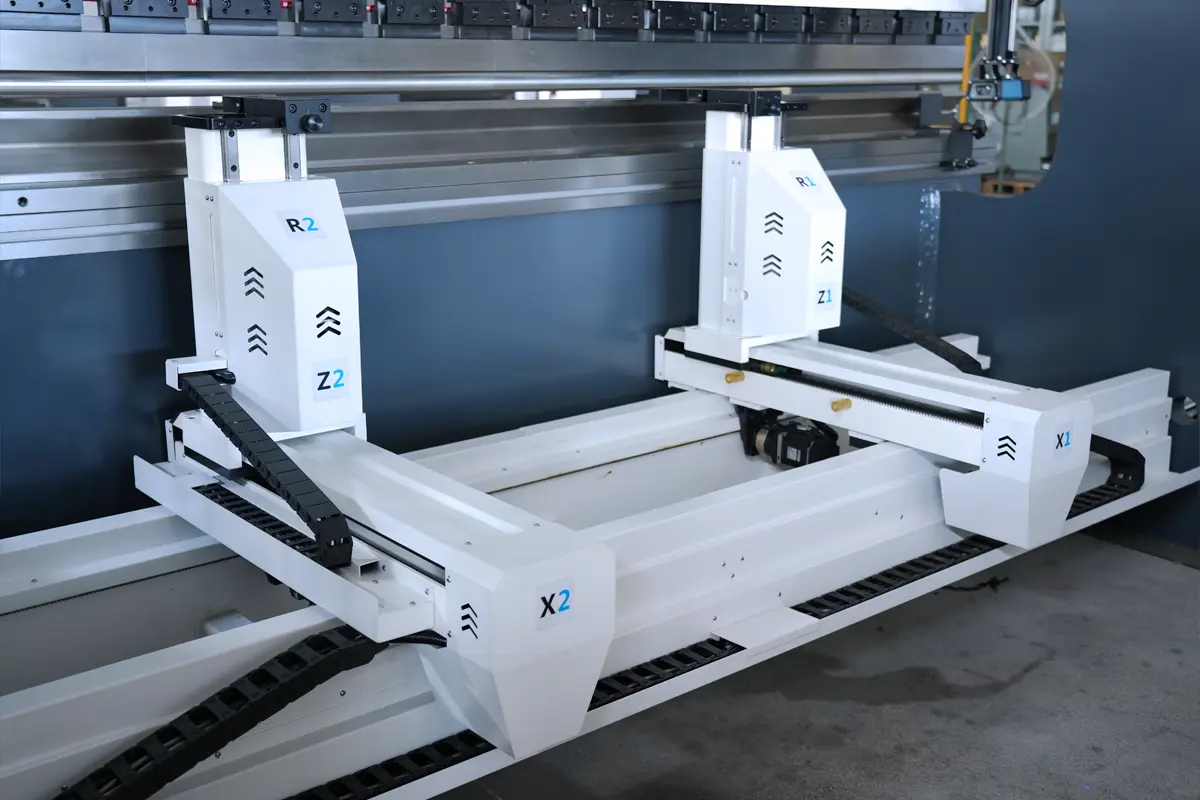
In modern CNC press brakes, the ram (Y-axis) controls the precise angle of the bend, while the backgauge system dictates the flange length. A press brake is only as capable as its backgauge. Recognizing that different fabrication shops have varying geometric demands, KRRASS equips the PBS Series with highly robust, exceptionally fast, and fully customizable backgauge systems (The BGA Series).
Engineering for Speed and Rigidity
The backgauge structure of the PBS Series is constructed from heavy-duty extruded aluminum profiles and precision-machined steel components. To ensure that the positioning fingers arrive at their designated coordinates instantly and remain locked in place under the impact of heavy steel plates, KRRASS utilizes:
- Taiwanese Hiwin Components: The critical movement axes are driven by high-precision ball screws and glide on heavy-duty linear guide rails manufactured by Hiwin.
- Servo-Driven Speed: Every CNC axis on the backgauge is driven by independent AC servo motors. The X-axis (depth) and R-axis (height) achieve travel speeds of up to 500 mm/s, while the Z-axis (left-to-right lateral movement) can reach blistering speeds of 1000 mm/s. This significantly slashes cycle times when moving between different flange lengths on a complex part.
- Mechanical Stability: The system is designed to handle extreme industrial abuse, featuring a load capacity of up to 300 kg per backgauge finger support.
Tailored Axis Configurations for the PBS Series
To meet the specific 3D bending requirements of different industries, the PBS Series can be configured with multiple backgauge setups, seamlessly controlled by the modernized DELEM DA-58Tx, DA-66S, or DA-69S systems.
1. The Standard 4+1 Axis Setup (BGA-2 Back Gauge)
This is the default configuration, perfect for the vast majority of standard linear bending tasks.
- Controlled Axes: Y1, Y2 (Ram), X (Backgauge Depth), R (Backgauge Height), and W (Electric Mechanical Crowning).
- Manual Adjustment: The Z-axis fingers are manually moved left and right along a linear guide rail.
2. The Agile 6+1 Axis Setup (BGA-4 Back Gauge)
For operators processing parts with multiple bend stations or varying flange widths, automation of the lateral movement is essential to save time.
- Controlled Axes: Y1, Y2, W, X, R, plus Z1 and Z2. The Z1 and Z2 axes allow the DELEM controller to independently move the left and right fingers laterally, entirely eliminating the need for the operator to walk around to the back of the machine.
3. The Asymmetric 7+1 Axis Setup (BGA-5 Back Gauge)
When bending tapered parts or parts with asymmetric flanges, one side of the sheet needs a different depth stop than the other.
- Controlled Axes: Y1, Y2, W, X, R, Z1, Z2, and an additional X1-axis. This allows for slight depth offsets between the two backgauge fingers.
4. The Ultimate 8+1 Axis Setup (BGA-6 Back Gauge)
This is the absolute pinnacle of backgauge technology, designed for aerospace, complex medical enclosures, and intricate 3D geometries.
- Controlled Axes: Y1, Y2, W, X1, X2 (Independent Depth), R1, R2 (Independent Height), Z1, Z2 (Independent Lateral Movement). With the BGA-6, each backgauge finger operates entirely independently in 3D space.
Table 2: Backgauge Axis Capability Matrix for the PBS Series
| Backgauge Model | Total CNC Axes | X-Axis (Depth) | R-Axis (Height) | Z-Axis (Lateral) | Target Application |
|---|---|---|---|---|---|
| BGA-2 | 4+1 Axis | Synchronized (X) | Synchronized (R) | Руководство | High-volume standard profiles |
| BGA-4 | 6+1 Axis | Synchronized (X) | Synchronized (R) | Independent (Z1/Z2) | Multi-station fast changeovers |
| BGA-5 | 7+1 Axis | Offset Capable (X/X1) | Synchronized (R) | Independent (Z1/Z2) | Tapered and angled bending |
| BGA-6 | 8+1 Axis | Independent (X1/X2) | Independent (R1/R2) | Independent (Z1/Z2) | Complex, multi-stage 3D parts |
(Note: The electric crowning W-axis is standard across all configurations to guarantee linear angle consistency, a feature that will be discussed extensively in the next chapter.)
Tooling Integration, Quick Clamping, and Electric Mechanical Crowning
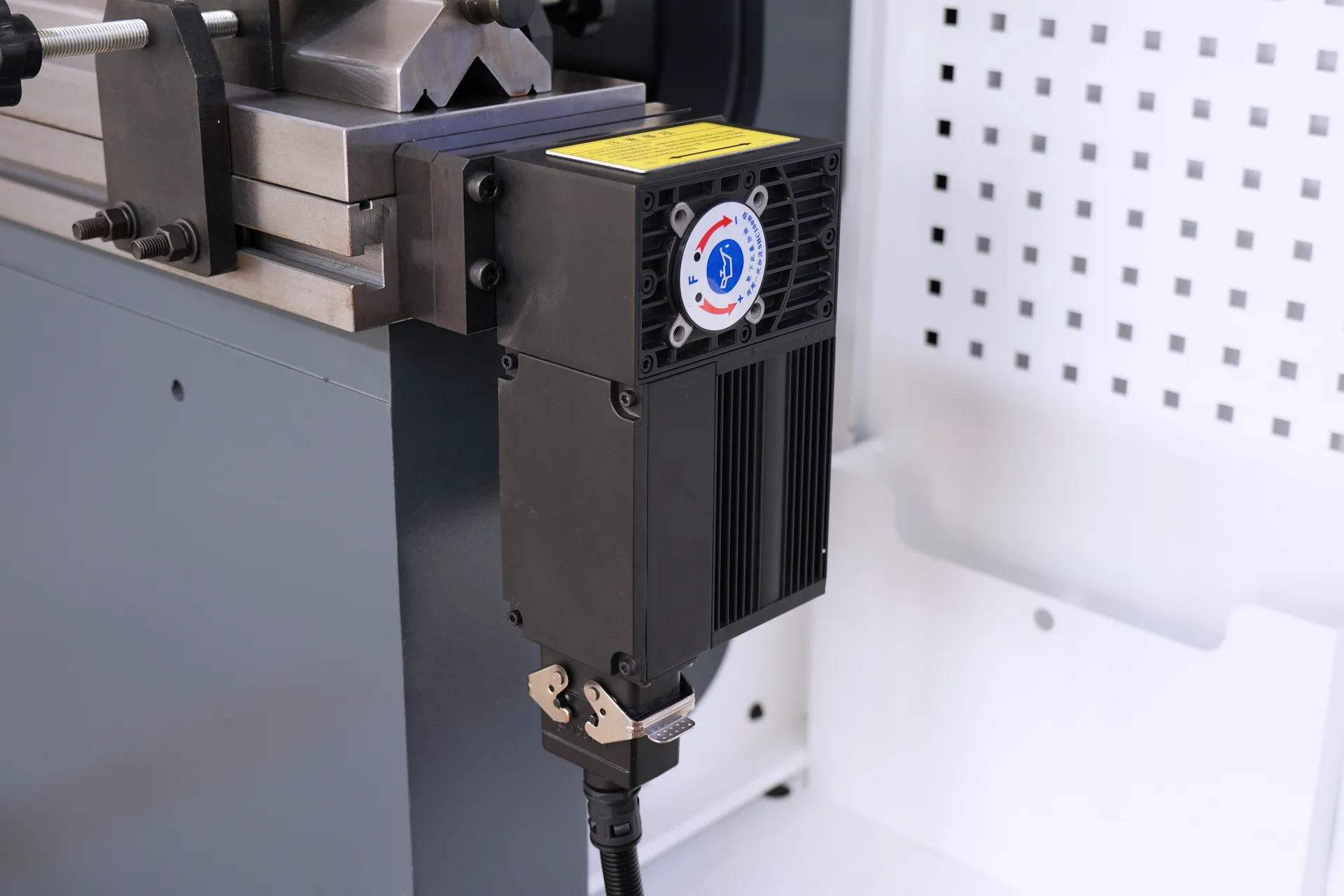
In modern sheet metal fabrication, the machine's hydraulic and electrical systems dictate the raw power and theoretical precision, but it is the tooling that directly interacts with and shapes the material. Even with a brutally rigid frame and a top-tier DELEM controller, if tooling changes take too long or if there is a lack of effective mechanical compensation, overall productivity and part accuracy will severely suffer. The KRRASS PBS Series eliminates these bottlenecks by integrating advanced tooling clamping technologies and intelligent deflection compensation systems.
Advanced and Safe Upper Tool Clamping Systems
Setup time is a critical metric in today's high-mix, low-volume manufacturing environments. The PBS Series comes equipped with an advanced manual/semi-automatic upper tool clamping system designed for both rapid tool changeovers and absolute operator safety.
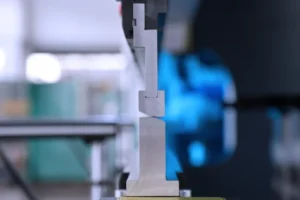
- European Standard Safety Groove: All upper tools provided are manufactured to strict international standards, featuring a standard 8.4 x 3.5 mm safety groove. This crucial design element ensures that when the clamp is loosened for micro-adjustments or tool swaps, the punch will not accidentally drop out, protecting the operator from severe injury and the lower die from catastrophic damage.
- Versatile Quick Extraction: The clamping system allows operators to perform safe and fast tool changes without modifying European standard punches. It supports vertical tool loading and unloading via the front clamp, as well as horizontal side-sliding extraction via the rear clamp. This gives operators maximum flexibility based on the tooling profile and drastically reduces machine downtime between different bending jobs.
- High-End Hydraulic and Pneumatic Options: For aerospace applications or large-scale contract manufacturers requiring the ultimate in setup efficiency, the PBS Series is fully compatible with premium clamping solutions like WILA New Standard Tooling. With these optional hydraulic or pneumatic systems, operators can press a single button on the DELEM controller to automatically seat, clamp, and perfectly align an entire row of tooling in a matter of seconds.
KRRASS® Intelligent Electric Mechanical Crowning System
The laws of physics dictate that when a press brake applies hundreds of tons of pressure to bend high-tensile steel, the upper ram and lower bed will inevitably experience minute mechanical deformation (deflection) in the center. If left uncompensated, this leads to the "canoe effect"—where the bend angle is perfectly accurate at the ends of the sheet but under-bent (too wide) in the middle.
The PBS Series completely eliminates this physical error by including the KRRASS® family's advanced CNC Electric Mechanical Crowning system (designated as the W-axis) as a standard feature.
- Dynamic CNC Calculation: This system is deeply integrated into the DELEM DA-66S or DA-69S controller ecosystem. Once the operator inputs the material type, thickness, length, and target bend angle, the DELEM system precisely calculates the expected deformation of the machine frame during that specific bending phase.
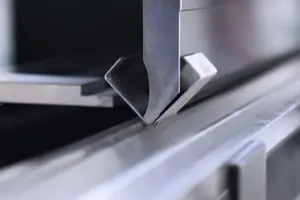
- Precision Motorized Wedge Mechanism: Housed internally within the lower bed, the crowning system consists of a series of precision-machined, interlocking angled wedges. Before the ram descends, the W-axis servo motor drives these wedges laterally, creating a highly accurate "micro-crown" (an upward curve) in the lower bed. This perfectly counteracts the downward deflection of the upper ram, ensuring absolutely uniform pressure across the entire length of the workpiece.
- Broad Tooling Compatibility: The crowning table is highly versatile, designed to easily clamp European standard lower dies with 60 mm and 90 mm bases, as well as single-V dies with a 13 mm tang. It completely removes the tedious, inaccurate, and outdated practice of manually shimming the lower die with paper or brass strips to achieve a straight bend.
Ultimate Operator Safety: DSP Laser Protection and Intelligent Guarding
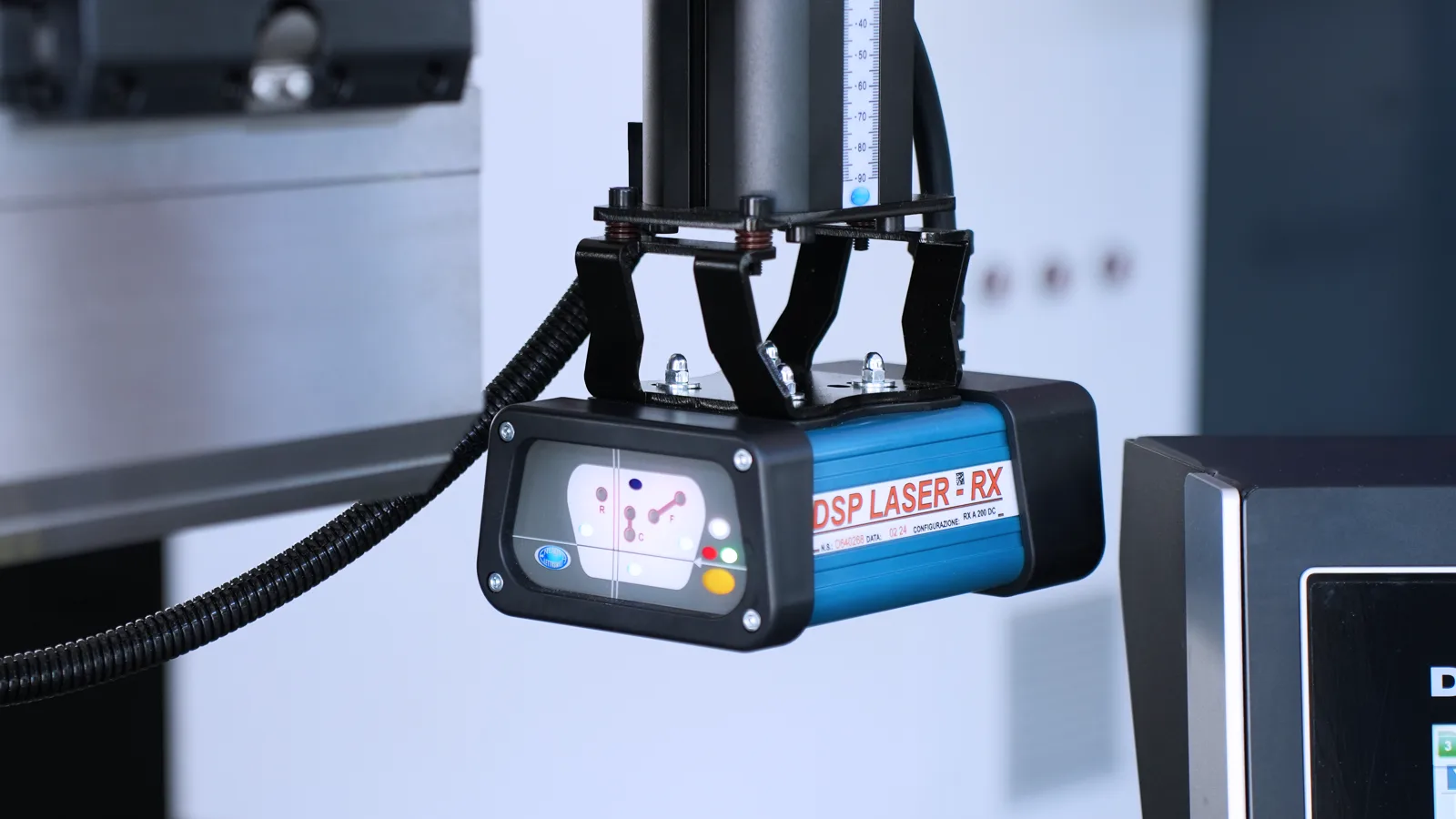
Operating a fully automatic CNC press brake capable of delivering hundreds of tons of force demands that safety be the absolute top priority. However, traditional physical light curtains or safety fences often obstruct the operator's view and force the machine to slow its descent far above the material, significantly crippling production speeds. The KRRASS PBS Series strikes the perfect balance between "zero-accident safety" and "full-speed production" through the integration of intelligent optical protection.
Italy DSP Laser Protection System
For modern facilities demanding the highest levels of safety without sacrificing a fraction of their manufacturing efficiency, the PBS Series offers the industry-leading Italy DSP® laser protection system. This system is directly interlocked with the machine's hydraulic proportional valves and the main servo motor to provide millisecond-level safety cutoffs.
- Multi-Beam 3D Detection: Unlike older single-beam systems that are prone to false triggers or dangerous blind spots, the DSP system utilizes an advanced multi-beam receiver. It forms a highly sensitive 3D protective zone directly beneath, in front of, and behind the tip of the punch. The system only triggers an emergency stop when an operator's fingers or hands enter the hazard zone. Brilliantly, when the sheet metal naturally folds upward during a normal bend, the system's algorithm intelligently recognizes the profile and allows the machine to continue operating without interruption.
- Rigorous International Safety Certifications: The DSP system is certified to the strictest European safety standards, achieving a CAT.4 and SIL3 safety level rating. The optical transmitter and receiver housings feature a rugged IP 65 protection rating, making them completely immune to workshop dust, hydraulic oil mist, and ambient light interference (utilizing a safe Class 1M laser).
- Boosting Production Cycles: The most significant operational advantage of the DSP system is its incredibly fast 5ms response time. This lightning-fast processing allows the upper ram of the PBS Series to descend at its maximum Rapid Approach speed until it is only a few millimeters above the material surface (the speed change point can typically be set at 5mm plus the required braking distance) before switching to the slower, high-torque bending speed. Compared to traditional machines that begin decelerating tens of millimeters early to comply with safety codes, this feature saves precious seconds on every single bend cycle, resulting in a massive boost in cumulative daily production.
- Extended Protective Coverage: The maximum effective protective distance of the DSP laser is an impressive 15 meters. This easily provides full-length, blind-spot-free safety coverage even for custom-built, ultra-long tandem press brakes engineered by KRRASS for the heavy machinery sector.
Comprehensive Physical Interlocks and Smart Monitoring
Beyond high-end laser protection, the PBS Series makes absolutely no compromises on foundational physical safety features:
- Side and Rear Interlocked Guards: The machine is equipped with robust safety doors on the sides and rear, featuring heavy-duty electromechanical interlock switches. If any safety door is opened while the machine is powered or running, the main servo motor instantly cuts power, the hydraulic pump stops dead, and the system forces an immediate, non-negotiable halt.
- Intelligent LED Status Indicators: Highly visible LED status lights are integrated onto the top of the machine frame or directly onto the laser receivers. This allows shop floor managers, safety officers, and operators to clearly see from a distance whether the machine is in a "Ready," "Running," or "Safety Lockout" state, fostering a highly transparent and safe working environment.
Smart Accessories: Angle Measurement and Sheet Follower Supports

To achieve a true "zero-scrap" manufacturing environment, a press brake must be equipped to handle the unpredictable variables of sheet metal fabrication. Variations in material thickness, grain direction, and yield strength often result in unpredictable springback. Furthermore, handling large, heavy panels physically strains operators and poses significant safety risks. The KRRASS PBS Series addresses these challenges by integrating state-of-the-art smart accessories directly into the DELEM control ecosystem.
iMeasure Laser Angle Measurement System
The traditional method of test-bending—where an operator bends a scrap piece, measures it manually with a protractor, and enters an offset into the controller—is entirely obsolete in a high-efficiency facility. The PBS Series offers the highly advanced iMeasure Laser Angle Measurement System (developed in conjunction with Data-M Engineering) to guarantee perfect angles on the very first bend.
- Dynamic Laser Triangulation: As the punch presses the material into the die, a specialized sensor projects a laser beam onto the sheet metal surface. A high-resolution camera continuously detects the position of this laser beam. By calculating the angle between the laser projection and the camera axis, the system dynamically determines the exact bend angle in real-time.
- Automatic Springback Compensation: The true genius of the iMeasure system lies in its interaction with the DELEM DA-66S or DA-69S controller. The system performs a brief force reduction to calculate the exact springback of that specific piece of metal. The controller then commands the main servo motor and hydraulic proportional valves to re-engage and push the ram exactly the required micro-millimeters further to achieve the programmed angle.
- Unprecedented Accuracy: Regardless of material inconsistencies, this system achieves a sustained bending accuracy of better than $\pm 0.1^{\circ}$, completely eliminating material waste and drastic trial-and-error setups.
CNC Front Sheet Follower Supports
When processing large-format, heavy, or exceptionally thin sheets, the portion of the metal protruding from the front of the machine can whip upward with immense force as the die completes the bend. This reverse-bending phenomenon not only deforms the workpiece near the bend line but also forces operators to manually support hundreds of pounds of steel, leading to rapid fatigue and potential injury.
- Interpolated Kinematic Axes: The PBS Series can be equipped with heavy-duty CNC Front Sheet Follower Supports. Unlike passive front arms, these supports are actively driven by independent servo motors (designated as AP1 and AP2 axes in the CNC system).
- Perfect Synchronization: The DELEM controller calculates the exact angular velocity of the bending sheet. The follower supports move upward in perfect synchronization with the material, fully supporting its weight throughout the entire bending cycle.
- Robust Load Capacity: Engineered for heavy industrial applications, these supports feature a load capacity of up to 180 kg per arm and can track a bend as steep as $70^{\circ}$. They are equipped with advanced bristle brushes or high-density polymer rollers to ensure that delicate surfaces, such as polished stainless steel or coated aluminum, are never scratched during the process.
Technical Specifications, Performance Parameters, and Conclusion
The engineering principles that make the KRRASS PBS Series a marvel of efficiency and precision are scalable. Whether a fabricator requires a compact, high-speed machine for small electrical brackets or a massive, high-tonnage machine for thick shipbuilding plates, there is a PBS configuration designed for the task.
Below is an expanded parameter table demonstrating the operational capabilities and the highly efficient main servo motor specifications across various PBS models:
Table 3: KRRASS PBS Series Servo Press Brake Technical Parameters
| Model Configuration | Bending Pressure (kN) | Длина изгиба (мм) | Расстояние между столбцами (мм) | Y1, Y2 Down Speed (mm/sec) | Y1, Y2 Return Speed (mm/sec) | Main Servo Motor (kW) | Energy Savings vs. Standard |
|---|---|---|---|---|---|---|---|
| PBS 63T/2500 | 630 | 2500 | 2000 | 200 | 180 | 5.5 | ~55% |
| PBS 100T/3200 | 1000 | 3200 | 2700 | 200 | 160 | 7.5 | ~50% |
| PBS 135T/4000 | 1350 | 4000 | 3500 | 180 | 150 | 11 | ~50% |
| PBS 175T/4000 | 1750 | 4000 | 3500 | 160 | 140 | 15 | ~45% |
| PBS 250T/4000 | 2500 | 4000 | 3500 | 140 | 130 | 18.5 | ~45% |
| PBS 320T/6000 | 3200 | 6000 | 5100 | 120 | 120 | 22 | ~40% |
| PBS 500T/6000 | 5000 | 6000 | 5100 | 110 | 100 | 30 | ~40% |
(Note: Maximum opening heights, slider strokes, and physical dimensions are customizable. The PBS series consistently delivers an exceptional $\pm 0.01$ mm positioning accuracy across all tonnage variations.)
Conclusion: Investing in Sustainable Manufacturing Excellence
The sheet metal fabrication industry has moved beyond the era where sheer brute force was enough. Today's successful manufacturers must optimize for speed, absolute precision, and sustainable operational costs. The KRRASS PBS Series Main Motor Servo листогибочный пресс с ЧПУ is engineered explicitly for this modern reality.
By replacing continuous-run induction motors with an intelligent, on-demand main servo drive, the PBS Series drastically slashes electricity consumption, dramatically extends the lifespan of the hydraulic oil, and reduces ambient workshop noise. Yet, it sacrifices absolutely zero power. Supported by a brutally rigid, FEA-optimized steel frame, driven by Bosch Rexroth high-frequency valving, and orchestrated by the unrivaled processing power of DELEM DA-66S and DA-69S controllers, this machine delivers flawless bends, hour after hour, year after year.
Coupled with advanced integrations like the BGA-6 multi-axis backgauge, KRRASS Electric Crowning, and DSP Laser protection, the PBS Series transitions from being just a machine tool to becoming a comprehensive, highly profitable manufacturing cell. For fabrication businesses that demand uncompromising durability, rapid response times, and the highest standards of accuracy, the KRRASS PBS Series is the definitive investment in the future of metal forming.
Часто задаваемые вопросы
What is a servo CNC press brake?
A servo CNC press brake is a machine that bends metal sheets with high precision. It uses a special motor called a servo motor that saves energy by only using power when the machine is actually bending metal. This means it doesn't waste energy while waiting or when it's not in use.
How does the KRRASS PBS Series prevent energy waste?
The KRRASS PBS Series has a smart motor that only works when the machine is bending. This design saves a lot of energy because when the machine is idle, the motor stops, avoiding waste. This way, it helps the environment while also reducing energy costs for the users.
What materials can be bent using the PBS Series press brake?
The PBS Series can bend various materials, including high-tensile steels, which are very strong and thick. It is designed to handle tough materials while maintaining accurate bend angles, making it suitable for different industries like automotive and aerospace.
What makes the DELEM controller special?
The DELEM controller is special because it has a big screen that shows the operator what is happening in real-time. It helps in programming bending tasks quickly and allows 3D simulations, which show how the bending will look before it actually happens. This feature makes the work much faster and easier.
How does the machine ensure accurate bending?
To ensure accurate bending, the PBS Series uses advanced sensors that monitor the position during bending. If one side of the metal moves differently, the machine automatically adjusts to keep everything level. This helps to maintain high precision at all times.
What is the advantage of using electric mechanical crowning?
The electric mechanical crowning helps to counteract any bending inaccuracies that can happen due to the pressure applied. It makes small adjustments to the lower part of the machine to ensure the bend angle is consistent across the whole sheet, leading to better quality products.
How safe is the KRRASS PBS Series for operators?
The KRRASS PBS Series is designed with safety in mind. It uses a laser protection system that can detect when someone is too close and will stop the machine immediately. There are also physical guards to prevent accidents, ensuring a safe working environment.
What kind of maintenance does this machine require?
The PBS Series requires regular maintenance, like checking the oil and ensuring all parts are clean and functioning well. Because of its smart design, it has fewer maintenance needs compared to older machines, thanks to its energy-efficient technology.
Can the PBS Series be customized for different tasks?
Yes, the PBS Series can be customized with various features like different backgauge setups and tooling to fit specific bending tasks. This versatility makes it suitable for a wide range of projects and industries.
Why should manufacturers invest in the KRRASS PBS Series?
Manufacturers should invest in the KRRASS PBS Series because it combines energy efficiency, high precision, and durability. It reduces long-term costs, improves productivity, and helps ensure that their products meet high quality standards, making it a wise investment for the future.