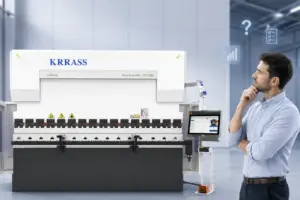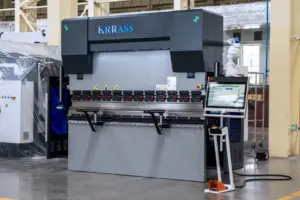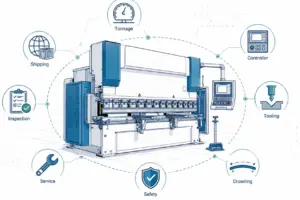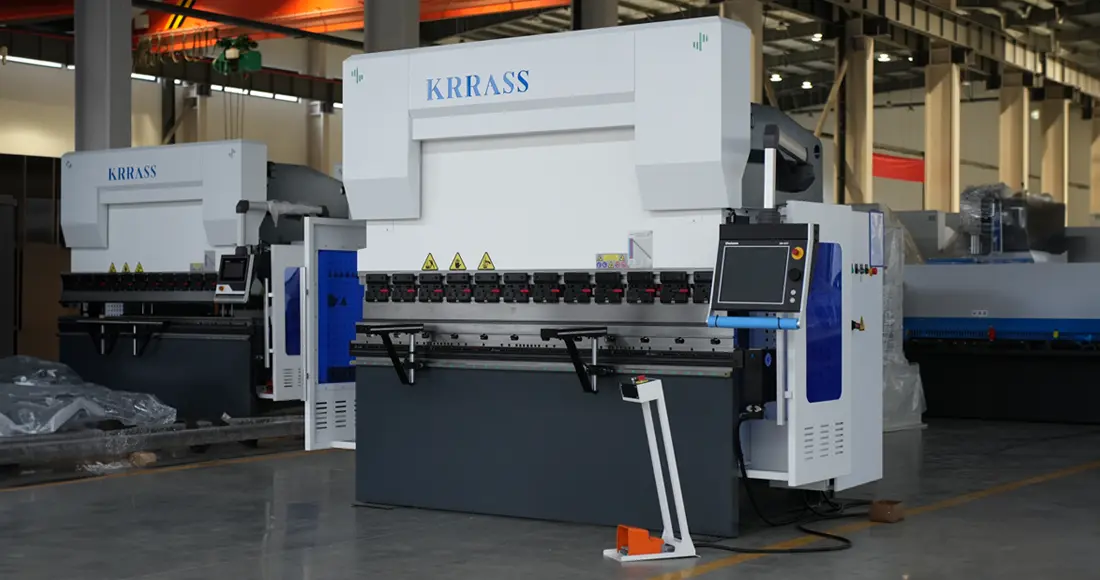
Have you ever wondered why a prensa plegadora is called a press brake and not something else like a sheet metal bender or metal former? In this article, we'll explore the origins of the term "prensa plegadora" and how it relates to the machine's function. Join us on a journey through history as we unravel the mystery behind the name.
The Evolution of Sheet Metal Shaping
Before the invention of machines, shaping sheet metal was a manual process. Craftsmen would attach a piece of sheet metal to a mold or scale model and use various tools like hammers, stakes, and spoons to shape it. This method is still used today in autobody repair and art fabrication shops. However, the need for more efficient methods led to the development of specialized tools.
The Birth of the Cornice Brake
In 1882, the first machine resembling a modern press brake was patented. It was called the "cornice brake" and featured a manually operated leaf that clamped the sheet metal, allowing it to be bent in a straight line. Over time, this design evolved into the leaf brakes, box and pan brakes, and folding machines we know today.
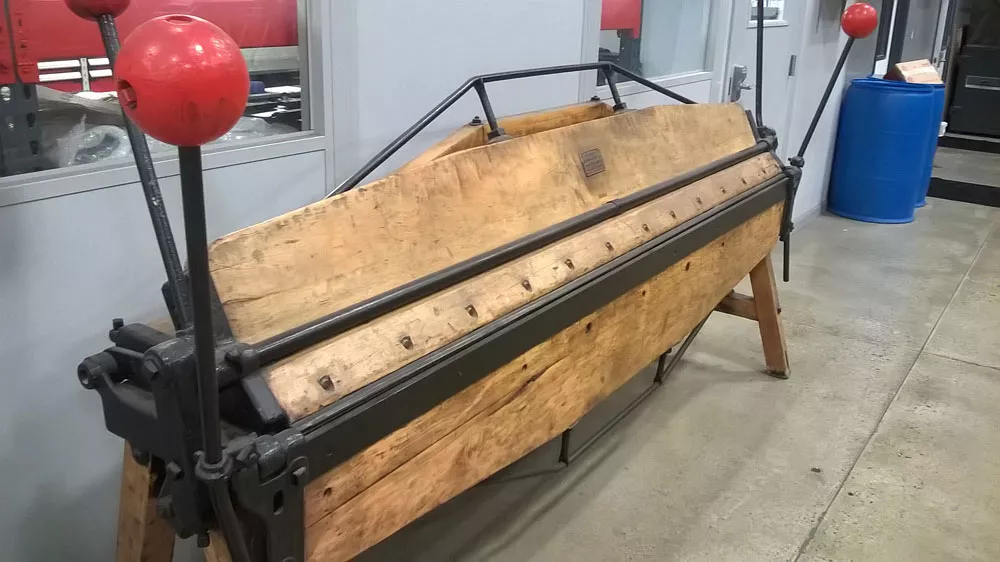
From Flywheel-Driven Machines to Modern Press Brakes
Around a hundred years ago, powered press brakes emerged, starting with flywheel-driven machines. These were followed by hydromechanical, hydraulic, and electric press brakes. But why are they all called prensas plegadoras? To understand this, we need to dive into the etymology of the term.
The Etymology of "Brake"
The word "brake" has its roots in archaic terms from Old English, Middle English, Dutch, German, and Gothic languages. In the 15th century, "brake" referred to an instrument for crushing or pounding. Over time, it became synonymous with "machine," derived from machines used to crush grain and plant fibers. Thus, a "pressing machine" and a "press brake" essentially mean the same thing.
The Connection Between "Break" and "Brake"
The verb "break" and the term "brake" have a close relationship. "Break" originally meant to violently divide solid objects or to destroy. The past participle of "brake" was "broken." When we examine the etymology, we find that "brake" in the context of sheet metal fabrication evolved from the Middle English verb "breken," which meant to bend, change direction, or deflect.
The Origin of "Press"
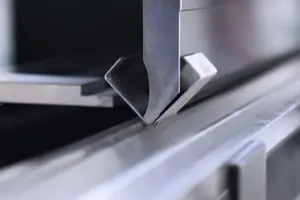
The term "press" has its origins in Old French, where "presse" meant to crush or crowd. By the late 14th century, "press" referred to a device for pressing clothes or squeezing juice from fruits. Eventually, it came to represent a machine or mechanism that applies force by squeezing. In the context of sheet metal fabrication, the punches and dies of a press brake exert force on the metal to cause it to bend.
Putting It All Together
So, a press brake is a machine that bends sheet metal. The term "brake" comes from the Middle English word meaning to bend, while "press" refers to the machine's ability to exert force. As technology advanced, modifiers like mechanical, hydromechanical, hydraulic, and electric were added to describe different types of press brakes. Regardless of the name, a press brake is a machine that crushes, squeezes, and bends sheet metal.
KRRASS: la mejor opción para
Todos los fabricantes de procesamiento de chapa metálica
Al considerar los costos generales de compra, mantenimiento y operación de equipos de chapa metálica, un servicio de fabricación de chapa metálica de la marca KRRASS es su mejor opción. KRRASS goza de una excelente reputación en el mercado gracias a su enfoque en la consistencia y la calidad al precio más competitivo. Ya sea una cizalla CNC o cualquier otro equipo de aplicación, nuestro equipo de expertos cuenta con la combinación perfecta de conocimiento del sector y las herramientas más modernas para ofrecerle los mejores productos y servicios del mercado. Además, nos distinguimos por nuestro avanzado sistema completamente en línea. Simplemente indíquenos qué necesita su producto, solicite un presupuesto y comience el proceso.
Haz una solicitud y comienza hoy mismo
Obtenga una cotización instantánea
Conclusión
Through our exploration of the history and etymology of press brakes, we have uncovered the origins of their name. From the early manual methods to the invention of specialized machines, press brakes have revolutionized sheet metal fabrication. Their ability to bend and shape metal efficiently makes them essential tools in various industries. If you have any historical information or insights about press brakes or other bending machines, we would love to hear from you. Please feel free to contact us at [email protected].
Conozca más sobre nuestros productos, visite y suscríbase a nuestro Canal de Youtube