
Subtractive manufacturing techniques are commonly used for part fabrication in various industries, with лазерная резка листового металла being a key method. This precise and accurate process focuses a laser beam on the material surface to burn, vaporize, or melt it, producing the desired outcomes. This guide provides all the essential information you need before incorporating laser cutting into your next manufacturing project.
What’s Sheet Metal Laser Cutting?
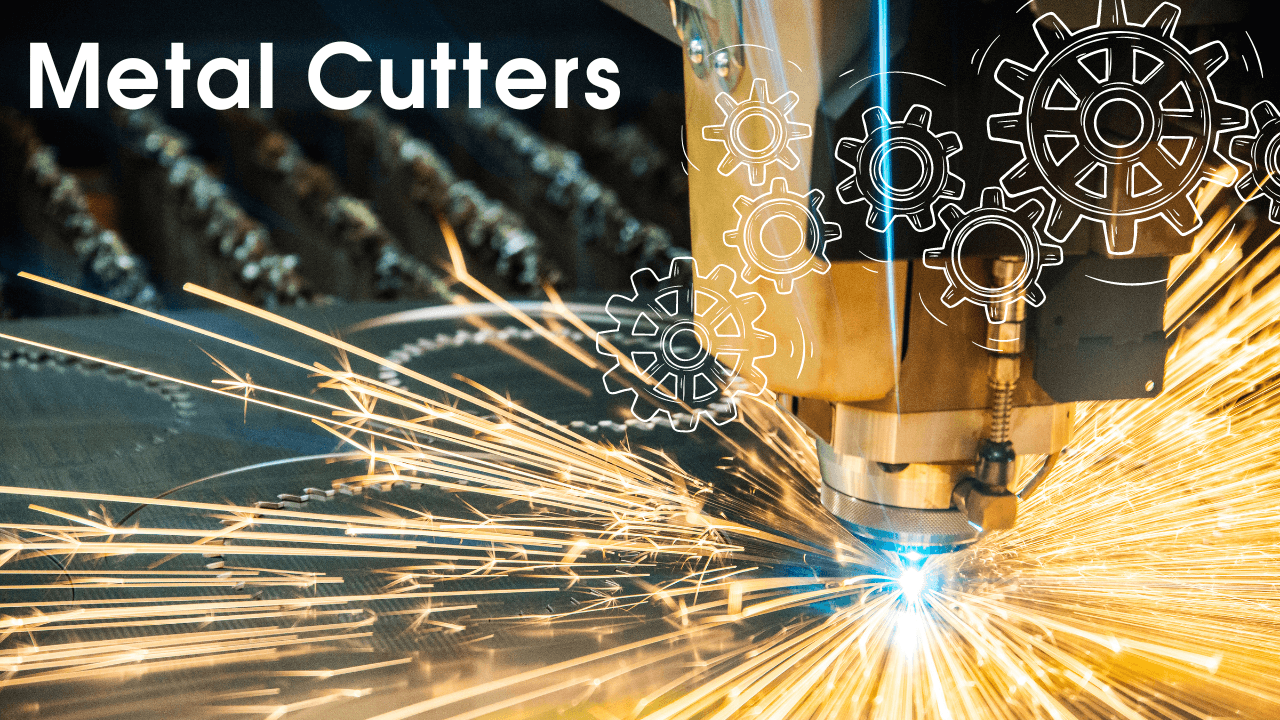
Sheet metal laser cutting is one of the primary industrial manufacturing techniques. As such, sheet metal laser cutting appears to be one of the go-to procedures. Laser cutting fabrication uses a high-power beam of light (laser) to cut out flat and thin sheets of metals. The process is directed by optics and computer numerical control (CNC) technology, which accounts for the high precision of laser cut parts.
History of Sheet Metal Laser Cutting
Технология лазерной резки существует уже более 60 лет, а первая попытка ее применения для резки металлических листов была предпринята еще в 1960 году.
К 1964 году, штат Колорадо2 Лазеры уже использовались для изготовления сложных деталей, таких как сварка пружин часов. Автоматизация и высокая точность лазерной резки по сравнению с другими процессами резки сделали ее широко распространенной для деликатного производства и крупносерийного выпуска продукции.
Волоконные лазеры впервые появились в 60-х годах, но на коммерческий рынок вышли лишь в конце 80-х. 1990-е годы считаются золотым веком лазерных технологий, поскольку в это время появились мощные лазеры, такие как твердотельные лазеры, которые значительно повысили эффективность и производительность. К началу 2000-х годов лазерная резка стала широко распространенной производственной технологией, используемой в различных отраслях, таких как автомобильная и аэрокосмическая промышленность.
Типы лазеров для резки листового металла
В промышленном производстве используются три различных типа лазеров для резки материалов. Каждый лазерный резак обладает уникальными характеристиками, отличающими его от других. Ниже представлен подробный обзор трех типов лазерных резаков.
Волоконные лазеры
Fiber laser cutting machines are some of the most potent precision cutting devices. They belong to the solid-state lasers using seed lasers to amplify the beam with special glass fibers. They are effective for cutting pieces of metals, alloys, and non-metals like glass, plastics, and even wood. Other than simple cutting operations, they are suitable for metal engraving and annealing.
Fiber laser kerfs are more extensive than others; this may account for their high power. They possess a long service life of not less than 25,000 hours and thus require less maintenance. They produce some of the strongest and most stable beams. However, they are best suited for materials with less than 20 mm thickness.
CO2 Lasers
CO2 lasers produce the beam of light by running electricity through a tube filled with a mixture of gases. The gas mixture contains mainly carbon dioxide and inert gases – helium and nitrogen, the commonest forms for lasers.
However, they are less potent compared to fiber lasers. CO2 laser machines can only cut non-metals like wood, acrylic, and plastics. In some cases, they may also function for sheet metal laser cutting, especially thin sheets of aluminum and some other non-ferrous metals.
Кристаллические лазеры
Кристаллические лазерные резаки существуют в двух формах: Nd:YAG (легированный неодимом иттрий-алюминиевый гранат) и Me:YVO (легированный неодимом ортованадат иттрия, YVO4). Оба являются невероятно мощными режущими устройствами. Однако они довольно дороги, при этом срок их службы примерно вдвое меньше, чем у волоконных лазеров – от 8000 до 15000 часов. Они подходят для резки металлов с покрытием и без покрытия, неметаллов и пластмасс, а при определенных условиях даже керамики.
Three Sheet Metal Laser Cutting Processes
Laser cutting sheet metal is the thermal process that involves using a laser beam to cut out pieces off a metal sheet. Primarily, there are three methods of cutting sheet metal.
Лазерная резка методом термоядерного синтеза
При термообработке используется инертный газ, часто азот или аргон, для выталкивания расплавленного материала из режущей горелки. Использование инертного газа предотвращает окисление на режущей кромке, не вступая в реакцию с технологическим процессом. Этот процесс подходит для плоских и тонких листов, а также для случаев, когда материал должен соответствовать высоким визуальным требованиям и требовать минимальной постобработки.
Лазерная резка пламенем
Flame cutting uses oxygen gas to expel the molten material. It causes an exothermic reaction which accounts for an increase in the overall energy input of the process. The process is ideal for cutting mild steel, among other types of sheet metals and fusible materials like ceramics.
Лазерная сублимационная резка
Сублимационная резка использует лазер для испарения частей материала с меньшей температурой плавления. Как и при термоплавкой резке, в качестве режущего газа используются инертные газы — азот, гелий или аргон, что обеспечивает отсутствие окислителей на режущих кромках. Хотя этот метод медленный, он позволяет получать высококачественные кромки для высокоточной резки.
Advantages of Sheet Metal Laser Cutting
Ниже перечислены пять важнейших преимуществ этой технологии производства.
Высокоточная резка
В лазерной резке световой луч обеспечивает очень высокую точность резки металлов. Точность и прецизионность, с которой лазер плавит и испаряет материалы, несравнимы со многими другими методами резки. Некоторые штамповочные инструменты имеют допуски от 1 до 3 мм, в то время как лазерные резаки обеспечивают точность резки до 0,003 мм.
Высококачественное использование листового металла
Лазерная резка позволяет использовать значительную часть обрабатываемых материалов. Технология практически исключает отходы – станок максимально увеличивает количество пригодных для использования деталей из любого листового металла. Следовательно, меньше беспокойства по поводу излишков материала; вы можете купить ровно столько, сколько вам потребуется.
Исключительная универсальность резки
Лазерная резка отличается высокой гибкостью и универсальностью. Один лазерный резак хорошо справляется с различными операциями резки, такими как простые разрезы, сложные разрезы с замысловатыми деталями, маркировка, сверление и даже гравировка. Поэтому производителям не нужно периодически заменять оснастку в процессе работы.
Низкое энергопотребление
В отличие от некоторых других режущих станков, лазерные резаки не требуют перемещения различных частей устройства. Это позволяет им эффективно вырезать детали из материала, не потребляя слишком много энергии. В то время как лазерные резаки могут работать с энергией до 10 кВт, большинство других процедур могут использовать в пять раз больше энергии.
Практически без повреждений
Возможно, вы считаете, что воздействие тепла на материалы при лазерной резке может вызвать деформацию или искажение деталей, или даже их полное повреждение. Однако это не так. Детали, подверженные воздействию тепла при лазерной резке, минимальны и не представляют угрозы для точности изготовления элементов или компонентов после обработки.
Disadvantages of Sheet Metal Laser Cutting
Despite its numerous benefits, laser cutting sheet metal has a few shortcomings. Let’s discuss them.
Требуется специалист-оператор.
To best utilize your laser cutters, you might need to employ a professional to operate the machine for part’s fabrication. An expert, for example, will quickly detect a fault or an improper setup that may affect the production processes or even the machine’s integrity.
Ограничения по толщине металла
Хотя лазерная резка хорошо подходит для широкого спектра материалов, включая листовой металл, при работе с толстыми металлами рекомендуется использовать другие методы резки. Типичные лазерные резаки отлично подходят для резки алюминиевых листов максимальной толщиной 15 мм и стали толщиной 6 мм.
Вредные газы
При резке пластика лазерные резаки плавят и испаряют материалы, выделяя при этом значительное количество вредных паров. Следовательно, крайне важно проводить лазерную резку в хорошо проветриваемом помещении или в безопасных условиях труда.
Высокие первоначальные инвестиции
Стоимость высококачественного лазерного резака высока. Типичный лазерный резак может стоить около $3000, что вдвое дороже, чем гидроабразивные или плазменные резаки. Для того чтобы заниматься услугами лазерной резки в качестве бизнеса, необходимо понести значительные первоначальные инвестиции.
Power Tools for Metal Cutting
When efficiency and power are needed, electric and pneumatic tools come into play. These tools can handle larger projects and tougher materials with ease.
Angle Grinders
Angle grinders are versatile tools that can cut, grind, and polish various metals. With the right attachment, they’re capable of cutting through rebar, fencing, and even steel plates.
Angle grinders are available in various sizes, including portable cordless models ideal for outdoor projects.
When using an angle grinder for cutting, always use a metal cutoff wheel and let the tool’s weight do most of the work. Avoid applying extra pressure, which can cause the wheel to bind or break.
Circular Saws
While circular saws are traditionally used for woodworking, they can also be used for metal-cutting tasks with the right blade. They’re particularly useful for cutting sheet metal, roofing, and corrugated metal. Here’s how to use a circular saw for metal cutting:
- Install a metal-cutting blade with the appropriate tooth count for your material.
- Mark your cutting line clearly.
- Secure the metal to prevent vibration and ensure a straight cut.
- Cut slowly and steadily, allowing the blade to do the work without forcing it.
Circular saws are excellent for making long, straight cuts in metal roofing or siding. They can also handle stacked sheets, saving time on repetitive cuts.
Reciprocating Saws
Reciprocating saws, often called sawzalls, are the Swiss Army knives of power tools. They can cut through various materials, including metal pipes, sheets, and profiles. Different blades are available for various metal types and thicknesses, and these saws have enough power to handle thick metal stock that might be challenging for other handheld tools.
When using a reciprocating saw, make sure the material is firmly clamped and use a blade appropriate for the metal’s thickness. Let the saw do the work, applying only moderate pressure to guide it through the cut.
Specialized Metal Cutting Equipment
For professional-grade cutting or specialized applications, more advanced tools are often necessary. These tools offer precision, power, and efficiency for larger or more complex metal-cutting tasks.
Plasma Cutters: High-Tech Precision
Plasma cutters use a high-temperature plasma arc to slice through conductive metals with precision. They’re ideal for cutting sheet metal, plate steel, and other conductive materials. Benefits of plasma cutters include the following:
- Скорость: Can cut through thick metal much faster than traditional methods
- Точность: Capable of making intricate cuts with minimal material waste
- Универсальность: Can cut a wide range of metal thicknesses and types
While plasma cutters are expensive, they’re a great addition to metalworking shops and for fabricators who frequently work with thick or complex metal pieces.
Oxy-Acetylene Torches: Heavy-Duty Cutting
Oxy-acetylene torches are powerful tools that use a mixture of oxygen and acetylene gas to create a high-temperature flame capable of cutting through thick metal. They’re particularly useful for the following:
- Cutting thick steel plates and structural steel
- Demolition work where precision isn’t critical
- Situations where electrical power isn’t available
Using an oxy-acetylene torch requires skill and practice. If you use this tool, wear appropriate protective gear and have proper ventilation.
Cold Saws: Clean Cuts for Professionals
Cold saws are precision cutting tools that use a circular blade and coolant to make clean, accurate cuts in metal without generating excessive heat. They offer several advantages, including the following:
- Точность: Produce clean cuts with minimal burring
- Efficiency: The coolant system allows for continuous operation without overheating
- Longevity: Blades last longer due to reduced heat and friction
While more expensive than some other options, cold saws are invaluable for metalworking professionals who regularly complete high-precision cuts.
Choosing the Right Tool for Your Project
When choosing a metal cutting tool, consider these factors:
- Metal type and thickness: Softer metals, like aluminum, require different tools than hardened steel.
- Cut precision: Some projects require clean, precise cuts, while others allow rougher edges.
- Project scale: Large-scale projects may justify investing in more powerful, efficient tools.
- Портативность: Consider whether you need a tool that can be easily moved or used in various locations.
- Бюджет: Balance the cost of the tool against the frequency and importance of your metal-cutting needs.
Советы по проектированию деталей, изготовленных методом лазерной резки.
For effective and efficient use of the laser cutting services for your parts. You need to adhere to the below sets of tips for your laser cutting product design.
Ваши данные не могут быть тоньше толщины металла.
Толщина — важный фактор, который необходимо учитывать при лазерной резке. Она напрямую связана с мощностью лазера. Следовательно, чем больше толщина, тем меньше лазер способен проникнуть в материал и разрезать его. Однако увеличение мощности лазера может иногда повысить вероятность разрезания такого материала.
Помните о пропиле
Конструкция лазера требует внимания к тому, что называют керфом. Керф — это материал, который испаряется при попадании лазерного луча на обрабатываемый материал. Это явление наблюдается не только при лазерной резке, но и при других процессах обработки материалов. Керф при лазерной резке возникает из-за толщины лазерного луча. Это важный фактор, который необходимо учитывать на этапе проектирования.
Выберите подходящий материал
The right material is the most important thing to note before a laser cutting operation. Choosing a material depends on the properties you want the end product to have. For example, materials have different properties in terms of rigidity, translucency, and flexibility. At Rapid Direct, you will have access to different sheet metal laser cutting, plastics, paper, etc.
Расстояние между элементами важно.
В лазерной резке расстояние между линиями резки очень важно для устранения ошибок и получения наилучшего результата. Минимальное расстояние должно быть равно толщине материала. Например, при лазерной резке листового металла, если толщина листа составляет 2 мм, расстояние между двумя линиями резки должно быть 2 мм. Это также важно, если вы планируете работать с различными конструкциями из листового металла, вырезанными лазером.
Преобразуйте текст в опорные точки и кривые.
Не все операции лазерной резки требуют вырезания текста. Однако, если вам необходимо добавить текст, следует располагать буквы с промежутками и писать их крупным шрифтом. Это обеспечит более плавную работу и наилучший результат. Если буквы расположены близко друг к другу, они могут перекрываться, что приведет к неразборчивой надписи.
Techniques for Cutting Different Metal Forms
Different metal forms require specific cutting techniques to achieve the best results. Here are some tips for common metal-cutting tasks.
Cutting Sheet Metal
Cutting sheet metal requires precision and the right approach. Take the following steps when cutting sheet metal:
- Mark your cutting line clearly with a permanent marker or scribe.
- For straight cuts, use a straight edge as a guide.
- When using power tools, start the cut at the edge of the sheet and maintain a steady pace.
For intricate cuts, consider using a jigsaw with a metal-cutting blade or a plasma cutter for thicker sheets. Remember to wear gloves to protect your hands from sharp edges, and always support the sheet metal properly to prevent bending or warping during cutting.
Cutting Pipes and Tubes
Cutting pipes and tubes requires a different approach than sheet metal.
- Mark the entire circumference of the pipe before cutting to ensure a straight cut.
- Use a vise or pipe clamp to secure the pipe and prevent vibration during cutting.
- Use a pipe cutter for clean, precise cuts on small-diameter pipes and a reciprocating or band saw for larger pipes.
After cutting, use a deburring tool or file to smooth the cut edge and remove any internal burrs that could restrict flow in plumbing applications.
Cutting Metal Roofing
Cutting metal roofing requires care to avoid damaging the material or creating unsafe edges. Here are the steps you should take when cutting metal roofing:
- Measure and mark your cutting line on the underside of the roofing panel.
- Use tin snips for small cuts or corners and a circular saw with a metal-cutting blade for long, straight cuts.
- Cut with the painted side down to minimize damage to the finish.
- Use steam cleaning to remove any metal shavings or debris after cutting to prevent rust.
Always wear gloves and eye protection when cutting metal roofing, as the edges can be extremely sharp.
Should I Invest in a Laser Cutting Machine or Choose a Service
From simple equipment fabrications to large companies – like the aerospace and automotive industries – laser cutting services are crucial for various manufacturing operations. The technique is an effective and highly efficient procedure suitable for a vast array of materials.
However, the smart choice for small-scale manufacturing companies is to choose a service rather than investing in the machine, as it is an excellent way to save cost yet offer quality to customers. However, if the funds are available, investing in laser cutting machines could be highly profitable because of the numerous advantages that come with the device.
Anyways, the choice is solely dependent on manufacturers. But should you choose to hire a service, contact Krrass – an expert in providing sheet metal laser cutting services.
Your Online Laser Cutting Services for Sheet Metal Parts
Are you looking for a company that guarantees quality laser cutting services? Then, Krrass is just what you need for your fabrication.
We are a trusted company providing sheet metal fabrication services for rapid prototyping and custom production. We guarantee high-quality sheet metal laser cutting services, and we provide cost-effective and on-demand solutions as per your request.
Альтернативы лазерной резке
Возможно, вам не нужна лазерная резка, и вы не уверены, как вырезать детали из листового металла; ниже представлены другие высококачественные варианты для ваших производственных нужд.
EDM
EDM, Electrical Discharge Machining, like laser cutting, uses thermal energy to remove pieces of material. It uses electrical discharges (sparks) to cut out the desired shape from a material. Compared to laser cutting, EDM produces a better surface finish with a less heat-affected zone. Also, it is suitable for cutting hardened pieces of material.
Фрезерование на станках с ЧПУ
Фрезерование на станках с ЧПУ предполагает использование высокоскоростных вращающихся фрез для придания формы материалам. Фрезерование хорошо подходит для металлов, сплавов и неметаллов. Как и лазерная резка, это высокоточный процесс обработки материалов. Главное различие между этими двумя процессами заключается в том, что, в то время как фрезерование использует режущие инструменты — вращающиеся фрезы — для вырезания или придания формы, лазерная резка использует лучи света, лазерное расплавление или выжигание формы.
Гидроабразивная резка
Гидроабразивная резка — это производственная технология, которая предполагает использование воды или смеси воды и абразивных веществ под высоким давлением для резки материала.
Below is a comparison between water jet cutting and laser cutting.
- Лазерные резаки позволяют гравировать цифры или метки, тогда как гидроабразивная резка позволяет только резать.
- Оба типа станков подходят для резки широкого спектра материалов. Однако гидроабразивные станки не могут резать материалы толще, чем лазерные резаки, — до 50 мм.
- Лазерная резка обеспечивает более высокую точность и уделяет больше внимания мельчайшим деталям, что делает ее лучшим выбором для сложных геометрических форм.
Удар
Пробивка отверстий осуществляется с помощью штамповочного пресса для вырезания нужной формы из заготовки. Как и другие операции на станках с ЧПУ, пробивка отверстий — это высокоточная технология изготовления деталей, подходящая для широкого спектра материалов. Однако пробивка отверстий не идеальна для изготовления компонентов со сложной геометрией.
Заключение
Laser cutting is a technology used in rapid prototyping for cutting materials. This article introduced the operation, its history, types, and other things you might know. We believe that you’ve learned one or more things about laser cutting. However, you can trust us at Krrass for the best laser cutting services.

 English
 Arabic
 French
 Portuguese
 Russian
 Spanish