
A hydraulic ironworker machine is a metal processing tool used in the steel fabrication industry that can shear, cut, and punch holes. It is the most commonly used type of станок для металлообработки and is used in industries such as metallurgy, bridges, communications, electric power, and military. Today, I will give you a comprehensive and detailed introduction to the hydraulic ironworker machine from multiple angles, so that buyers can better grasp and operate the machine. Hope it helps you.
Оглавление
What is Hydraulic Ironworker Machine
A гидравлический металлообрабатывающий станок is a versatile piece of industrial equipment used for cutting, punching, notching, and bending various types of metal. It’s commonly found in metalworking shops, fabrication shops, and manufacturing plants. The machine operates using hydraulic power to generate the force needed for various metalworking tasks.
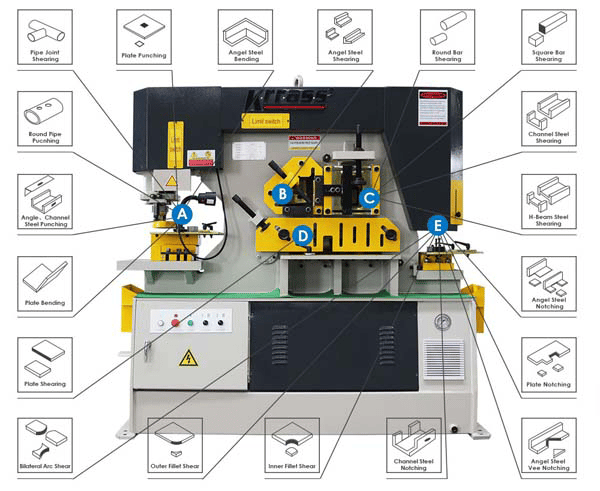
Multiple Functions
Резка:
It can cut through flat bars, angle iron, round and square rods, and even structural steel sections with ease. This makes it useful for creating parts with precise dimensions in metal fabrication.
Надрез:
The machines can notch metal sheets and plates at precise angles, making it easier to fit pieces together during fabrication. This function is particularly useful for creating joints in metal structures.
Изгиб:
Some hydraulic ironworker machines come with bending attachments or accessories that allow them to bend metal bars, tubes, and plates into various shapes. This adds to the machine’s versatility and makes it capable of handling a wide range of metalworking tasks.
Стрижка овец:
In addition to cutting flat bars and plates, hydraulic ironworkers can also shear metal sections such as angle iron and channel beams. This makes it useful for quickly and accurately cutting metal stock to size.
Multiple Stations
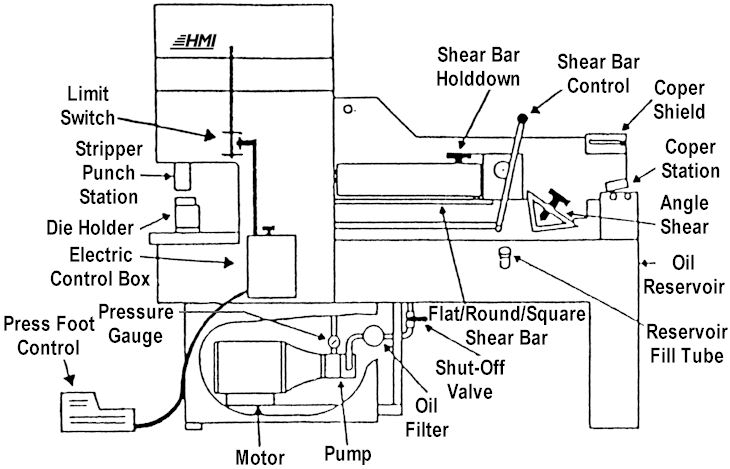
Станция для перфорации
Все операции пробивки металла на металлообрабатывающем станке выполняются с использованием гидравлической энергии, что позволяет станку пробивать металл очень эффективно и бесшумно. Пробивка происходит бесшумно, мощно и эффективно. Устройство может использоваться для пробивки как толстого металла, так и тонких материалов, уложенных слоями. Отходы удаляются вместе и слоями. Пробивной стол состоит из двух частей: первая — это пробивной фланец, а вторая — держатель. Существуют различные держатели для разных материалов. Держатель — это устройство, предотвращающее отрыв ткани от пуансона после резки.
Станция для стрижки плоских прутков
Станок оснащен простыми и надежными механизмами крепления. В зависимости от режущей способности станка, его можно настроить для любой толщины стали. Режущая способность может достигать 17,71 дюйма при резке плоских прутков или угловых профилей. Режущие лезвия, предназначенные для массового производства, могут использоваться с обеих сторон (верхнее лезвие имеет две режущие кромки, а нижнее — четыре); это обеспечивает чистый срез с минимальным искривлением, при общей режущей способности до толщины всего 1/8 дюйма.
Станция для нарезки прутков
Стандартные станки оснащены лезвиями для резки U-образных профилей. Кромки удерживаются эффективными зажимными губками, что позволяет легко размещать оборудование на станке без дополнительной регулировки. Благодаря другому оборудованию возможна резка I-образных профилей, Т-образных профилей, а также круглых и квадратных металлических прутков.
Станция для высечки пазов на станке для обработки металла
High Adaptability: With QBH, QCS, and other optical fiber interfaces, it can be adapted to various mainstream laser devices.
Excellent Design: Optimized optical configuration and smooth and efficient airflow design significantly improve cutting quality and efficiency.
Станция для резки углового профиля
Эта станция позволяет резать большие углы с шириной обработки от 17 3/4 дюймов до 35 1/2 дюймов.
Функции
The main features of a hydraulic ironworker machine can be the following:
- Accurate & Solid steel frame
- Adjustable stroke controls with indicators on both cylinders
- Hydraulic system with overload protection
- Easy to maintain
- Can stop when emergency by using switch
- Large flat cutting table with a ruler guide
- 2 independent hydraulic cylinders
Как работает сварщик-металлист?
A typical ironworker is comprised of a fixed frame, motor, safety shields, the metal working pieces as well as a control panel/foot pedal. Most machines are electronically and/or hydraulically controlled, and some typical working principles include:
- The sliding plate with a cutting edge to shear metal materials against a fixed edge.
- The movable punch to produce customizable holes in a variety of metal materials.
- The ram or sliding arm to force metal products around a fixed point or into a die.
The single operator can complete most actions using a foot pedal or button, with many actions often repeated in quick succession for a steady production flow.
Due to the high forces required to bend and cut metal, hydraulic transmissions are common on ironworker machines.
General Capabilities of an Ironworker Machine
Станки для обработки металла могут быть разных размеров, и их технические характеристики соответственно различаются. Например, вес станка для обработки металла может варьироваться от 1500 кг до более 12 000 кг, а соответствующая сила резания — от 600 кН до 2500 кН соответственно.
Монтажники металлоконструкций могут резать листовой металл толщиной от 16 мм до 40 мм, пробивать дыры в металле толщиной до 35 мм и резать швеллеры толщиной до 300 мм.
В зависимости от размеров станка, в металлообрабатывающий станок можно подавать заготовки различной длины – например, можно резать плоские листы длиной до 750 мм. Это делает такие станки невероятно универсальными и полезным дополнением к любой металлообрабатывающей мастерской.
Types of Ironworker Machine
There are two main types of ironworkers: Mechanical Ironworker machine and hydraulic ironworker machine.
Mechanical ironworkers are powered by mechanical means, typically using a flywheel and clutch system. They are often operated manually or with the help of foot pedals. These machines are reliable and efficient for smaller-scale metalworking operations.
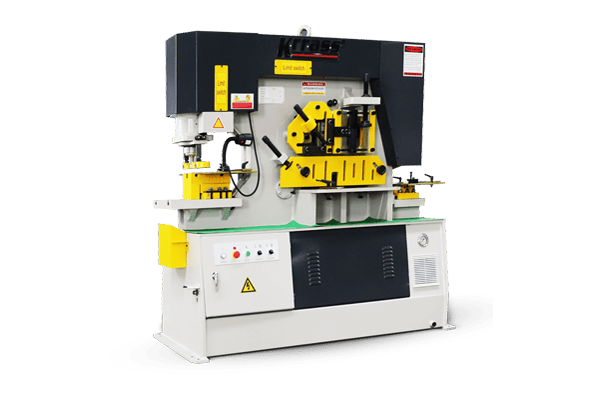
Hydraulic ironworkers use hydraulic power to perform cutting, punching, notching, and bending operations. They offer higher precision, greater power, and increased versatility compared to mechanical ironworkers.
Hydraulic ironworkers are popular in medium to large metal fabrication shops and manufacturing plants.
The most widely used Ironworker machine is the ydraulic Ironworker Machine. Because it is suitable for processing small workpieces and can work multiple stations at a time.
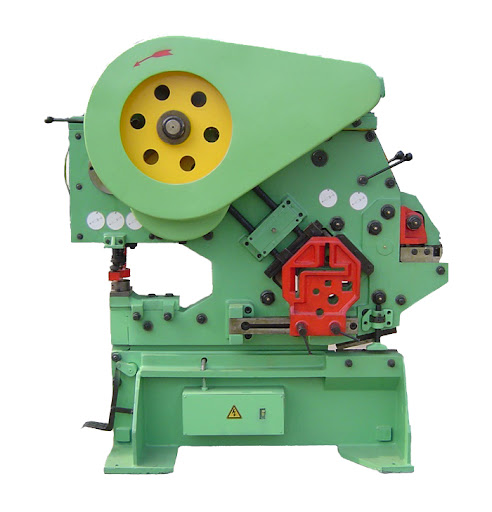
Here’s a comparison between mechanical and hydraulic ironworker machines:
Источник питания: Mechanical ironworkers are powered by mechanical means, typically using a flywheel and clutch system. They may require manual operation or foot pedals to activate the cutting, punching, and bending mechanisms. Hydraulic ironworkers use hydraulic power to generate the force needed for cutting, punching, notching, and bending operations. They typically offer greater control over the application of force, allowing for precise and efficient metalworking.
Скорость: Mechanical ironworkers often have a fixed speed determined by the rotation of the flywheel. While they can be efficient for smaller-scale operations, their speed may be limited compared to hydraulic ironworkers. Hydraulic ironworkers often offer variable speed settings, allowing operators to adjust the speed according to the specific task and material being processed. This can result in faster overall production rates compared to mechanical ironworkers.
Обслуживание: Mechanical ironworkers tend to have simpler mechanisms and require less maintenance compared to hydraulic counterparts. They may have fewer moving parts, reducing the likelihood of mechanical failures.
Расходы: Mechanical ironworkers are generally less expensive upfront compared to hydraulic models. They can be a cost-effective option for smaller shops or hobbyists with lower production volumes.
Force: Mechanical ironworkers may have limitations in terms of the force they can exert compared to hydraulic models. This could affect their ability to handle thicker or harder materials efficiently.
Универсальность: Hydraulic ironworkers are highly versatile and capable of performing a wide range of metalworking tasks, including cutting, punching, notching, and bending. They can handle various materials and thicknesses with ease.
Control: Hydraulic ironworkers offer precise control over the application of force, allowing for accurate and repeatable metalworking operations. This level of control is especially beneficial for tasks requiring tight tolerances or complex shapes.
Mechanical vs Hydraulic Ironworker Machine: How to Choose
Mechanical ironworkers are simpler, more cost-effective, and easier to maintain, but they may have limitations in terms of speed, force, and versatility. Hydraulic ironworkers, on the other hand, offer greater power, speed, versatility, and control, making them well-suited for heavy-duty industrial applications and tasks requiring precision and efficiency. The choice between mechanical and hydraulic ironworkers ultimately depends on factors such as budget, production requirements, and the specific needs of the metalworking operation.
Advantages and Disadvantages of Hydraulic Ironworker Machine
Hydraulic ironworker machines offer several advantages and disadvantages compared to other types of ironworker machines, such as mechanical models. Here are some of the key advantages and disadvantages of hydraulic ironworker machines:
Преимущества:
Универсальность: Hydraulic ironworkers are highly versatile machines capable of performing multiple metalworking operations, including cutting, punching, notching, and bending. This versatility makes them suitable for a wide range of metal fabrication tasks and materials.
Powerful: Hydraulic ironworkers utilize hydraulic power to generate significant force, allowing them to cut through thick or tough materials with ease. They can handle heavy-duty metalworking applications that may be challenging for other types of ironworker machines.
Precise Control: Hydraulic systems offer precise control over the application of force, allowing for accurate and repeatable metalworking operations. This level of control is essential for achieving tight tolerances and producing high-quality metal parts.
Variable Speed: Many hydraulic ironworkers feature variable speed settings, allowing operators to adjust the speed according to the specific task and material being processed. This flexibility improves efficiency and productivity, particularly for complex or varied metalworking projects.
Простота использования: Hydraulic ironworkers are relatively easy to operate, with intuitive controls and user-friendly interfaces. They require minimal physical effort from the operator, reducing fatigue and increasing productivity during prolonged use.
Безопасность: Hydraulic ironworkers often come equipped with safety features such as guards, emergency stop buttons, and overload protection systems to ensure operator safety during operation. These safety features help prevent accidents and injuries in the workplace.
Недостатки:
Первоначальные затраты: Hydraulic ironworker machines tend to be more expensive upfront compared to mechanical models. The initial investment cost may be prohibitive for smaller workshops or businesses with limited budgets.
Обслуживание: Hydraulic systems are more complex than mechanical systems and may require more frequent maintenance to ensure optimal performance. Regular maintenance tasks such as hydraulic fluid checks, filter replacements, and seal inspections are essential to prevent downtime and costly repairs.
Space Requirements: Hydraulic ironworkers are typically larger and heavier than mechanical models, requiring more floor space in the workshop or industrial facility. If space is limited, this could be a significant drawback.
Hydraulic Fluid Concerns: Hydraulic systems rely on hydraulic fluid to function properly. Issues such as leaks, contamination, or fluid degradation can affect the performance and reliability of the machine. Regular monitoring and maintenance of the hydraulic fluid system are necessary to prevent problems.
Потребление энергии: Hydraulic ironworker machines require electrical power to operate the hydraulic pump, which can result in higher energy consumption compared to mechanical models. However, advances in hydraulic system design have led to improved energy efficiency in modern machines.
Applications of Hydraulic Ironworker Machine
Изготовление металлических конструкций: Hydraulic ironworkers are widely used in metal fabrication shops to cut, punch, notch, and bend metal sheets, plates, bars, and sections. They are essential for creating precise and complex metal parts and components used in structures, machinery, equipment, and products.
Строительство: In the construction industry, hydraulic ironworker machines are utilized for fabricating structural steel components such as beams, columns, and brackets. They can efficiently cut, punch, and notch steel materials to the required specifications for building construction, infrastructure projects, and architectural applications.
Производство: Hydraulic ironworkers play a crucial role in manufacturing operations for producing various metal products and components. They are used in the production of automotive parts, machinery components, industrial equipment, appliances, and consumer goods, among others.
Steel Service Centers: Hydraulic ironworker machines are commonly found in steel service centers and metal processing facilities. They help process large volumes of steel and metal stock by cutting, punching, notching, and bending them into the desired shapes and sizes according to customer requirements.
Metalworking Workshops: Hydraulic ironworkers are essential tools in metalworking workshops of all sizes, from small-scale job shops to large-scale manufacturing facilities. They enable metalworkers to perform a wide range of metalworking tasks efficiently and accurately, improving productivity and reducing production time.
Shipbuilding and Marine Industries: Hydraulic ironworker machines are used in shipbuilding yards and marine industries for fabricating metal components used in ship construction, offshore structures, and marine equipment. They are instrumental in processing steel plates, profiles, and sections for various maritime applications.
Agricultural Machinery: Hydraulic ironworkers are utilized in the agricultural sector for fabricating metal components used in farming machinery and equipment. They can cut, punch, and bend metal materials to manufacture parts for tractors, harvesters, irrigation systems, and agricultural implements.
Repair and Maintenance: Hydraulic ironworker machines are indispensable tools for repair and maintenance tasks in various industries. They are used to replace damaged or worn-out metal parts, fabricate custom components, and perform metalworking repairs on machinery, equipment, vehicles, and infrastructure.
Hydraulic ironworker machines find extensive applications in metalworking industries where cutting, punching, notching, and bending of metal materials are required. Their versatility, efficiency, and precision make them indispensable tools for a wide range of metal fabrication and manufacturing processes.
How to Use a Hydraulic Ironworker Machine
- Проверьте блок питания, напряжение стабильное, нет обрыва фазы, защита от утечки и воздушный выключатель исправны.
- Для подключения проводов откройте электрощиток комбинированного штамповочно-режущего станка, подсоедините провода и закройте дверцу щитка.
- Нажмите на ножной выключатель после включения питания, и машина не будет работать. Подключите шнуры питания и проверьте, включен ли одновременно аварийный выключатель.
- Подключите ножной педальный переключатель.
- Во время работы следите за тем, чтобы каждый раз при смене формы отключать питание.
- После завершения работы выключите выключатель, выключите главный выключатель питания, снимите изоляцию с сетевого шнура и уберите мусор.
Precautions When Using Hydraulic Ironworker Machine
- Перед началом движения проверьте, не ослаблены ли трансмиссионные детали штамповочно-режущего станка, а также соединительные винты и штифты каждой детали. Убедитесь в исправности электрического заземления.
- Перед началом работы смажьте все детали, запустите пробный запуск на две-три минуты, а затем приступайте к работе без каких-либо проблем.
- Перегрузка не допускается, а пробивка и резка закаленной стали строго запрещены.
- При выполнении работ необходимо использовать перчатки и средства индивидуальной защиты. Ношение сандалий и тапочек строго запрещено.
- При пробивке и резке всегда добавляйте масло в пуансоны, чтобы предотвратить перекос верхнего и нижнего пуансонов.
- При подаче материала, особенно если листовой материал не прижимается прижимной лапкой в конце, следует соблюдать осторожность и бережно относиться к пальцам. Пробивка и резка материала запрещены.
- Категорически запрещается разбирать и проверять режущую кромку и штамповочный инструмент во время работы. Не следует с силой ударять по штампам, ножницам и другим деталям.
- Строго контролируйте диапазон технических характеристик листового материала, и категорически запрещается штамповка и резка, если он превышает этот диапазон.
- На рабочем месте не должно скапливаться множество других предметов и большое количество моющих средств, а также необходимо останавливать работы во время регулировки и уборки.
- После завершения работ отключите электропитание, чтобы вовремя завершить уборку территории.
Обслуживание
Регулярная проверка: Perform visual inspections of the machine regularly to check for any signs of wear, damage, or leaks. Inspect hydraulic hoses, fittings, seals, and cylinders for any signs of leakage or deterioration.
Hydraulic Fluid Checks: Check the hydraulic fluid level regularly and top up if necessary. Inspect the hydraulic fluid for signs of contamination, such as dirt, debris, or water. Replace the hydraulic fluid and filters according to the manufacturer’s recommendations.
Смазка: Ensure that all moving parts, including bearings, joints, and guides, are properly lubricated according to the manufacturer’s specifications. Use the recommended lubricants and grease points to prevent friction, wear, and corrosion.
Cleanliness: Keep the machine clean and free from dirt, dust, and debris. Regularly clean the work area, surfaces, and components to prevent contamination of hydraulic fluid and maintain optimal performance.
Safety Checks: Inspect safety features such as guards, emergency stop buttons, and overload protection systems regularly to ensure they are functioning correctly. Replace or repair any damaged or malfunctioning safety components immediately.
Alignment and Adjustment: Check the alignment and adjustment of cutting blades, punching dies, and bending attachments regularly to ensure accurate and precise operation. Make any necessary adjustments or replacements to maintain quality and consistency in metalworking tasks.
Электрические компоненты: Inspect electrical connections, switches, and controls regularly to ensure they are secure and functioning correctly. Check for any signs of damage or wear and replace or repair as needed.
Training and Operator Awareness: Provide training to operators on the proper operation, maintenance, and safety procedures for the hydraulic ironworker machine. Encourage operators to report any issues or abnormalities promptly to prevent further damage or safety hazards.
Плановое техническое обслуживание: Follow the manufacturer’s recommended maintenance schedule for the hydraulic ironworker machine. Schedule routine inspections, lubrication, and servicing to prevent unexpected breakdowns and downtime.
Professional Service: If significant repairs or servicing are required, consult a qualified technician or service provider familiar with hydraulic systems and ironworker machines. Avoid attempting complex repairs or adjustments without the necessary expertise and equipment.
By performing regular maintenance and following proper care procedures, you can ensure that your hydraulic ironworker machine operates efficiently, safely, and reliably for years to come.
Technical Parameters of Q35Y Series Hydraulic Ironworker Machine
| Технические характеристики | Q35Y-12 | Q35Y-16 | Q35Y-20 | Q35Y-25 | Q35Y-30 | Q35Y-40 | Q35Y-50 | |||
|---|---|---|---|---|---|---|---|---|---|---|
| Давление пробивки (Т) | 35Т | 60Т | 90Т | 120Т | 160Т | 200Т | 250Т | |||
| Глубина зева (мм) | 115 | 300 | 355 | 400 | 600 | 600-е | 600 | |||
| Стандартная матрица | Удар | Диаметр x Максимальная толщина | мм | 25х12 | 25х16 | 30х20 | 35X25 | 38х26 | 40X35 | 40х40 |
| Диаметр x Толщина | мм | 25х12 | 25х16 | 30х20 | 35X25 | 38х26 | 40X35 | 40х40 | ||
| Макс. диаметр | мм | 12 | 25 | 30 | 35 | 38 | 40 | 40 | ||
| Путешествовать | мм | 35 | 80 | 80 | 80 | 80 | 80 | 80 | ||
| Рабочие поездки | мм | X18 | X20 | X25 | X25 | X30 | X35 | X40 | ||
| Глубина горла | мм | 115 | 300 | 355 | 400 | 600 | 600 | 600 | ||
| Стальной прут | Круглый | мм | 35 | 45 | 50 | 60 | 65 | 70 | 80 | |
| Квадрат | мм | 30х30 | 40х40 | 50х50 | 50х50 | 55х55 | 60х60 | 65х65 | ||
| Стальной уголок | Размер угла | мм | 86X86X8 | 125х125х12 | 140х140х12 | 160х1160х14 | 180х180х16 | 200х200х18 | 200х200х20 | |
| Угол среза | ° | 50х50х5 | 50х50х5 | 50х50х5 | 60х60х6 | 60х60х6 | 100х100х10 | 120х120х10 | ||
| Угловой профиль | мм | 5.5 | 5.5 | 6.5 | 9 | 11.5 | 12 | 12 | ||
| Прорезка слотов | Толщина | мм | 100 | 126 | 160 | 210 | 280 | 300 | 320 | |
| Ширина | мм | 30 | 53 | 60 | 75 | 86 | 89 | 92 | ||
| Глубина | мм | |||||||||
| Дополнительный кубик | Профиль в форме пользовательского интерфейса | мм | 100х100х8 | 125х125х12 | 140х140х12 | 160х160х14 | 180х180х16 | 160х160х14 | 180х180х16 | |
| Т-образный профиль | мм | 40х40х6 | 60х60х8 | 70х70х10 | 80х80х10 | 80х80х10 | 80х80х10 | 80х80х10 | ||
| Двутавровая балка | мм | 40х60х4 | 126X74X5 | 160X86X6 | 200х102х9 | 280х124х10,5 | 300х126х11 | 320х130х10 | ||
| V-образный изгиб | Длина | мм | 600 | 600 | 600 | 600 | 600 | 600 | 600 | |
| V-образный изгиб | Толщина | мм | 4 | 10 | 15 | 20 | 26 | 33 | 40 | |
| Напряжение | Кн | 350 | 600 | 900 | 1200 | 1600 | 2000 | 2500 | ||
| Мощность двигателя | кВт | 4 | 5.5 | 7.5 | 11 | 15 | 18.5 | 18.5 | ||
| Масса | Кг | 1600 | 1800 | 2400 | 4200 | 6800 | 7600 | 13500 | ||
| Габаритные размеры (ДхШхВ) | мм | 950х950х1800 | 1640X730X1770 | 1860x800x1990 | 2355X960X2090 | 2680X1040X2300 | 2970X1240X2350 | 3000X1440X2450 | ||
Заключение
Hydraulic ironworker machines are valued for their efficiency, versatility, and ability to perform multiple metalworking tasks in a single machine, making them essential equipment in many metal fabrication and manufacturing operations. If you’re looking for a hydraulic ironworker machine with international standards, then contact KRRASS. KRRASS is the best company that supplies Q35Y series hydraulic ironworker machines all around the globe so no order is too small or too large to complete!


Отзыв от 1 пользователя
Хорошая машина
Very good iron workers, we have been buying for 2 years, we will buy again soon.