Введение
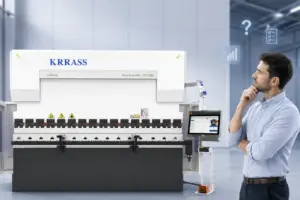
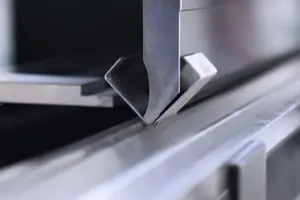
Он листогибочный пресс является одной из важнейших машин в металлообработка, Это позволяет производителям точно и равномерно сгибать и придавать форму листовому металлу. По мере развития технологий предприятия сталкиваются с важным решением: стоит ли им инвестировать в такую технологию. гидравлический листогибочный пресс или ан электрический листогибочный пресс?
Обе модели имеют свои сильные и слабые стороны, и выбор часто зависит от стоимости, требований к производительности и конкретных областей применения. Это руководство подробно расскажет о различиях, помогая вам принять правильное решение для вашего цеха.
👉 Узнайте больше о KRRASS опыт компании при разработке инновационных Станки для гибки с ЧПУ для современных отраслей промышленности.
1. Понимание основ работы листогибочных прессов.
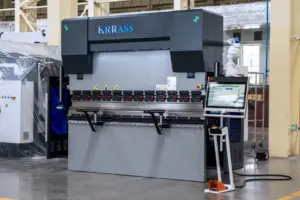
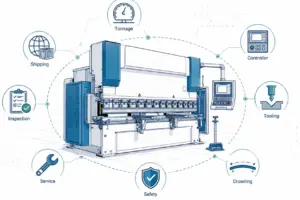
A Станок для гибки с ЧПУ Использует передовые системы управления для гибки листового металла под точными углами. Наиболее распространенные два типа:
- Гидравлический листогибочный пресс – Использует гидравлические цилиндры для создания давления.
- Электрический листогибочный пресс – Использует сервоэлектрические двигатели для изгибания.
Обе машины широко используются в металлообработка, Однако их показатели значительно различаются.
👉 Ознакомьтесь с продукцией KRRASS портфолио листогибочных прессов для продвинутых моделей.
2. Гидравлические и электрические листогибочные прессы: сравнительный анализ.
| Особенность | Гидравлический листогибочный пресс | Электрический листогибочный пресс |
|---|---|---|
| Источник питания | Гидравлические цилиндры | Сервоэлектрические двигатели |
| Точность | ±0,2 мм | ±0,05 мм |
| Скорость | Умеренный | Очень быстро |
| Энергоэффективность | Более высокое энергопотребление | 30–50% меньшее энергопотребление |
| Обслуживание | Более часто (масло, уплотнения) | Нижний (без гидравлики) |
| Первоначальные затраты | Ниже | Выше |
| Приложения | Прочные толстые материалы | Высокоточные, более тонкие материалы |
(Источник: Фабрикатор)
3. Преимущества гидравлических листогибочных прессов
3.1 Высокая мощность для тяжелых работ
Гидравлические системы создают огромное давление, что делает их идеальными для металлообработка из толстых листов и высокопрочных сплавов.
3.2 Более низкие первоначальные инвестиции
Гидравлические модели, как правило, стоят дешевле на начальном этапе, что делает их привлекательными для малых и средних производителей.
3.3 Доказанная надежность
Благодаря многолетнему опыту применения в промышленности, гидравлический листогибочный пресс Ему доверяют за его долговечность и универсальность.
4. Преимущества электрических листогибочных прессов
4.1 Высокая точность
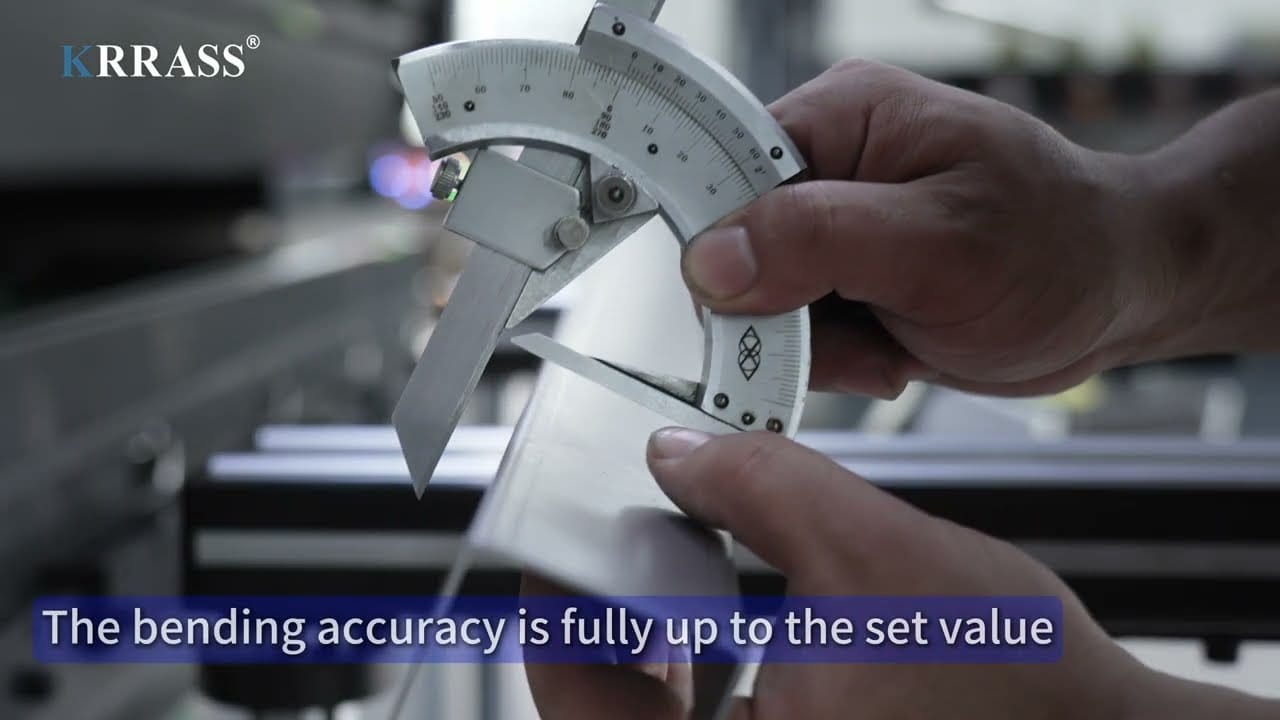
Электрические модели отличаются исключительной точностью, что делает их идеальными для таких отраслей, как аэрокосмическая, автомобильная и электронная промышленность, где допуски очень жесткие.
4.2 Энергоэффективность
Электрогибочные прессы потребляет меньше энергии, поддерживая устойчивое производство и снижение эксплуатационных расходов.
4.3. Снижение затрат на техническое обслуживание
Отсутствие гидравлических жидкостей и уплотнений означает меньшее количество поломок и сокращение времени простоя.
4.4 Более быстрая настройка и эксплуатация
Системы с сервоприводом позволяют быстро переключаться между задачами, повышая производительность при крупносерийном производстве.
5. Когда следует выбирать гидравлический или электрический привод?
- Выберите гидравлический листогибочный пресс, если:
- Ваш процесс более толстые материалы (≥10 мм)
- Вам нужно более дешевое решение.
- Прочность и долговечность важнее скорости.
- Выберите электрический листогибочный пресс, если:
- Вам требуется высокоточные станки для гибки с ЧПУ
- Устойчивое развитие и энергоэффективность являются приоритетами.
- Производство предполагает использование более тонких материалов или сложных форм.
👉 Нужна помощь в выборе? Свяжитесь со специалистами KRRASS. для индивидуальных рекомендаций.
6. Меры безопасности при работе с листогибочным прессом
Будь то гидравлический или электрический, Станки для гибки с ЧПУ необходимо строго соблюдать защита оператора стандарты:
- Использование световых завес и защитных ограждений.
- Регулярное техническое обслуживание и осмотры
- Комплексное обучение операторов
(Ссылка: OSHA – Стандарты защиты оборудования)
7. Будущее инноваций в области листогибочных прессов
В 2025 году и в последующие годы будет наблюдаться больше гибридные листогибочные прессы, Сочетая мощь гидравлики с эффективностью сервоэлектрических систем. Интеллектуальные контроллеры ЧПУ и интеграция с IoT еще больше улучшат:
- Прогнозируемое техническое обслуживание
- Мониторинг в режиме реального времени
- Автоматизация с помощью роботизированных манипуляторов
Эти инновации определят будущее металлообработка.
8. Пример из практики: Переход от гидравлической к электрической системе.
Средний по размеру поставщик автомобильных комплектующих заменил три гидравлических листогибочных пресса на два новых. электрические листогибочные прессы. Спустя год они сообщили:
- 25% снижение затрат на электроэнергию
- 30% более быстрые производственные циклы
- Повышена точность гибки. для кузовных панелей
- Сокращение времени простоя на техническое обслуживание.
Это демонстрирует, как электрические листогибочные прессы могут повысить как экологичность, так и производительность.
Заключение
Выбор между гидравлический листогибочный пресс и ан электрический листогибочный пресс Это зависит от целей вашего бизнеса, потребностей в материалах и долгосрочной стратегии.
Гидравлические модели обеспечивают мощность и доступность для выполнения сложных задач, при этом электрические модели Обеспечивать точность, скорость и экологичность. Для многих производителей оптимальным выбором может стать даже сочетание того и другого.
👉 Узнайте больше о История и опыт компании KRRASS
👉 Ознакомьтесь с полным ассортиментом нашей продукции прессовые тормоза
👉 Есть вопросы? Свяжитесь с нами сегодня
Тщательно взвесив все «за» и «против», вы сможете сделать выбор. Станок для гибки с ЧПУ что обеспечивает эффективность, безопасность и прибыльность в конкурентном мире металлообработка.