
Subtractive manufacturing techniques are commonly used for part fabrication in various industries, with corte a laser de chapa metálica being a key method. This precise and accurate process focuses a laser beam on the material surface to burn, vaporize, or melt it, producing the desired outcomes. This guide provides all the essential information you need before incorporating laser cutting into your next manufacturing project.
What’s Sheet Metal Laser Cutting?
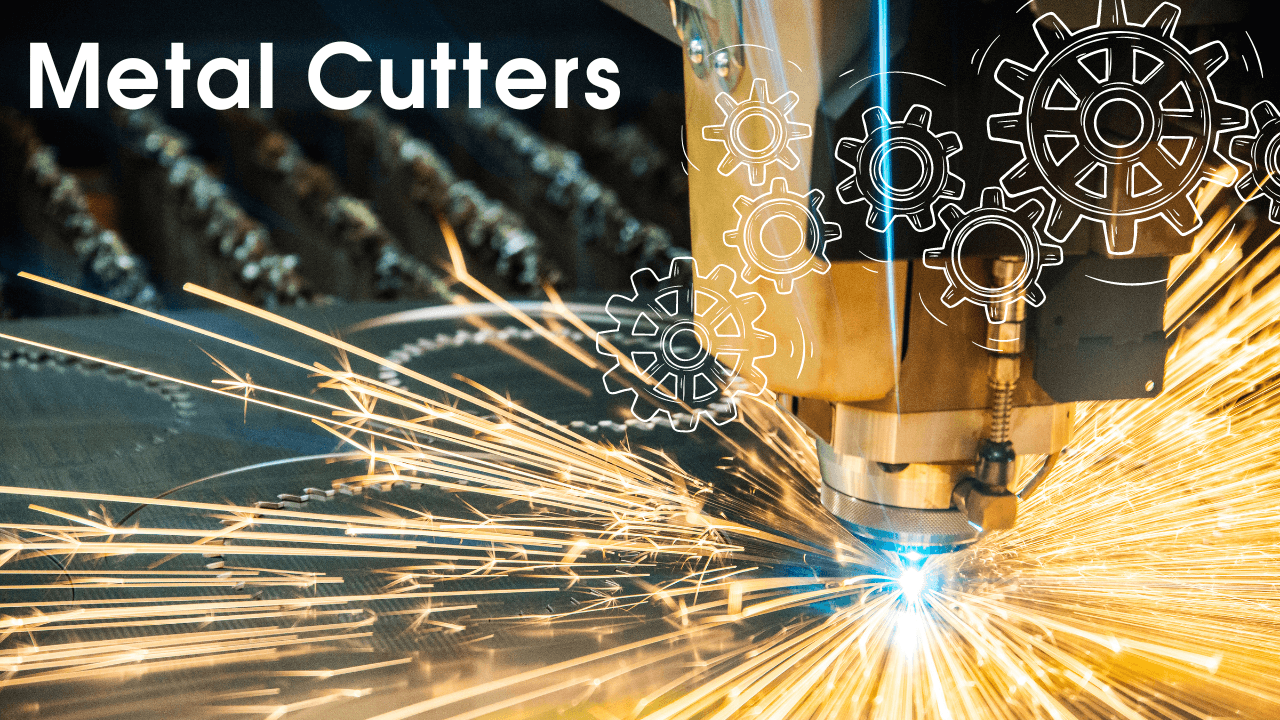
Sheet metal laser cutting is one of the primary industrial manufacturing techniques. As such, sheet metal laser cutting appears to be one of the go-to procedures. Laser cutting fabrication uses a high-power beam of light (laser) to cut out flat and thin sheets of metals. The process is directed by optics and computer numerical control (CNC) technology, which accounts for the high precision of laser cut parts.
History of Sheet Metal Laser Cutting
A tecnologia de corte a laser existe há mais de 60 anos, sendo que a primeira tentativa de cortar chapas metálicas data de 1960.
Em 1964, CO2 Os lasers já eram utilizados na fabricação de detalhes complexos, como a soldagem de molas de relógio. A automação e a alta precisão do corte a laser, em comparação com outros processos de corte, tornaram-no amplamente aceito para a fabricação delicada e a produção em larga escala.
Os lasers de fibra foram produzidos pela primeira vez na década de 60, mas só chegaram ao mercado comercial no final da década de 80. A década de 90 é considerada a era de ouro da tecnologia laser, pois deu origem a muitos lasers de alta potência, como os lasers de estado sólido, que melhoraram drasticamente a eficiência e a produtividade. No início dos anos 2000, os serviços de corte a laser já eram uma técnica de fabricação amplamente aceita e utilizada por diversos setores, como as indústrias automotiva e aeroespacial.
Tipos de lasers para corte de chapas metálicas
Existem três tipos diferentes de lasers para corte de materiais na indústria. Cada cortadora a laser possui características únicas que as diferenciam das demais. Dito isso, segue abaixo um resumo completo dos três tipos de cortadoras a laser.
Lasers de fibra
Fiber laser cutting machines are some of the most potent precision cutting devices. They belong to the solid-state lasers using seed lasers to amplify the beam with special glass fibers. They are effective for cutting pieces of metals, alloys, and non-metals like glass, plastics, and even wood. Other than simple cutting operations, they are suitable for metal engraving and annealing.
Fiber laser kerfs are more extensive than others; this may account for their high power. They possess a long service life of not less than 25,000 hours and thus require less maintenance. They produce some of the strongest and most stable beams. However, they are best suited for materials with less than 20 mm thickness.
CO2 Lasers
CO2 lasers produce the beam of light by running electricity through a tube filled with a mixture of gases. The gas mixture contains mainly carbon dioxide and inert gases – helium and nitrogen, the commonest forms for lasers.
However, they are less potent compared to fiber lasers. CO2 laser machines can only cut non-metals like wood, acrylic, and plastics. In some cases, they may also function for sheet metal laser cutting, especially thin sheets of aluminum and some other non-ferrous metals.
Lasers de cristal
Existem dois tipos de cortadores a laser de cristal: Nd:YAG (granada de ítrio e alumínio dopada com neodímio) e Me:YVO (ortovanadato de ítrio dopado com neodímio, YVO4). Ambos são dispositivos de corte de altíssima potência. No entanto, são bastante caros, embora tenham cerca de metade da vida útil dos lasers de fibra – de 8.000 a 15.000 horas. São adequados para cortar metais revestidos e não revestidos, não metais e plásticos, e até mesmo cerâmica em circunstâncias específicas.
Three Sheet Metal Laser Cutting Processes
Laser cutting sheet metal is the thermal process that involves using a laser beam to cut out pieces off a metal sheet. Primarily, there are three methods of cutting sheet metal.
Corte por fusão a laser
O corte por fusão utiliza um gás de corte inerte, geralmente nitrogênio ou argônio, para expelir o material fundido da tocha de corte. O uso de gás inerte impede a oxidação na aresta de corte sem que haja reação com o processo. É um processo adequado para chapas planas e finas, e para casos em que o material precisa atender a altos padrões de acabamento visual e exigir menos pós-processamento.
Corte a chama com feixe de laser
Flame cutting uses oxygen gas to expel the molten material. It causes an exothermic reaction which accounts for an increase in the overall energy input of the process. The process is ideal for cutting mild steel, among other types of sheet metals and fusible materials like ceramics.
Corte por sublimação a laser
O corte por sublimação utiliza um laser para evaporar partes de um material com menos fusão. Assim como no corte por fusão, gases inertes – nitrogênio, hélio ou argônio – são utilizados como gás de corte, garantindo que as arestas de corte fiquem livres de oxidantes. Embora seja um processo lento, produz bordas de alta qualidade para cortes de alta precisão.
Advantages of Sheet Metal Laser Cutting
A seguir, apresentamos cinco vantagens essenciais dessa técnica de fabricação.
Cortes de alta precisão
Na fabricação por corte a laser, o feixe de luz corta metais com altíssima precisão. A exatidão e a precisão com que o laser funde e evapora materiais são incomparáveis a muitos outros métodos de corte. Algumas ferramentas de corte por matriz têm níveis de tolerância de cerca de 1 a 3 mm, enquanto os cortadores a laser cortam com uma precisão de até 0,003 mm.
Alta utilização de folhas
As máquinas de corte a laser oferecem a oportunidade de aproveitar uma grande porcentagem dos materiais de fabricação. A tecnologia praticamente elimina o desperdício, pois maximiza o número de partes utilizáveis de qualquer chapa metálica. Portanto, há menos preocupação com excesso de material; você pode comprar a quantidade exata, sabendo que será suficiente.
Versatilidade de corte extrema
As operações de corte a laser são altamente flexíveis e versáteis. Uma única máquina de corte a laser funciona bem para diferentes operações de corte, como cortes simples, cortes complexos com detalhes intrincados, marcações, furações e até gravações. Portanto, os fabricantes não precisam substituir as ferramentas periodicamente durante o processo.
Baixo consumo de energia
Ao contrário de algumas outras máquinas de corte, as cortadoras a laser não exigem a movimentação de diferentes partes do equipamento. Isso permite que elas cortem peças de material com eficiência, sem consumir muita energia. Enquanto as cortadoras a laser podem funcionar com 10 kW de energia, a maioria dos outros processos pode consumir até cinco vezes mais.
Pouco ou nenhum dano
Talvez você pense que a exposição ao calor durante o corte a laser possa causar deformação ou distorção das peças, ou até mesmo danos totais. Bem, isso não é verdade. As partes afetadas pelo calor no corte a laser são mínimas e não representam nenhuma ameaça à tolerância das características ou componentes após a fabricação.
Disadvantages of Sheet Metal Laser Cutting
Despite its numerous benefits, laser cutting sheet metal has a few shortcomings. Let’s discuss them.
Necessidade de operador especializado
To best utilize your laser cutters, you might need to employ a professional to operate the machine for part’s fabrication. An expert, for example, will quickly detect a fault or an improper setup that may affect the production processes or even the machine’s integrity.
Limitações na espessura do metal
Embora o corte a laser funcione bem com uma ampla gama de materiais, incluindo chapas metálicas, recomenda-se o uso de outros métodos de corte ao lidar com metais espessos. As máquinas de corte a laser comuns são ideais para cortar chapas de alumínio com espessura máxima de 15 mm e aço de 6 mm.
Gases nocivos
Como as máquinas de corte a laser derretem e evaporam materiais, elas liberam uma quantidade significativa de gases nocivos ao cortar plástico. Consequentemente, é fundamental operar o corte a laser em uma sala bem ventilada ou em um ambiente de trabalho seguro.
Alto investimento inicial
O custo de uma máquina de corte a laser de alta qualidade é elevado. Uma máquina de corte a laser típica pode custar cerca de 1.000 a 3.000 ienes, o dobro do custo de máquinas de corte a jato de água ou plasma. Para atuar no ramo de serviços de corte a laser como negócio, é necessário arcar com o alto investimento inicial.
Power Tools for Metal Cutting
When efficiency and power are needed, electric and pneumatic tools come into play. These tools can handle larger projects and tougher materials with ease.
Angle Grinders
Angle grinders are versatile tools that can cut, grind, and polish various metals. With the right attachment, they’re capable of cutting through rebar, fencing, and even steel plates.
Angle grinders are available in various sizes, including portable cordless models ideal for outdoor projects.
When using an angle grinder for cutting, always use a metal cutoff wheel and let the tool’s weight do most of the work. Avoid applying extra pressure, which can cause the wheel to bind or break.
Circular Saws
While circular saws are traditionally used for woodworking, they can also be used for metal-cutting tasks with the right blade. They’re particularly useful for cutting sheet metal, roofing, and corrugated metal. Here’s how to use a circular saw for metal cutting:
- Install a metal-cutting blade with the appropriate tooth count for your material.
- Mark your cutting line clearly.
- Secure the metal to prevent vibration and ensure a straight cut.
- Cut slowly and steadily, allowing the blade to do the work without forcing it.
Circular saws are excellent for making long, straight cuts in metal roofing or siding. They can also handle stacked sheets, saving time on repetitive cuts.
Reciprocating Saws
Reciprocating saws, often called sawzalls, are the Swiss Army knives of power tools. They can cut through various materials, including metal pipes, sheets, and profiles. Different blades are available for various metal types and thicknesses, and these saws have enough power to handle thick metal stock that might be challenging for other handheld tools.
When using a reciprocating saw, make sure the material is firmly clamped and use a blade appropriate for the metal’s thickness. Let the saw do the work, applying only moderate pressure to guide it through the cut.
Specialized Metal Cutting Equipment
For professional-grade cutting or specialized applications, more advanced tools are often necessary. These tools offer precision, power, and efficiency for larger or more complex metal-cutting tasks.
Plasma Cutters: High-Tech Precision
Plasma cutters use a high-temperature plasma arc to slice through conductive metals with precision. They’re ideal for cutting sheet metal, plate steel, and other conductive materials. Benefits of plasma cutters include the following:
- Velocidade: Can cut through thick metal much faster than traditional methods
- Precisão: Capable of making intricate cuts with minimal material waste
- Versatilidade: Can cut a wide range of metal thicknesses and types
While plasma cutters are expensive, they’re a great addition to metalworking shops and for fabricators who frequently work with thick or complex metal pieces.
Oxy-Acetylene Torches: Heavy-Duty Cutting
Oxy-acetylene torches are powerful tools that use a mixture of oxygen and acetylene gas to create a high-temperature flame capable of cutting through thick metal. They’re particularly useful for the following:
- Cutting thick steel plates and structural steel
- Demolition work where precision isn’t critical
- Situations where electrical power isn’t available
Using an oxy-acetylene torch requires skill and practice. If you use this tool, wear appropriate protective gear and have proper ventilation.
Cold Saws: Clean Cuts for Professionals
Cold saws are precision cutting tools that use a circular blade and coolant to make clean, accurate cuts in metal without generating excessive heat. They offer several advantages, including the following:
- Precisão: Produce clean cuts with minimal burring
- Eficiência: The coolant system allows for continuous operation without overheating
- Longevity: Blades last longer due to reduced heat and friction
While more expensive than some other options, cold saws are invaluable for metalworking professionals who regularly complete high-precision cuts.
Choosing the Right Tool for Your Project
When choosing a metal cutting tool, consider these factors:
- Metal type and thickness: Softer metals, like aluminum, require different tools than hardened steel.
- Cut precision: Some projects require clean, precise cuts, while others allow rougher edges.
- Project scale: Large-scale projects may justify investing in more powerful, efficient tools.
- Portabilidade: Consider whether you need a tool that can be easily moved or used in various locations.
- Orçamento: Balance the cost of the tool against the frequency and importance of your metal-cutting needs.
Dicas de design para peças cortadas a laser
For effective and efficient use of the laser cutting services for your parts. You need to adhere to the below sets of tips for your laser cutting product design.
Os seus dados não podem ser menores que a espessura do metal.
A espessura é um fator importante a ser considerado em operações de corte a laser. Ela está diretamente relacionada à potência do laser. Portanto, quanto maior a espessura, menor a capacidade do laser de penetrar e cortar o material. No entanto, aumentar a potência do laser em alguns casos pode aumentar a probabilidade de corte do material.
Lembre-se do Kerf
O design do laser torna importante observar o que chamamos de "kerf". Kerf é o material que evapora quando o feixe de laser atinge o material a ser cortado. Não ocorre apenas no corte a laser, sendo também visível em outros processos de usinagem subtrativa. O kerf no corte a laser ocorre devido à espessura do feixe de laser. É um fator importante a ser considerado na fase de projeto.
Escolha o material certo
The right material is the most important thing to note before a laser cutting operation. Choosing a material depends on the properties you want the end product to have. For example, materials have different properties in terms of rigidity, translucency, and flexibility. At Rapid Direct, you will have access to different sheet metal laser cutting, plastics, paper, etc.
Os espaçamentos são importantes.
O espaçamento é crucial no corte a laser para minimizar erros e obter o melhor resultado possível. O espaçamento mínimo deve ser igual à espessura do material. Por exemplo, no corte a laser de chapas metálicas, se a chapa tiver 2 mm de espessura, o espaçamento entre dois percursos deve ser de 2 mm. Isso também é importante ao trabalhar com diferentes designs de corte a laser em chapas metálicas.
Converta seu texto em pontos de ancoragem e curvas.
Nem todas as operações a laser exigem recorte de texto. No entanto, se precisar incorporar texto, é recomendável espaçar as letras e escrevê-las em formato grande. Isso garante uma operação mais suave e um melhor resultado. Se as letras estiverem muito próximas, podem se sobrepor, tornando a inscrição ilegível.
Techniques for Cutting Different Metal Forms
Different metal forms require specific cutting techniques to achieve the best results. Here are some tips for common metal-cutting tasks.
Cutting Sheet Metal
Cutting sheet metal requires precision and the right approach. Take the following steps when cutting sheet metal:
- Mark your cutting line clearly with a permanent marker or scribe.
- For straight cuts, use a straight edge as a guide.
- When using power tools, start the cut at the edge of the sheet and maintain a steady pace.
For intricate cuts, consider using a jigsaw with a metal-cutting blade or a plasma cutter for thicker sheets. Remember to wear gloves to protect your hands from sharp edges, and always support the sheet metal properly to prevent bending or warping during cutting.
Cutting Pipes and Tubes
Cutting pipes and tubes requires a different approach than sheet metal.
- Mark the entire circumference of the pipe before cutting to ensure a straight cut.
- Use a vise or pipe clamp to secure the pipe and prevent vibration during cutting.
- Use a pipe cutter for clean, precise cuts on small-diameter pipes and a reciprocating or band saw for larger pipes.
After cutting, use a deburring tool or file to smooth the cut edge and remove any internal burrs that could restrict flow in plumbing applications.
Cutting Metal Roofing
Cutting metal roofing requires care to avoid damaging the material or creating unsafe edges. Here are the steps you should take when cutting metal roofing:
- Measure and mark your cutting line on the underside of the roofing panel.
- Use tin snips for small cuts or corners and a circular saw with a metal-cutting blade for long, straight cuts.
- Cut with the painted side down to minimize damage to the finish.
- Use steam cleaning to remove any metal shavings or debris after cutting to prevent rust.
Always wear gloves and eye protection when cutting metal roofing, as the edges can be extremely sharp.
Should I Invest in a Laser Cutting Machine or Choose a Service
From simple equipment fabrications to large companies – like the aerospace and automotive industries – laser cutting services are crucial for various manufacturing operations. The technique is an effective and highly efficient procedure suitable for a vast array of materials.
However, the smart choice for small-scale manufacturing companies is to choose a service rather than investing in the machine, as it is an excellent way to save cost yet offer quality to customers. However, if the funds are available, investing in laser cutting machines could be highly profitable because of the numerous advantages that come with the device.
Anyways, the choice is solely dependent on manufacturers. But should you choose to hire a service, contact Krrass – an expert in providing sheet metal laser cutting services.
Your Online Laser Cutting Services for Sheet Metal Parts
Are you looking for a company that guarantees quality laser cutting services? Then, Krrass is just what you need for your fabrication.
We are a trusted company providing sheet metal fabrication services for rapid prototyping and custom production. We guarantee high-quality sheet metal laser cutting services, and we provide cost-effective and on-demand solutions as per your request.
Alternativas ao corte a laser
Talvez você não queira usar o corte a laser e não tenha certeza de como recortar formas em chapas metálicas; abaixo estão outras opções de alta qualidade para suas necessidades de fabricação.
EDM
EDM, Electrical Discharge Machining, like laser cutting, uses thermal energy to remove pieces of material. It uses electrical discharges (sparks) to cut out the desired shape from a material. Compared to laser cutting, EDM produces a better surface finish with a less heat-affected zone. Also, it is suitable for cutting hardened pieces of material.
Fresagem CNC
A fresagem CNC envolve o uso de fresas rotativas de alta velocidade para moldar materiais. As operações de fresagem funcionam bem em metais, ligas e não metais. Assim como o corte a laser, são processos de fabricação subtrativa de alta precisão. A principal diferença entre os dois processos é que, enquanto a fresagem utiliza ferramentas de corte – fresas rotativas – para esculpir ou moldar desenhos, o corte a laser utiliza feixes de luz, fusão a laser ou queima a forma do desenho.
Corte a jato de água
O corte a jato de água é uma técnica de fabricação que envolve o uso de água ou uma mistura de água e substâncias abrasivas sob alta pressão para cortar um material.
Below is a comparison between water jet cutting and laser cutting.
- As máquinas de corte a laser podem gravar números ou marcas, enquanto o corte a jato de água permite apenas o corte.
- Ambos os métodos são adequados para cortar uma ampla gama de materiais. No entanto, os jatos de água não conseguem cortar materiais mais espessos do que os cortadores a laser, até 50 mm.
- O corte a laser possui melhores níveis de tolerância e presta mais atenção aos detalhes intrincados, o que o torna a melhor escolha para geometrias complexas.
Soco
A punção utiliza uma prensa para recortar o formato desejado de um material. Assim como outras operações CNC, a punção é uma técnica de alta precisão para a fabricação de peças, sendo adequada para uma ampla gama de materiais. No entanto, a punção não é ideal para a fabricação de componentes com geometrias complexas.
Conclusão
Laser cutting is a technology used in rapid prototyping for cutting materials. This article introduced the operation, its history, types, and other things you might know. We believe that you’ve learned one or more things about laser cutting. However, you can trust us at Krrass for the best laser cutting services.
 English
 Portuguese
 Spanish