Introdução
No mundo em constante evolução de fabricação de metal, A escolha da tecnologia de corte pode determinar a eficiência, a qualidade e a competitividade de uma fábrica. Há décadas, corte a plasma e corte de CO2 dominou a indústria. No entanto, com o avanço de máquinas de corte a laser de fibra, Os fabricantes estão repensando suas estratégias.
Qual é, então, a opção certa para o seu negócio? Este artigo compara. máquinas de corte a laser de fibra, corte de CO2, e corte a plasma Para te ajudar a tomar uma decisão informada.
1. O que é corte a laser de fibra?
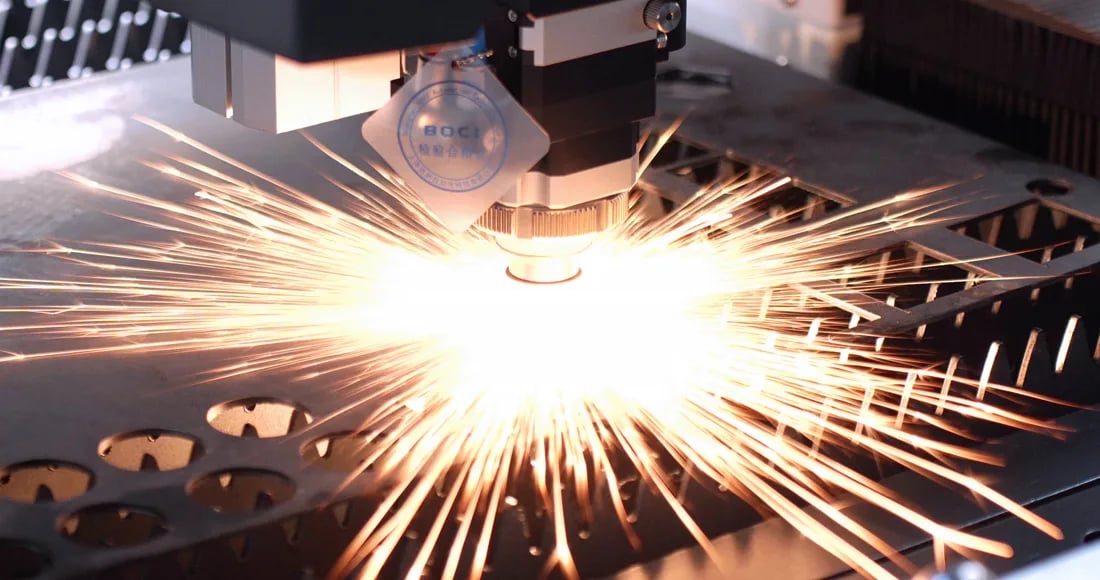
A máquina de corte a laser de fibra Utiliza fibra óptica para transmitir feixes de laser de alta potência, conseguindo cortes ultraprecisos com distorção térmica mínima. Ao contrário dos métodos tradicionais, é mais rápido, mais preciso e capaz de cortar geometrias complexas em chapas metálicas.
👉 Saiba mais sobre a KRRASS experiência da empresa no fornecimento de soluções avançadas em chapa metálica.
2. Tecnologias de corte tradicionais
Antes dos sistemas de laser de fibra, corte a plasma e corte a laser de CO2 eram as opções padrão.
- Corte a plasmaUtiliza gás condutor de eletricidade para fundir materiais. Adequado para chapas grossas, mas com menor precisão.
- corte de CO2Utiliza um laser a gás, oferecendo bordas mais suaves do que o plasma, mas exigindo maior manutenção.
3. Corte a laser de fibra vs. corte a plasma vs. corte a CO2
Segue uma tabela comparativa detalhada:
| Recurso | Corte a laser de fibra | Corte de CO2 | Corte a plasma |
|---|---|---|---|
| Precisão | ±0,05 mm | ±0,1 mm | ±0,3 mm |
| Velocidade de corte | Muito alto | Moderado | Alto |
| Gama de materiais | Metais, ligas metálicas, materiais refletores | Metais, não metais | Somente metais espessos |
| Manutenção | Baixo | Alto (espelhos, tubos de gás) | Moderado |
| Eficiência energética | Muito alto | Médio | Médio |
| Custo operacional | Menor (economia de energia) | Mais alto | Custo de equipamento mais baixo, mas consumíveis caros. |
(Fonte: O Instituto de Soldagem)
4. Principais vantagens das máquinas de corte a laser de fibra
4.1 Precisão Superior
Os lasers de fibra alcançam resultados excepcionais. tecnologia laser precisão, tornando-os ideais para indústrias que exigem tolerâncias rigorosas.
4.2 Eficiência Energética
Eles consomem menos eletricidade do que corte de CO2 e corte a plasma, reduzindo os custos a longo prazo.
4.3 Baixa Manutenção
A ausência de espelhos ou tubos de gás significa menos manutenção e menos tempo de inatividade.
4.4 Flexibilidade
Os lasers de fibra cortam materiais reflexivos como cobre e latão, que representam um desafio para os lasers de CO2.
5. Quando escolher o corte a plasma ou a CO2
Apesar dos benefícios dos lasers de fibra, corte a plasma e corte de CO2 ainda têm nichos:
- O plasma continua sendo uma opção economicamente viável para aço muito grosso.
- O corte com CO2 funciona bem para materiais não metálicos (ex.: madeira, vidro, plástico).
6. Corte a laser de fibra na fabricação de metais
O corte a laser de fibra é hoje amplamente adotado em setores como:
- AutomotivoProduzir painéis de carroceria com alta consistência.
- AeroespacialFabricação de componentes leves, porém resistentes.
- Construção: Fornecendo projetos personalizados para painéis arquitetônicos.
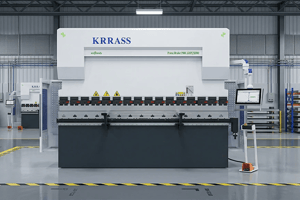
👉 Explore soluções avançadas de curvatura com Prensas dobradeiras CNC KRASS, que muitas vezes complementam as linhas de corte a laser.
7. Considerações sobre custos
Embora as máquinas de laser de fibra exijam um nível mais elevado de energia investimento inicial, eles oferecem melhor ROI devido a:
- Ciclos de corte mais rápidos
- Redução do desperdício de materiais
- Economia de energia
- Vida útil mais longa da máquina
8. Segurança e Impacto Ambiental
O corte a laser de fibra produz menos emissões e é mais seguro em comparação com o corte a plasma, que libera fumos. Isso está de acordo com fabricação verde metas e padrões globais de sustentabilidade (Associação Mundial do Aço).
9. Indústria 4.0 e o Futuro do Corte
Moderno máquinas de corte a laser de fibra Integram-se com sistemas de automação, IoT e monitoramento baseado em IA. Formam a espinha dorsal das fábricas inteligentes, onde cada corte é rastreado, otimizado e repetível.
(Referência: Wikipédia sobre corte a laser)
Conclusão
Ao comparar máquinas de corte a laser de fibra, corte de CO2, e corte a plasma, A escolha depende das suas prioridades:
- Escolher máquinas de corte a laser de fibra Para precisão, eficiência energética e versatilidade.
- Continue com corte a plasma para estruturas de aço espessas e de baixo custo.
- Opte por corte de CO2 Se você precisar processar materiais não metálicos juntamente com metais.
Para a maioria das fábricas modernas, o laser de fibra é o melhor investimento a longo prazo, oferecendo Desempenho incomparável na fabricação de chapas metálicas.
👉 Saiba mais sobre Soluções inovadoras da KRRASS
👉 Veja nossa gama de produtos prensas dobradeiras
👉 Tem alguma dúvida? Entre em contato com nossos especialistas.
Ao adotar a tecnologia de laser de fibra, os fabricantes não apenas melhoram a produção, mas também preparam suas operações para o futuro em um mercado cada vez mais competitivo.