
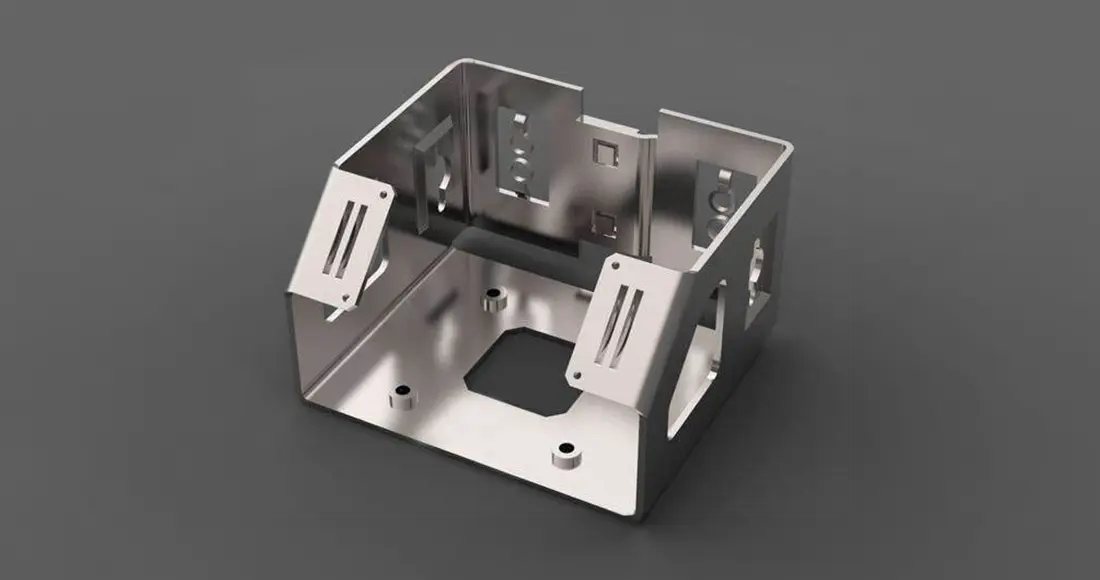
Metal parts manufacturing doesn’t have a one-size-fits-all solution. What works for one metal component may not work for another. To choose the best metal forming process for your components, it’s important to understand the applications of different types of metal manufacturing. Let’s take a look at the pros and cons of the four main metal parts manufacturing processes used today:
- Roll forming
- Press braking
- Estampado
- Extrusion
Each method of metal forming has its own advantages and disadvantages, so selecting the best service for your application depends on several factors, including (but not limited to):
- Order volume
- Forming speed
- Run length
- Secondary operations
- Value-added services
- Surface appearance
- Tolerances
- Part length
- Material thickness & strength
- Shape complexity
Each metal production method mentioned above will perform differently based on these factors.
Pros and Cons of Metal Parts Fabrication Services
Choosing a metal manufacturing company starts with understanding what they can offer. Here are the advantages and disadvantages of the four primary production methods used by metal manufacturers:
1. Roll metal forming process
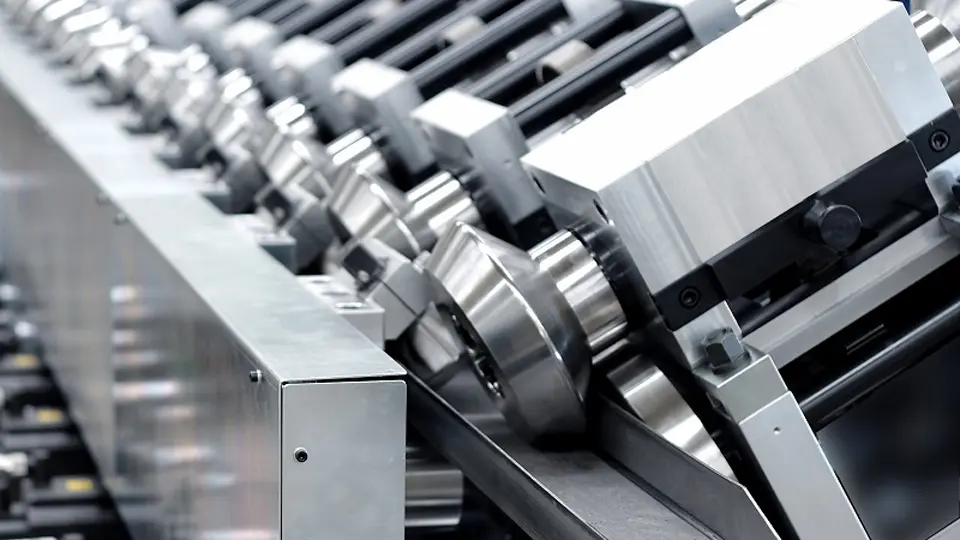
Roll forming involves gradually bending flat sheet metal into a longitudinal, uniform profile by passing it through a series of mated tool dies.
Ventajas:
- Roll forming allows for in-line fabrication, making it suitable for medium to large production runs and high volume orders.
- The process produces tight tolerances and an attractive finish due to its gradual forming sequence.
- It can create complex shapes by adding tooling.
- There are no limits on part length as the material is coiled and fed through.
- Roll forming is cost-effective for high volumes and can handle high-strength steels.
Desventajas:
- Small orders can be more expensive compared to other metal forming services.
- Tooling costs may be higher, but they can be offset by labor cost savings in the long run.
- An experienced operator is required to set up the roll forming line.
- Roll forming can produce end flare, but it can be controlled through different approaches based on part geometry.
Roll forming is ideal for projects that require medium to high volumes, tight tolerances, and an attractive appearance.
2. Press Braking Services
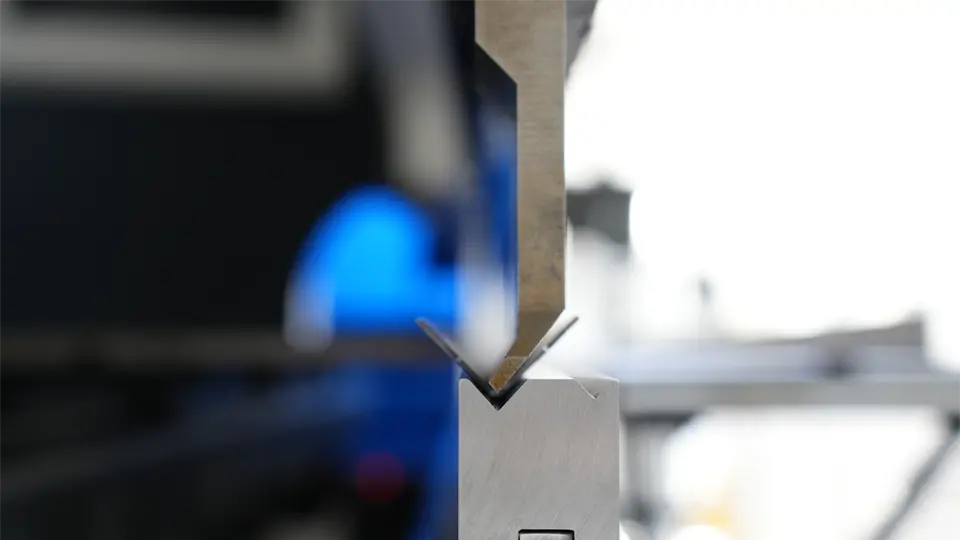
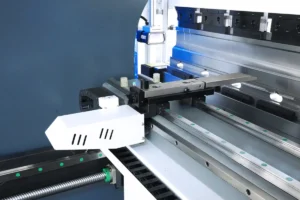
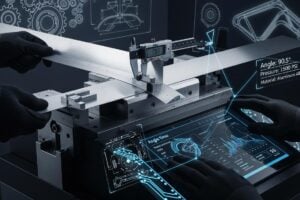
Press braking involves bending metal, typically sheet metal, to a predetermined angle by pinching it between a punch and a die. Press braking is efficient and cost-effective for small volumes and shorter part lengths.
Ventajas:
- Setting up a brake press is easier compared to other metal forming services.
- Brake press tooling is often less expensive than roll forming or stamping.
Desventajas:
- Larger orders can become expensive due to labor-intensive operations.
- Brake presses are limited in handling longer parts due to their smaller sizes and designs.
- Providing value-added features during the forming process can be challenging.
- Multiple close bends, angles, radii, and hems are difficult to achieve with press braking.
- Brake presses require operators, and their strokes are slow and sequential, increasing costs for large orders.
- Press braking may leave scratches and tool marks on the metal.
- Tolerances may not be as tight or consistent as with other forming styles.
Press braking is suitable for projects that don’t require tight tolerances, initial aesthetics, or large order volumes.
3. Metal Stamping Services
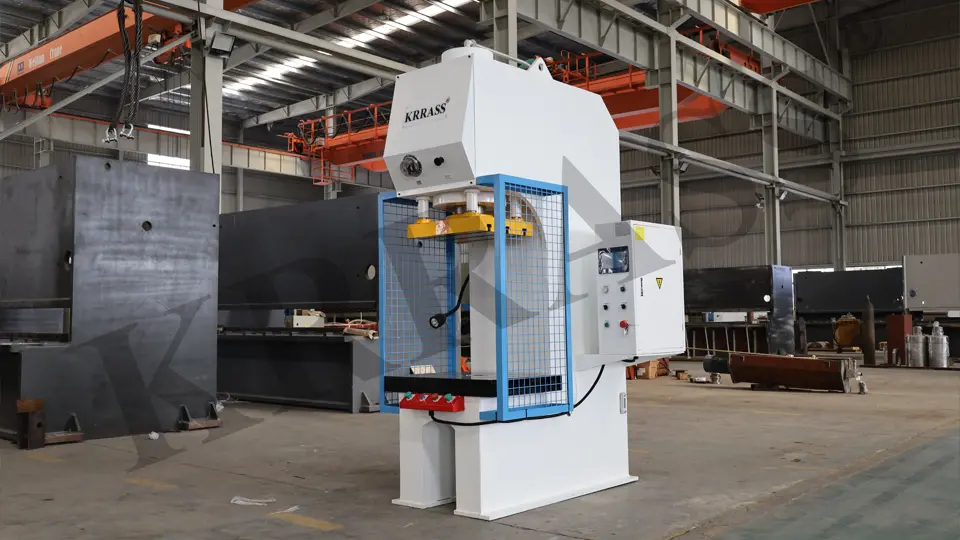
Estampado involves using a stamping press to apply pressure on a flat sheet or coil of metal, forming it into a new shape or cutting out a piece.
Ventajas:
- Estampado is an easy and affordable solution with short cycle times.
- It can produce complex and fabricated parts without the need for skilled operators.
Desventajas:
- Stamping is limited in producing long parts and may leave tool marks and scratches.
- Different lengths for the same profile require different stamping dies, increasing tooling costs.
- Forming long parts may require connecting multiple pieces.
- Changing stamping patterns is challenging.
- Tooling for longer parts becomes more expensive than for shorter parts in the long term.
The cost-effectiveness of metal stamping depends on the specific project requirements, such as part length, size consistency, and initial aesthetics.
4. Extrusion metal forming process
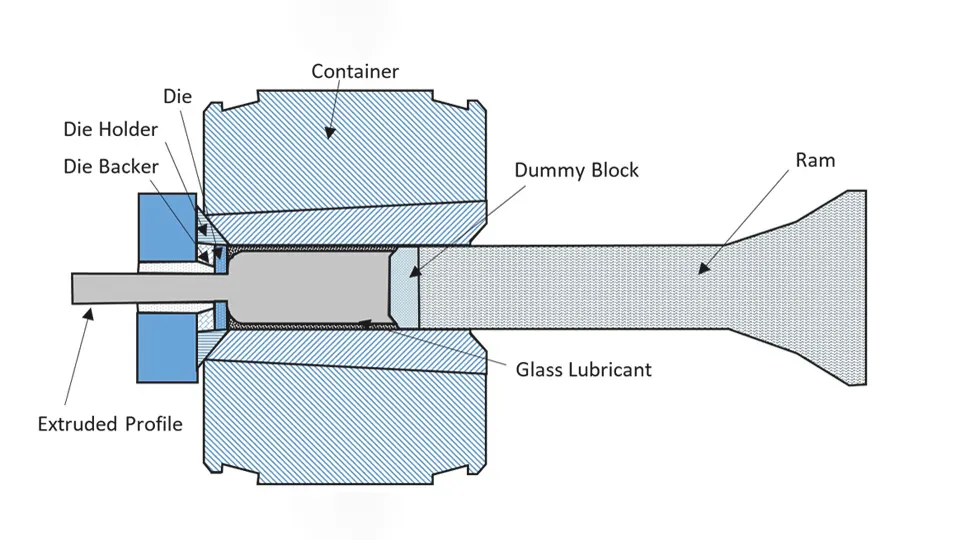
Extrusion is a metal forming process that forces metal through a die to achieve the desired cross-section. It’s similar to squeezing Play-Doh or using a pasta machine.
Ventajas:
- Extrusion offers very tight tolerances due to the consistency of the die.
- It allows for multiple cross-sections, wall thickness control, and low tooling costs.
Desventajas:
- Extrusion doesn’t allow for value-added activities during the process, requiring secondary operations for additional features.
- An artificial aging process is necessary after extrusion.
- Forming thin parts through extrusion can be challenging.
- The equipment and tooling investment for extrusion is substantial, limiting its use to specialty companies with high order volumes.
Extrusion works best for projects involving thick-walled aluminum, non-steel, and non-fabricated parts that require tight tolerances or multiple cross-sections.
Choosing Between Press Braking and Other Metal Forming
It’s crucial to recognize that each metal production method has distinct advantages and disadvantages. Your project’s nature and goals will heavily influence your choice:
- Roll forming is suitable for medium to high volumes, tight tolerances, and an appealing appearance.
- Press braking is appropriate for small orders that don’t require tight tolerances or aesthetic appeal.
- Estampado is a viable option for short parts with consistent sizes where aesthetics are not a priority.
- Extrusion is a specialized solution for thick-walled aluminum parts with tight tolerances or multiple cross-sections.
If press braking aligns with your requirements, it’s important to choose the right service provider to ensure successful manufacturing.
KRRASS: la mejor opción para
Todos los fabricantes de procesamiento de chapa metálica
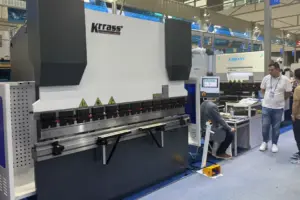
Al considerar los costos generales de compra, mantenimiento y operación de equipos de chapa metálica, un servicio de fabricación de chapa metálica de la marca KRRASS es su mejor opción. KRRASS goza de una excelente reputación en el mercado gracias a su enfoque en la consistencia y la calidad al precio más competitivo. Ya sea prensa plegadora Ya sea para su equipo de aplicación o para cualquier otro, nuestro equipo de expertos cuenta con la combinación perfecta de conocimiento del sector y las herramientas más modernas para ofrecerle los mejores productos y servicios del mercado. Además, nos distinguimos por nuestro avanzado sistema completamente en línea. Simplemente indíquenos qué necesita su producto, solicite un presupuesto y comience el proceso.
Haz una solicitud y comienza hoy mismo
Obtenga una cotización instantánea
Conozca más sobre nuestros productos, visite y suscríbase a nuestro Canal de Youtube

 English
 Portuguese
 Spanish