
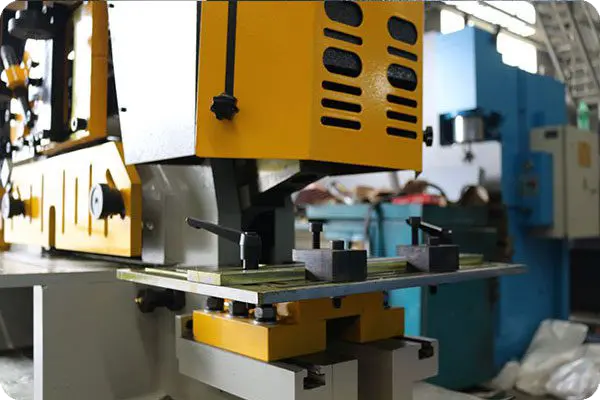
If you’ve set foot in a fabrication shop or are involved in the manufacturing sector, you’ve likely encountered an آلة تشكيل الحديد. But what exactly is it? Let’s delve deep and explore what an Ironworker Machine is and what makes it an indispensable part of today’s industrial landscape.
- What is an Ironworker Machine?
- What Is an Ironworker Used For?
- Types of Ironworker Machines
- How Does an Ironworker Work?
- What Are the Components of Ironworker
- How to Determine the Capability of the Ironworker?
- How to Choose an Right Ironworker Manufacturer
1.What is an Ironworker Machine?
In essence, an آلة تشكيل الحديد is a multipurpose machine primarily used for cutting, shearing, and punching materials such as iron, steel, and other metals. Think of it as the Swiss Army knife of the manufacturing world. Would you attempt a hiking trip without a versatile tool in hand? Unlikely. Similarly, tackling a metal fabrication project without an Ironworker Machine is far from ideal.
Originating in the late 19th century, these machines have come a long way. Today’s Ironworker Machines are automated, computer-controlled, and designed for efficiency and precision. They are the go-to tool for a myriad of tasks—from simple shearing operations to complex custom fabrication. The device can make quick work of various activities, be it cutting rods, forming metal, or hole punching, thereby increasing productivity and reducing labor costs.
So, why is this machine considered a staple in modern manufacturing setups? The answer lies in its versatility. Imagine you’re cooking a grand feast. Would you rather have separate gadgets for chopping, blending, and grinding or one single appliance capable of doing it all? Naturally, you’d choose the latter for its convenience and efficiency. Similarly, an Ironworker Machine can accomplish multiple tasks, saving both time and space on your factory floor.
We, as a leading ironworker manufacturer, recognize the significance of having a robust and versatile Ironworker Machine in your arsenal. It’s not just a machine; it’s an investment in efficiency, quality, and overall productivity.
2.What Is an Ironworker Used For?
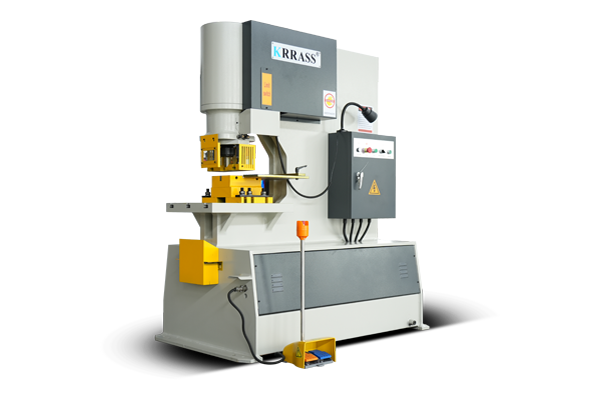
The versatility of an Ironworker Machine extends far beyond its basic definition. While its primary tasks involve cutting, punching, and bending, this powerhouse of a machine offers a range of secondary functions as well. In this section, we’ll break down the varied uses that make this tool a must-have in any serious fabrication or manufacturing setup.
2.1 Primary Functions
Cutting
Cutting is arguably the most basic yet crucial operation carried out by an Ironworker Machine. It can seamlessly slice through metal plates, rods, and bars, providing clean and precise cuts. This feature is especially useful in construction and assembly lines where accuracy is paramount.
لكمة
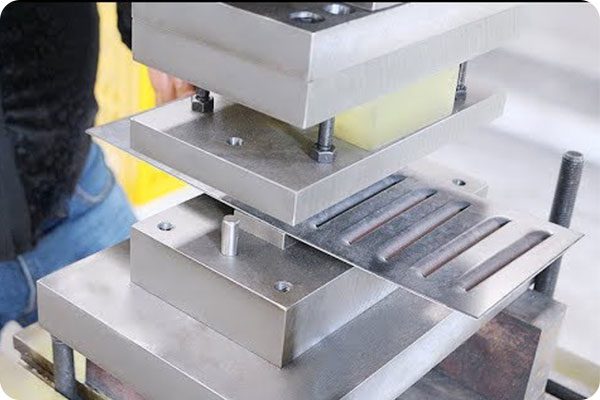
Punching holes in metal sheets or profiles? An Ironworker Machine makes this task a breeze. The punching feature allows you to create holes of various shapes and sizes with utmost precision. It replaces the need for drilling, thereby saving time and effort.
الانحناء
The bending function adds another layer of functionality. Whether you are looking to bend metal sheets or form specific angles on iron bars, this machine has got you covered. It eliminates the need for separate bending or folding equipment, thereby optimizing the workspace.
2.2 Secondary Functions
Tube Notching
While not a primary function, tube notching is often essential in fabrication tasks. This feature enables the Ironworker Machine to make semi-circular cuts in the ends of tubes, facilitating easier welding and assembly.
Pipe Notching
Similar to tube notching, pipe notching allows for the seamless joining of pipes. This feature comes in handy in plumbing, HVAC installations, and other tasks requiring pipe work.
Angle Iron Shearing
Last but not least, angle iron shearing allows for the cutting of angle irons into customized lengths and shapes. It’s an invaluable feature for construction and structural work, providing clean, burr-free cuts.
3.Types of Ironworker Machines
If you’re considering investing in an Ironworker Machine, you’ll soon discover that they’re not a one-size-fits-all solution. Various types are available, each with distinct features and advantages tailored for specific tasks and industries. Let’s take a closer look at these categories.
Hydraulic Ironworkers
Hydraulic Ironworkers are the most common and arguably the most versatile. They utilize hydraulic pressure to perform tasks like cutting, punching, and shearing. Known for their power and efficiency, these machines are the workhorses of many manufacturing environments. They are especially useful in tasks that require considerable force and precision.
Mechanical Ironworkers
Mechanical Ironworkers operate through a mechanical flywheel system. While generally less powerful than their hydraulic counterparts, they excel in tasks requiring speed and repetitive action. These machines are a go-to for operations like bar cropping or high-speed shearing.
CNC Ironworkers
CNC Ironworkers are the new kids on the block, combining traditional ironworker functions with advanced computer numerical control (CNC) capabilities. These high-tech machines allow for unparalleled precision and can be easily programmed for complex tasks. They are particularly useful for intricate projects that require exact measurements and customization.
4.How Does an Ironworker Work?
Understanding the mechanics of an Ironworker Machine can help you make the most of its versatile capabilities. Let’s peel back the curtain and take a look at what makes this machine tick. The operations may differ slightly based on the types of Ironworker Machines — be it Hydraulic, Mechanical, or CNC — but the core principles largely remain the same.
The Basic Anatomy
An Ironworker Machine consists of a heavy-duty steel frame that houses various tool stations. These stations could be equipped for cutting, punching, shearing, or even bending, based on your needs. The power source — hydraulic, mechanical, or computer-controlled — drives these operations.
The Operational Flow
Firstly, the material to be worked on is fed into the machine. Based on the operation you’ve selected, the machine aligns the material with the respective tool station. When the machine is activated, the tool station performs its operation with precision and force, thereby altering the material as desired.
Safety Mechanisms
Safety is a critical component of an Ironworker Machine’s design. Features like emergency stop buttons, guard rails, and sensor systems ensure that the machine operates within safe parameters, reducing the risk of accidents.
Precision and Customization
Precision is key in all types of Ironworker Machines, but particularly so in CNC variants. Here, pre-programmed tasks can be executed with minimal margin for error, allowing for complex and customized projects to be completed efficiently.
5.What Are the Components of an Ironworker Machine?
The versatility of an Ironworker Machine is largely thanks to its various components, which are engineered to perform a myriad of tasks. Let’s break down these key features and specifications to get a better understanding of what makes these machines indispensable for numerous industries.
Common Features and Specifications
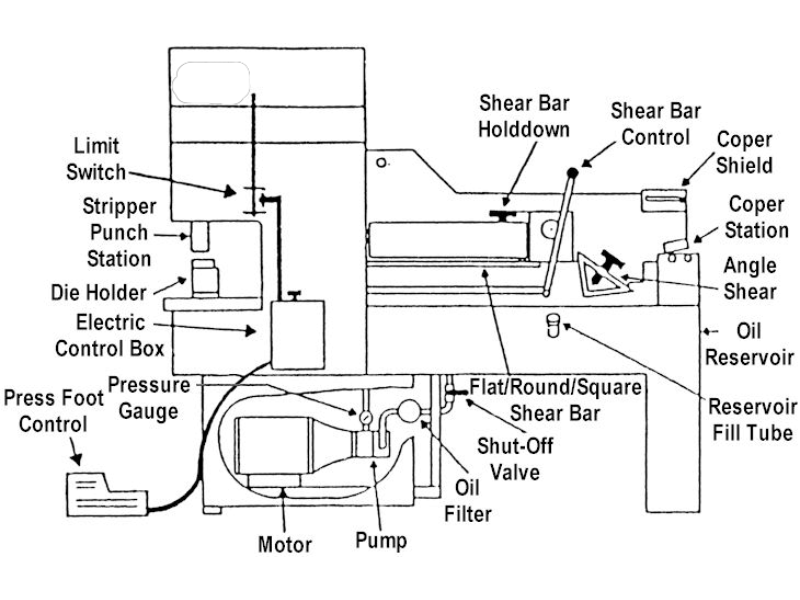
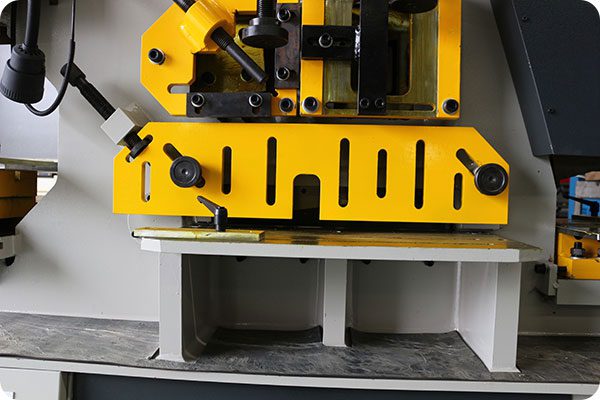
While the types of Ironworker Machines may differ, some common features and specifications are almost always present. These include the machine’s frame, motor, hydraulic system, control panel, and tool stations. Together, these features provide a well-rounded machine capable of tackling a variety of jobs.
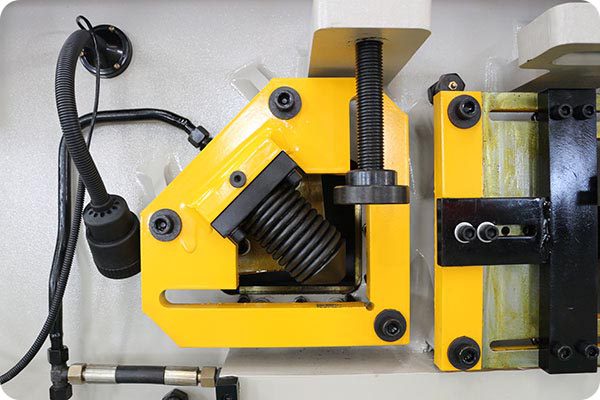
Punching Stations
Arguably the most commonly used component, the punching station is designed for making holes in metal sheets or plates. The punch and die are aligned perfectly to ensure clean and precise holes. Various sizes of punches can be fitted to adapt to your specific needs.
Shearing Stations
Shearing stations handle the cutting tasks, capable of slicing through metal bars, angles, or sheets with ease. The shearing action is typically smooth and quick, reducing waste and ensuring a clean cut. The blade size and type can often be adjusted, depending on the material you’re working with.
Notching Stations
Notching stations are used for creating indentations or “notches” in metal materials. This is essential for jobs that require the metal to be bent or folded at a specific angle. Like the other stations, the notching tools can usually be swapped out to accommodate different types of notches.
6.How to Determine the Capability of an Ironworker Machine?
يتطلب اختيار آلة تشكيل الحديد المناسبة دراسة متعمقة لقدراتها. فالقدرة غير الكافية أو الزائدة قد تؤدي إلى عمليات غير فعالة أو حتى إلى تلف المعدات. إذن، ما هي العوامل التي يجب مراعاتها عند تقييم قدرات آلة تشكيل الحديد؟ دعونا نتعمق في هذا الموضوع.
سمك المادة ونوعها
يؤثر سمك ونوع المادة التي تنوي العمل بها بشكل مباشر على القدرة المطلوبة. تحقق من مواصفات الآلة للتأكد من قدرتها على التعامل مع المادة المعنية. على سبيل المثال، قد لا تكون الآلة القادرة على قص الفولاذ بسمك نصف بوصة مناسبة لقص الألومنيوم بسمك ثلاثة أرباع بوصة.
حجم العمل وعبء العمل
هل ترغب في استخدام الآلة للإنتاج بكميات كبيرة أم لمهام متفرقة؟ ستمنحك سعة الآلة وزمن دوراتها فكرة عن قدرتها على إنجاز العمل. انتبه لهذه الأرقام للتأكد من أن الآلة تلبي متطلبات حجم العمل لديك.
تعدد المهام
إذا كنت بحاجة إلى الآلة لأداء مهام متنوعة - كالثقب والقص والتشكيل والثني - فتأكد من أنها مزودة بمحطات الأدوات والملحقات اللازمة. قد يختلف اختيارك بناءً على ما إذا كنت تحتاج إلى آلة لمهام متخصصة أو لأعمال عامة.
سهولة التشغيل
يمكن لواجهة أو لوحة تحكم سهلة الاستخدام أن تُحدث فرقًا كبيرًا في سرعة التشغيل ومعدلات الخطأ. خاصةً مع ماكينات تشكيل الحديد CNC، تأكد من أن الماكينة توفر واجهة مستخدم سهلة الاستخدام.
ميزات السلامة
لا تغفل عن السلامة عند تقييم قدرات الآلة. تأكد من أنها مزودة بميزات أمان كافية مثل أزرار التوقف الطارئ، وحواجز الأمان، وأنظمة الاستشعار.
7.How to Choose the Right Ironworker Manufacturer?
إن اختيار الشركة المصنعة المناسبة لآلات تشكيل الحديد لا يقتصر على السعر أو الآلة نفسها فحسب، بل هناك اعتبارات عديدة يجب مراعاتها تتجاوز الجوانب المباشرة. دعونا نستكشف ما يجعل الشركة المصنعة الخيار الأمثل لاحتياجاتك.
الجودة والموثوقية
أولاً وقبل كل شيء، قيّم جودة وموثوقية الآلات التي ينتجها المصنّع. فالآلة المتينة عالية الأداء ستوفر عليك المال والجهد على المدى الطويل. ويمكن أن تكون المراجعات والشهادات والتوصيات مصادر قيّمة لتقييم الجودة.
الدعم الفني
هل تُقدّم الشركة المصنّعة دعمًا قويًا لما بعد البيع؟ يُمكن للدعم الفني الموثوق أن يُحدث فرقًا كبيرًا عند مواجهة المشاكل أو الحاجة إلى قطع غيار. تأكد من الاستفسار عن نطاق خدمات الدعم المُتاحة.
اتفاقيات الضمان والخدمة
ادرس اتفاقيات الضمان والصيانة بعناية. عادةً ما يقدم المصنّع الذي يثق بمنتجاته ضمانًا شاملاً. ابحث أيضًا عن أي اتفاقيات صيانة متاحة للصيانة الدورية.
الخبرة في المجال
كم مضى على وجود الشركة المصنعة في هذا المجال؟ غالباً ما ترتبط الخبرة بالكفاءة، لذا فإن الشركة المصنعة ذات السجل الحافل بالإنجازات تُعد خياراً أكثر أماناً بشكل عام. ويمكن لتاريخها في هذا المجال أن يمنحك فكرة عن مصداقيتها وجودة عملها.
خيارات التخصيص
هل يقدمون خدمة التخصيص؟ قد تكون إمكانية تخصيص جهازك أمراً بالغ الأهمية، وذلك بحسب احتياجاتك الخاصة. تحقق مما إذا كان بإمكان الشركة المصنعة تلبية طلبات التخصيص، وما هي تكلفتها.
In summary, choosing the right Ironworker Manufacturer involves a mix of factors such as quality, support, and experience. Your choice will significantly impact the effectiveness and longevity of your Ironworker Machine, so choose wisely.
خاتمة
Selecting the perfect آلة تشكيل الحديد can seem daunting, but armed with the right knowledge, the task becomes significantly easier. Whether you are exploring the types of Ironworker Machines or pondering how to assess their capabilities, the keys to making an informed decision lie in understanding your needs and options. For a trusted name in ironworker manufacturer, consider KRRASS. Learn more about our wide range of top-quality machines at www.krrass.com.

 English
 Arabic
 French
 Portuguese
 Spanish