
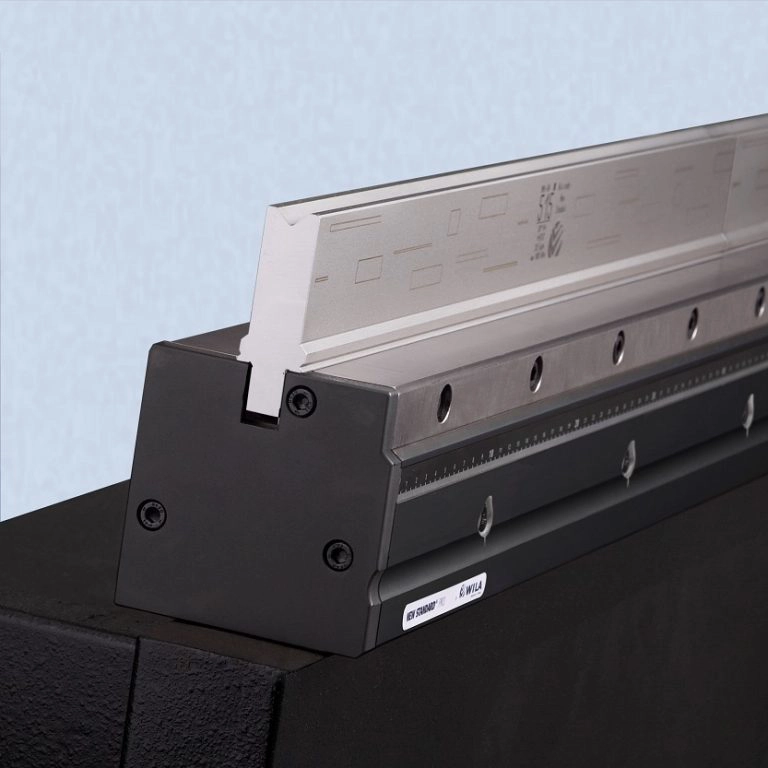
مقدمة
In today’s competitive manufacturing environment, efficiency and profitability are inseparable. With global supply chain challenges and rising energy costs, companies must rethink how they design and produce sheet metal products. Enter the smart fabrication line: an integrated production system that connects CNC machines, robotics, and digital monitoring tools to maximize efficiency and CNC automation ROI.
This article explores how smart fabrication lines transform the journey from design to production, reduce downtime, and significantly increase return on investment (ROI) for manufacturers.
👈 تعرف على المزيد حول KRRASS خبرة الشركة in developing innovative sheet metal fabrication solutions.
1. What Is a Smart Fabrication Line?
A smart fabrication line integrates multiple processes—cutting, bending, welding, and assembly—into one connected ecosystem. Unlike traditional setups, where machines operate in isolation, smart systems share data and adapt in real time.
Key features include:
- CNC automation for cutting and bending
- المناولة الروبوتية for sheet movement
- IoT connectivity for machine monitoring
- AI-powered optimization for process scheduling
👈 استكشف الخيارات المتقدمة حلول قطع الألياف بالليزر that form the backbone of modern fabrication lines.
2. Traditional Production vs. Smart Fabrication Lines
| وجه | Traditional Line | Smart Fabrication Line |
|---|---|---|
| Setup Time | Long, manual adjustments | Automated, rapid changeovers |
| استخدام الطاقة | أعلى | Lower (optimized usage) |
| وقت التوقف | Frequent | Predictive maintenance reduces it |
| Labor Demand | عالي | Reduced through robotics |
| الجدول الزمني لعائد الاستثمار | 3–5 years | 1–2 years (faster ROI) |
(مصدر: McKinsey & Company)
3. CNC Automation ROI: Why It Matters
ROI in manufacturing is not only about cutting costs—it’s about boosting productivity. CNC automation ROI comes from:
- Higher throughput with less manual handling
- Reduced material waste through optimized cutting and bending
- Energy savings with efficient servo systems
- Lower labor costs due to automation
According to رابطة الصلب العالمية, automation-driven factories can improve productivity by 20–30% while reducing material waste by up to 25%.
4. Benefits of Integrated Production
4.1 Faster Time-to-Market
By linking design software with production machines, companies can go from CAD file to finished product seamlessly.
4.2 Flexibility
Smart lines can handle small-batch customization و large-scale production with equal efficiency.
4.3 Real-Time Monitoring
IoT dashboards provide operators with instant feedback, helping them spot inefficiencies.
4.4 Sustainable Fabrication
Optimized energy use aligns with green manufacturing goals.
5. Smart Fabrication in the Automotive and Aerospace Industries
Both the automotive and aerospace industries demand precision sheet metal and fast production. Smart lines offer:
- السيارات: Faster prototyping of lightweight components
- الفضاء الجوي: Ultra-precise cutting for safety-critical parts
- بناء: Sustainable fabrication of building panels and structures
6. Case Study: ROI Boost from Smart Fabrication
A mid-sized fabrication shop implemented an integrated production system in 2024. Within one year:
- 35% faster production cycles
- 20% reduction in material waste
- 25% lower energy bills
- ROI achieved within 18 months
👉 Want similar results? اتصل بـ KRRASS for consultation.
7. Challenges and Solutions in Smart Fabrication
- Challenge 1: High upfront investment
Solution: Faster ROI through efficiency gains. - Challenge 2: Workforce adaptation
Solution: Training programs to upskill operators. - Challenge 3: Machine integration
Solution: Standardized CNC protocols and modular automation.
(Reference: TWI – The Welding Institute)
8. The Future of Smart Fabrication Lines
By 2025 and beyond, expect:
- AI-driven optimization for real-time process adjustments
- Cloud-based monitoring for global factory networks
- Collaborative robots (cobots) to work alongside humans
- Zero-waste fabrication models in eco-friendly industries
These advancements will further enhance the ROI of CNC automation while driving sustainability.
خاتمة
The future of تصنيع الصفائح المعدنية lies in smart, connected, and sustainable production systems. By adopting a smart fabrication line, manufacturers can:
- Reduce downtime
- Improve efficiency
- Maximize ROI
- Stay competitive in global markets
 English
 Arabic
 French
 Portuguese
 Spanish