
Subtractive manufacturing techniques are commonly used for part fabrication in various industries, with قطع الصفائح المعدنية بالليزر being a key method. This precise and accurate process focuses a laser beam on the material surface to burn, vaporize, or melt it, producing the desired outcomes. This guide provides all the essential information you need before incorporating laser cutting into your next manufacturing project.
What’s Sheet Metal Laser Cutting?
قطع الصفائح المعدنية بالليزر is one of the primary industrial manufacturing techniques. As such, sheet metal laser cutting appears to be one of the go-to procedures. Laser cutting fabrication uses a high-power beam of light (laser) to cut out flat and thin sheets of metals. The process is directed by optics and computer numerical control (CNC) technology, which accounts for the high precision of laser cut parts.
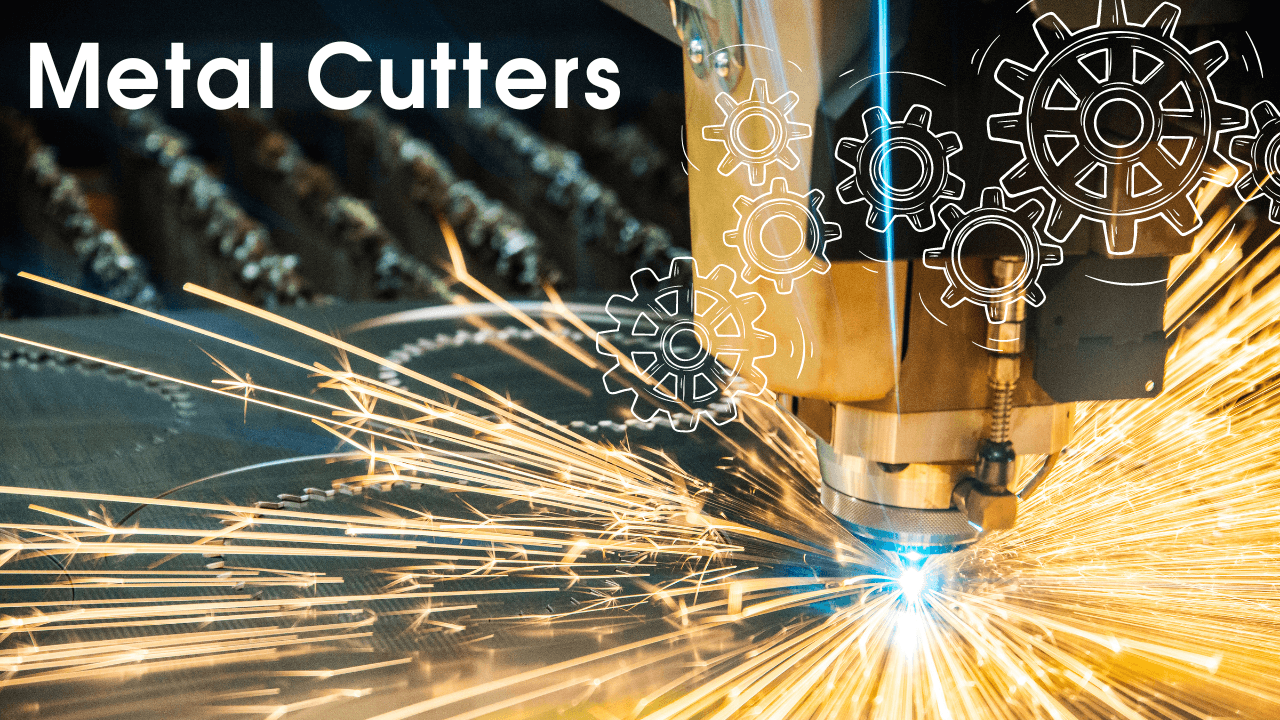
History of Sheet Metal Laser Cutting
توجد تقنية القطع بالليزر منذ أكثر من 60 عامًا، حيث يعود تاريخ أول محاولة لقطع الصفائح المعدنية إلى عام 1960.
بحلول عام 1964، كولورادو2 كانت أشعة الليزر تُستخدم بالفعل في تصنيع التفاصيل الدقيقة مثل لحام نوابض الساعات. وقد ساهمت ميزات الأتمتة والدقة العالية لقطع الليزر، مقارنةً بعمليات القطع الأخرى، في جعلها مقبولة على نطاق واسع في التصنيع الدقيق والإنتاج بكميات كبيرة.
بدأ إنتاج ليزرات الألياف في الستينيات، لكنها لم تدخل السوق التجارية إلا في أواخر الثمانينيات. وتُعتبر التسعينيات العصر الذهبي لتكنولوجيا الليزر، إذ شهدت ظهور العديد من أنواع الليزر عالية الطاقة، مثل ليزرات الحالة الصلبة التي حسّنت الكفاءة والإنتاجية بشكل كبير. وبحلول أوائل الألفية الثانية، أصبحت خدمات القطع بالليزر تقنية تصنيع شائعة الاستخدام في العديد من الصناعات، مثل صناعات السيارات والطيران.
أنواع الليزر المستخدمة في قطع الصفائح المعدنية
توجد ثلاثة أنواع مختلفة من أجهزة الليزر المستخدمة في قطع المواد في الصناعات التحويلية. يتميز كل جهاز ليزر بخصائص فريدة تميزه عن غيره. فيما يلي ملخص شامل لأنواع أجهزة الليزر الثلاثة.
ليزر الألياف
Fiber laser cutting machines are some of the most potent precision cutting devices. They belong to the solid-state lasers using seed lasers to amplify the beam with special glass fibers. They are effective for cutting pieces of metals, alloys, and non-metals like glass, plastics, and even wood. Other than simple cutting operations, they are suitable for metal engraving and annealing.
Fiber laser kerfs are more extensive than others; this may account for their high power. They possess a long service life of not less than 25,000 hours and thus require less maintenance. They produce some of the strongest and most stable beams. However, they are best suited for materials with less than 20 mm thickness.
CO2 Lasers
CO2 lasers produce the beam of light by running electricity through a tube filled with a mixture of gases. The gas mixture contains mainly carbon dioxide and inert gases – helium and nitrogen, the commonest forms for lasers.
However, they are less potent compared to fiber lasers. CO2 laser machines can only cut non-metals like wood, acrylic, and plastics. In some cases, they may also function for sheet metal laser cutting, especially thin sheets of aluminum and some other non-ferrous metals.
كريستال ليزرز
تتوفر قواطع الليزر البلورية بنوعين: بلورات Nd:YAG (غارنيت الألومنيوم الإيتريوم المطعّم بالنيوديميوم) وبلورات Me:YVO (أورثوفانادات الإيتريوم المطعّم بالنيوديميوم، YVO4). وكلاهما يتميز بقدرة قطع فائقة. مع ذلك، فهما باهظا الثمن نسبيًا، ويبلغ عمرهما الافتراضي نصف عمر ليزر الألياف تقريبًا، أي ما بين 8000 و15000 ساعة. وهما مناسبان لقطع المعادن المطلية وغير المطلية، والمواد غير المعدنية، والبلاستيك، وحتى السيراميك في ظروف محددة.
Three Sheet Metal Laser Cutting Processes
Laser cutting sheet metal is the thermal process that involves using a laser beam to cut out pieces off a metal sheet. Primarily, there are three methods of cutting sheet metal.
قطع الانصهار بشعاع الليزر
تستخدم عملية القطع بالصهر غازًا خاملًا، غالبًا النيتروجين أو الأرجون، لدفع المادة المنصهرة من شعلة القطع. وبفضل استخدام الغاز الخامل، يُمنع تأكسد حافة القطع دون أن يتفاعل مع عملية القطع. تُناسب هذه العملية الصفائح المسطحة والرقيقة، والحالات التي تتطلب فيها المادة معايير جمالية عالية ومتطلبات معالجة لاحقة أقل.
قطع اللهب بشعاع الليزر
Flame cutting uses oxygen gas to expel the molten material. It causes an exothermic reaction which accounts for an increase in the overall energy input of the process. The process is ideal for cutting mild steel, among other types of sheet metals and fusible materials like ceramics.
القطع بالتسامي باستخدام شعاع الليزر
تستخدم تقنية القطع بالتسامي الليزر لتبخير أجزاء من المادة مع تقليل الانصهار. وكما هو الحال في القطع بالصهر، تُستخدم غازات خاملة - مثل النيتروجين أو الهيليوم أو الأرجون - كغاز للقطع، مما يضمن خلو حواف القطع من المؤكسدات. ورغم بطء هذه التقنية، إلا أنها تُنتج حوافًا عالية الجودة لقطع دقيق للغاية.
Advantages of قطع الصفائح المعدنية بالليزر
فيما يلي خمس مزايا أساسية لهذه التقنية التصنيعية.
قطع عالية الدقة
يُستخدم شعاع الليزر في قطع المعادن بدقة متناهية في عمليات التصنيع بالقطع الليزري. وتُعدّ دقة الليزر في صهر وتبخير المواد لا تُضاهى بالعديد من طرق القطع الأخرى. فبينما تتراوح مستويات التفاوت في بعض أدوات القطع بالقوالب بين 1 و3 ملم، تصل دقة القطع بالليزر إلى 0.003 ملم.
الاستخدام العالي للورق
تتيح قواطع الليزر إمكانية استخدام نسبة كبيرة من مواد التصنيع. هذه التقنية لا تترك مجالاً للهدر، إذ تعمل الآلة على زيادة عدد الأجزاء القابلة للاستخدام من أي صفيحة معدنية. لذلك، لا داعي للقلق بشأن توفير مواد زائدة؛ يمكنك شراء الكمية المطلوبة بالضبط مع ضمان كفايتها.
تعدد استخدامات القطع الفائقة
تتميز عمليات القطع بالليزر بمرونة وتعدد استخدامات عالية. إذ يُمكن لجهاز القطع بالليزر الواحد أداء عمليات قطع متنوعة، من القطع البسيطة إلى القطع المعقدة ذات التفاصيل الدقيقة، مروراً بالعلامات والحفر وحتى النقش. ولذلك، لا يحتاج المصنّعون إلى استبدال الأدوات بشكل دوري أثناء عملية الإنتاج.
استهلاك منخفض للطاقة
لا تتطلب قواطع الليزر تحريك أجزاء مختلفة من الجهاز، على عكس بعض آلات القطع الأخرى. وهذا يسمح لها بقطع قطع المواد بكفاءة عالية دون استهلاك الكثير من الطاقة. فبينما يمكن لقواطع الليزر العمل بطاقة تصل إلى 10 كيلوواط، قد تستهلك معظم العمليات الأخرى ما يصل إلى خمسة أضعاف هذه الطاقة.
ضرر طفيف أو معدوم
قد تظن أن تعرض المواد للحرارة أثناء القطع بالليزر قد يُسبب اعوجاجًا أو تشوهًا في الأجزاء، أو حتى تلفًا كاملًا. هذا غير صحيح. فالأجزاء المتأثرة بالحرارة في القطع بالليزر ضئيلة للغاية، ولا تُشكل أي تهديد لدقة أبعاد المكونات أو خصائصها بعد التصنيع.
Disadvantages of Sheet Metal Laser Cutting
Despite its numerous benefits, laser cutting sheet metal has a few shortcomings. Let’s discuss them.
الحاجة إلى مشغل متخصص
To best utilize your laser cutters, you might need to employ a professional to operate the machine for part’s fabrication. An expert, for example, will quickly detect a fault or an improper setup that may affect the production processes or even the machine’s integrity.
القيود المفروضة على سمك المعدن
على الرغم من أن القطع بالليزر يُجدي نفعاً مع مجموعة واسعة من المواد، بما في ذلك الصفائح المعدنية، يُنصح باستخدام طرق قطع أخرى عند التعامل مع المعادن السميكة. تُعدّ قواطع الليزر التقليدية مثالية لقطع صفائح الألومنيوم بسماكة قصوى تبلغ 15 مم والفولاذ بسماكة 6 مم.
الغازات الضارة
عندما تقوم آلات القطع بالليزر بصهر المواد وتبخيرها، فإنها تُطلق كميات كبيرة من الأبخرة الضارة عند قطع البلاستيك. لذا، من الضروري تشغيل آلات القطع بالليزر في غرفة جيدة التهوية أو بيئة عمل آمنة.
استثمار أولي مرتفع
تُعدّ تكلفة قاطع الليزر عالي الجودة مرتفعة. قد يصل سعر قاطع الليزر النموذجي إلى حوالي 1000 دولار، أي ضعف تكلفة قواطع النفث المائي أو البلازما. لذا، يتطلب العمل في مجال خدمات قطع الليزر استثمارًا أوليًا كبيرًا.
Power Tools for Metal Cutting
When efficiency and power are needed, electric and pneumatic tools come into play. These tools can handle larger projects and tougher materials with ease.
Angle Grinders
Angle grinders are versatile tools that can cut, grind, and polish various metals. With the right attachment, they’re capable of cutting through rebar, fencing, and even steel plates.
Angle grinders are available in various sizes, including portable cordless models ideal for outdoor projects.
When using an angle grinder for cutting, always use a metal cutoff wheel and let the tool’s weight do most of the work. Avoid applying extra pressure, which can cause the wheel to bind or break.
Circular Saws
While circular saws are traditionally used for woodworking, they can also be used for metal-cutting tasks with the right blade. They’re particularly useful for cutting sheet metal, roofing, and corrugated metal. Here’s how to use a circular saw for metal cutting:
- Install a metal-cutting blade with the appropriate tooth count for your material.
- Mark your cutting line clearly.
- Secure the metal to prevent vibration and ensure a straight cut.
- Cut slowly and steadily, allowing the blade to do the work without forcing it.
Circular saws are excellent for making long, straight cuts in metal roofing or siding. They can also handle stacked sheets, saving time on repetitive cuts.
Reciprocating Saws
Reciprocating saws, often called sawzalls, are the Swiss Army knives of power tools. They can cut through various materials, including metal pipes, sheets, and profiles. Different blades are available for various metal types and thicknesses, and these saws have enough power to handle thick metal stock that might be challenging for other handheld tools.
When using a reciprocating saw, make sure the material is firmly clamped and use a blade appropriate for the metal’s thickness. Let the saw do the work, applying only moderate pressure to guide it through the cut.
Specialized Metal Cutting Equipment
For professional-grade cutting or specialized applications, more advanced tools are often necessary. These tools offer precision, power, and efficiency for larger or more complex metal-cutting tasks.
Plasma Cutters: High-Tech Precision
Plasma cutters use a high-temperature plasma arc to slice through conductive metals with precision. They’re ideal for cutting sheet metal, plate steel, and other conductive materials. Benefits of plasma cutters include the following:
- سرعة: Can cut through thick metal much faster than traditional methods
- دقة: Capable of making intricate cuts with minimal material waste
- التنوع: Can cut a wide range of metal thicknesses and types
While plasma cutters are expensive, they’re a great addition to metalworking shops and for fabricators who frequently work with thick or complex metal pieces.
Oxy-Acetylene Torches: Heavy-Duty Cutting
Oxy-acetylene torches are powerful tools that use a mixture of oxygen and acetylene gas to create a high-temperature flame capable of cutting through thick metal. They’re particularly useful for the following:
- Cutting thick steel plates and structural steel
- Demolition work where precision isn’t critical
- Situations where electrical power isn’t available
Using an oxy-acetylene torch requires skill and practice. If you use this tool, wear appropriate protective gear and have proper ventilation.
Cold Saws: Clean Cuts for Professionals
Cold saws are precision cutting tools that use a circular blade and coolant to make clean, accurate cuts in metal without generating excessive heat. They offer several advantages, including the following:
- دقة: Produce clean cuts with minimal burring
- كفاءة: The coolant system allows for continuous operation without overheating
- طول العمر: Blades last longer due to reduced heat and friction
While more expensive than some other options, cold saws are invaluable for metalworking professionals who regularly complete high-precision cuts.
Choosing the Right Tool for Your Project
When choosing a metal cutting tool, consider these factors:
- Metal type and thickness: Softer metals, like aluminum, require different tools than hardened steel.
- Cut precision: Some projects require clean, precise cuts, while others allow rougher edges.
- Project scale: Large-scale projects may justify investing in more powerful, efficient tools.
- قابلية النقل: Consider whether you need a tool that can be easily moved or used in various locations.
- ميزانية: Balance the cost of the tool against the frequency and importance of your metal-cutting needs.
نصائح تصميمية لقطع الأجزاء بالليزر
For effective and efficient use of the laser cutting services for your parts. You need to adhere to the below sets of tips for your laser cutting product design.
لا يمكن أن تكون تفاصيلك أصغر من سمك المعدن
يُعدّ سُمك المادة عاملاً هاماً يجب مراعاته في عمليات القطع بالليزر، إذ يرتبط ارتباطاً مباشراً بقوة الليزر. وبالتالي، كلما زاد السُمك، قلت قدرة الليزر على اختراق المادة وقطعها. مع ذلك، قد يؤدي رفع قوة الليزر أحياناً إلى زيادة احتمالية قطع هذه المادة.
تذكر الشق
يُبرز تصميم الليزر أهمية ملاحظة ما يُعرف بظاهرة "القطع المتآكل" (Kerf). وهي المادة التي تتبخر عند اصطدام شعاع الليزر بمادة القطع. ولا تقتصر هذه الظاهرة على القطع بالليزر فحسب، بل تُلاحظ أيضاً في عمليات التصنيع الأخرى التي تعتمد على الطرح. ويحدث القطع المتآكل بالليزر نتيجةً لسمك شعاع الليزر، وهو عاملٌ بالغ الأهمية يجب مراعاته أثناء مرحلة التصميم.
اختر المادة المناسبة
The right material is the most important thing to note before a laser cutting operation. Choosing a material depends on the properties you want the end product to have. For example, materials have different properties in terms of rigidity, translucency, and flexibility. At Rapid Direct, you will have access to different sheet metal laser cutting, plastics, paper, etc.
المسافات مهمة
تُعدّ المسافة بين المسارات بالغة الأهمية في القطع بالليزر لتقليل الأخطاء والحصول على أفضل النتائج الممكنة. يجب أن تكون المسافة الدنيا مساوية لسمك المادة. على سبيل المثال، في قطع الصفائح المعدنية بالليزر، إذا كان سمك الصفيحة 2 مم، فإن المسافة بين مسارين ستكون 2 مم. ويُعدّ هذا الأمر بالغ الأهمية أيضًا عند العمل على تصاميم مختلفة للصفائح المعدنية المقطوعة بالليزر.
حوّل نصك إلى نقاط ارتكاز ومنحنيات
لا تتطلب جميع عمليات الليزر قص النصوص. مع ذلك، إذا كنت بحاجة إلى تضمين نص، فيُفضّل ترك مسافات بين الأحرف وكتابتها بحجم كبير. هذا يُسهّل العملية ويضمن أفضل النتائج. أما إذا كانت الأحرف متقاربة، فقد تتداخل، مما يؤدي إلى نقش غير مقروء.
Techniques for Cutting Different Metal Forms
Different metal forms require specific cutting techniques to achieve the best results. Here are some tips for common metal-cutting tasks.
Cutting Sheet Metal
Cutting sheet metal requires precision and the right approach. Take the following steps when cutting sheet metal:
- Mark your cutting line clearly with a permanent marker or scribe.
- For straight cuts, use a straight edge as a guide.
- When using power tools, start the cut at the edge of the sheet and maintain a steady pace.
For intricate cuts, consider using a jigsaw with a metal-cutting blade or a plasma cutter for thicker sheets. Remember to wear gloves to protect your hands from sharp edges, and always support the sheet metal properly to prevent bending or warping during cutting.
Cutting Pipes and Tubes
Cutting pipes and tubes requires a different approach than sheet metal.
- Mark the entire circumference of the pipe before cutting to ensure a straight cut.
- Use a vise or pipe clamp to secure the pipe and prevent vibration during cutting.
- Use a pipe cutter for clean, precise cuts on small-diameter pipes and a reciprocating or band saw for larger pipes.
After cutting, use a deburring tool or file to smooth the cut edge and remove any internal burrs that could restrict flow in plumbing applications.
Cutting Metal Roofing
Cutting metal roofing requires care to avoid damaging the material or creating unsafe edges. Here are the steps you should take when cutting metal roofing:
- Measure and mark your cutting line on the underside of the roofing panel.
- Use tin snips for small cuts or corners and a circular saw with a metal-cutting blade for long, straight cuts.
- Cut with the painted side down to minimize damage to the finish.
- Use steam cleaning to remove any metal shavings or debris after cutting to prevent rust.
Always wear gloves and eye protection when cutting metal roofing, as the edges can be extremely sharp.
Should I Invest in a Laser Cutting Machine or Choose a Service
From simple equipment fabrications to large companies – like the aerospace and automotive industries – laser cutting services are crucial for various manufacturing operations. The technique is an effective and highly efficient procedure suitable for a vast array of materials.
However, the smart choice for small-scale manufacturing companies is to choose a service rather than investing in the machine, as it is an excellent way to save cost yet offer quality to customers. However, if the funds are available, investing in laser cutting machines could be highly profitable because of the numerous advantages that come with the device.
Anyways, the choice is solely dependent on manufacturers. But should you choose to hire a service, contact Krrass – an expert in providing sheet metal laser cutting services.
Your Online Laser Cutting Services for Sheet Metal Parts
Are you looking for a company that guarantees quality laser cutting services? Then, Krrass is just what you need for your fabrication.
We are a trusted company providing sheet metal fabrication services for rapid prototyping and custom production. We guarantee high-quality sheet metal laser cutting services, and we provide cost-effective and on-demand solutions as per your request.
بدائل للقطع بالليزر
ربما لا ترغب في استخدام القطع بالليزر ولست متأكدًا من كيفية قطع الأشكال من الصفائح المعدنية؛ فيما يلي خيارات أخرى عالية الجودة لتلبية احتياجاتك التصنيعية.
موسيقى الرقص الإلكترونية
EDM, Electrical Discharge Machining, like laser cutting, uses thermal energy to remove pieces of material. It uses electrical discharges (sparks) to cut out the desired shape from a material. Compared to laser cutting, EDM produces a better surface finish with a less heat-affected zone. Also, it is suitable for cutting hardened pieces of material.
الطحن باستخدام الحاسوب
تتضمن عملية الطحن باستخدام الحاسوب (CNC) استخدام قواطع دوارة عالية السرعة لتشكيل المواد. وتُعدّ عمليات الطحن فعّالة في المعادن والسبائك واللافلزات. ومثل القطع بالليزر، تُعتبر عملية تصنيع دقيقة للغاية تعتمد على الطرح. ويكمن الفرق الرئيسي بين العمليتين في أن الطحن يستخدم أدوات قطع - قواطع دوارة - لنحت أو تشكيل التصاميم، بينما يستخدم القطع بالليزر أشعة الليزر، أو صهر الليزر، أو حرق شكل التصميم.
القطع بنفث الماء
القطع بنفث الماء هو أسلوب تصنيع يتضمن استخدام الماء أو خليط من الماء والمواد الكاشطة تحت ضغط عالٍ لقطع قطعة من المواد.
Below is a comparison between water jet cutting and laser cutting.
- يمكن لقواطع الليزر نقش الأرقام أو العلامات، بينما يسمح القطع بنفث الماء بالقطع فقط.
- كلاهما مناسب لقطع مجموعة واسعة من المواد. مع ذلك، لا تستطيع قواطع الماء قطع مواد أكثر سمكًا من قواطع الليزر، حتى 50 مم.
- تتميز تقنية القطع بالليزر بمستويات تحمل أفضل وتولي اهتمامًا أكبر بالتفاصيل المعقدة، مما يجعلها الخيار الأفضل للأشكال الهندسية المعقدة.
لكمة
تستخدم عملية التثقيب مكبسًا خاصًا لقطع الشكل المطلوب من قطعة من المادة. وكغيرها من عمليات التصنيع باستخدام الحاسوب (CNC)، تُعدّ عملية التثقيب تقنية عالية الدقة لتصنيع الأجزاء، وهي مناسبة أيضًا لمجموعة واسعة من المواد. مع ذلك، لا تُعدّ عملية التثقيب مثالية لتصنيع المكونات ذات الأشكال الهندسية المعقدة.
خاتمة
Laser cutting is a technology used in rapid prototyping for cutting materials. This article introduced the operation, its history, types, and other things you might know. We believe that you’ve learned one or more things about laser cutting. However, you can trust us at Krrass for the best laser cutting services.
 English
 Arabic
 French
 Portuguese
 Spanish